

 Recently Added:

This article was automatically translated from the original Turkish version.
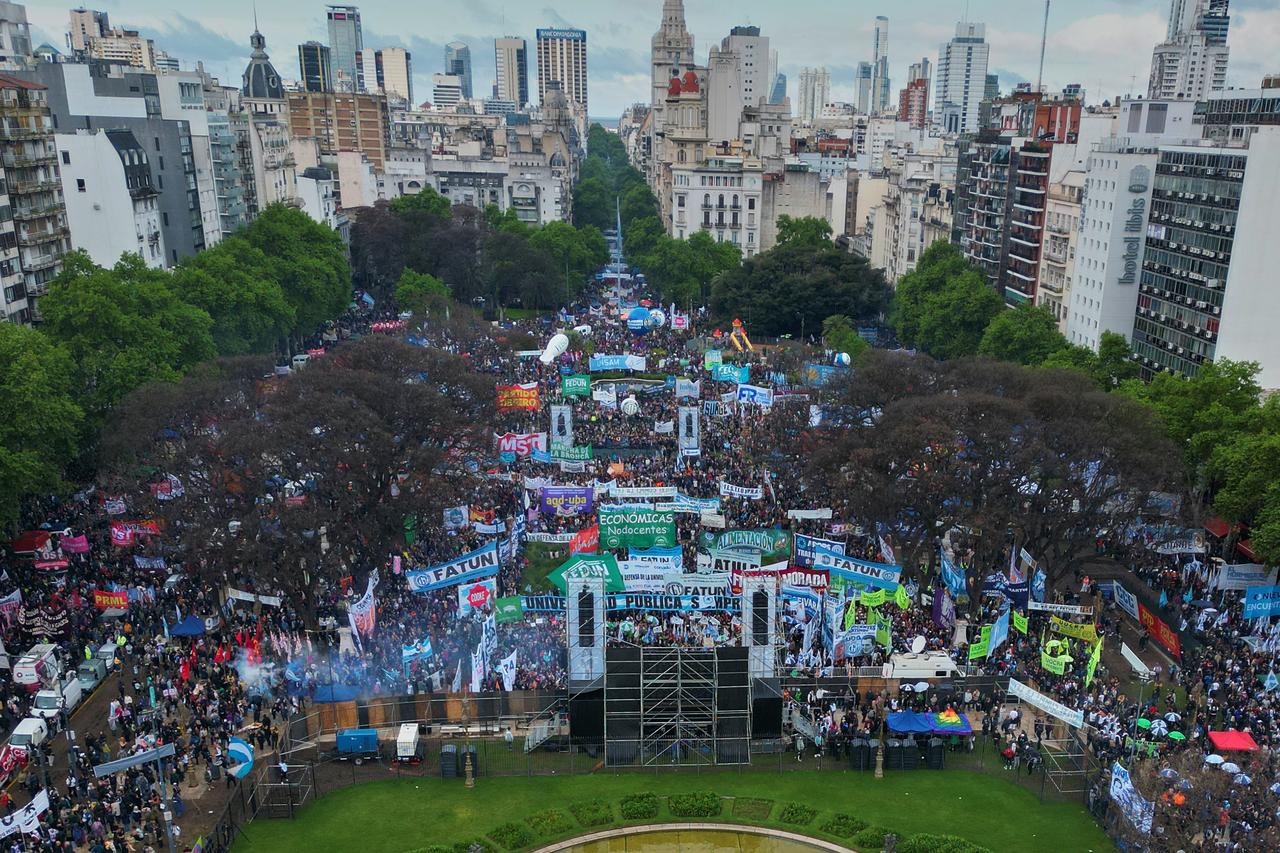
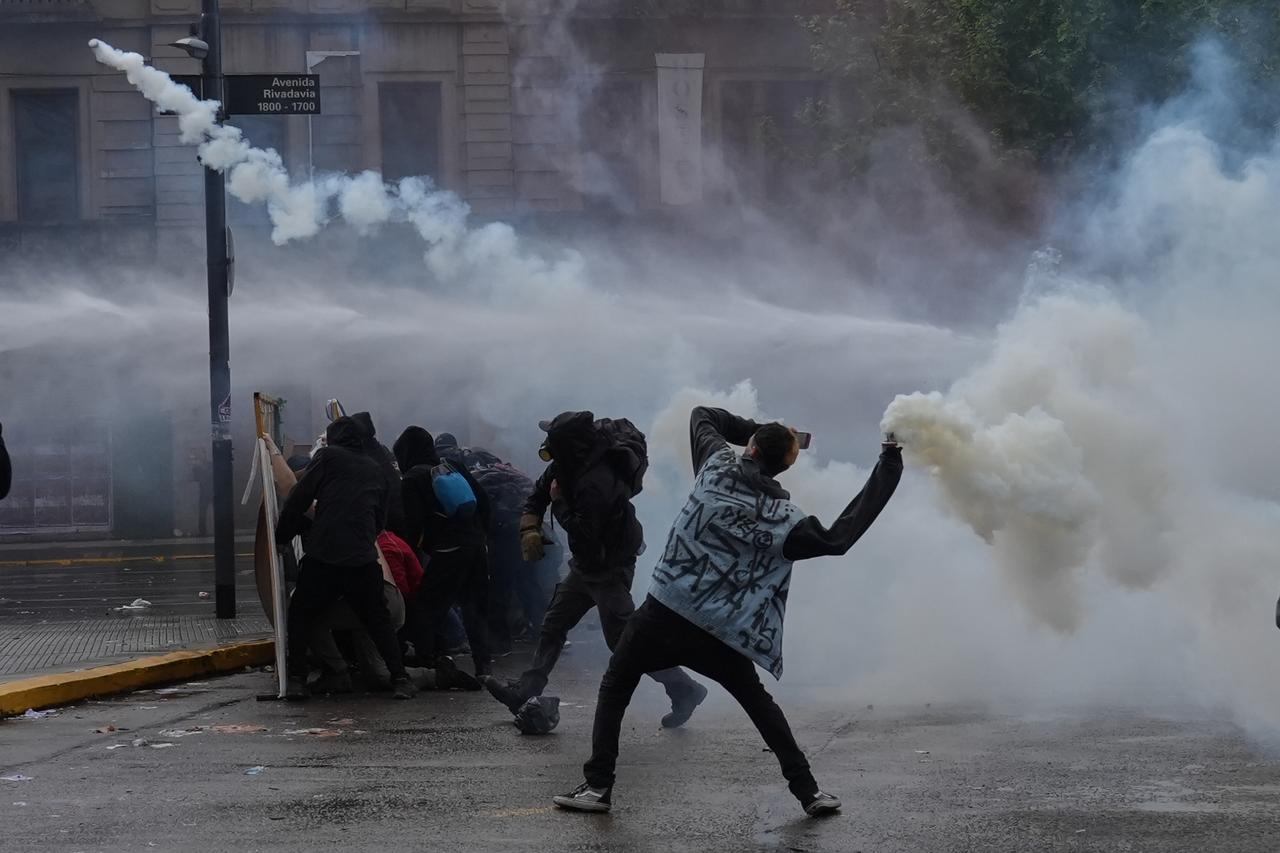
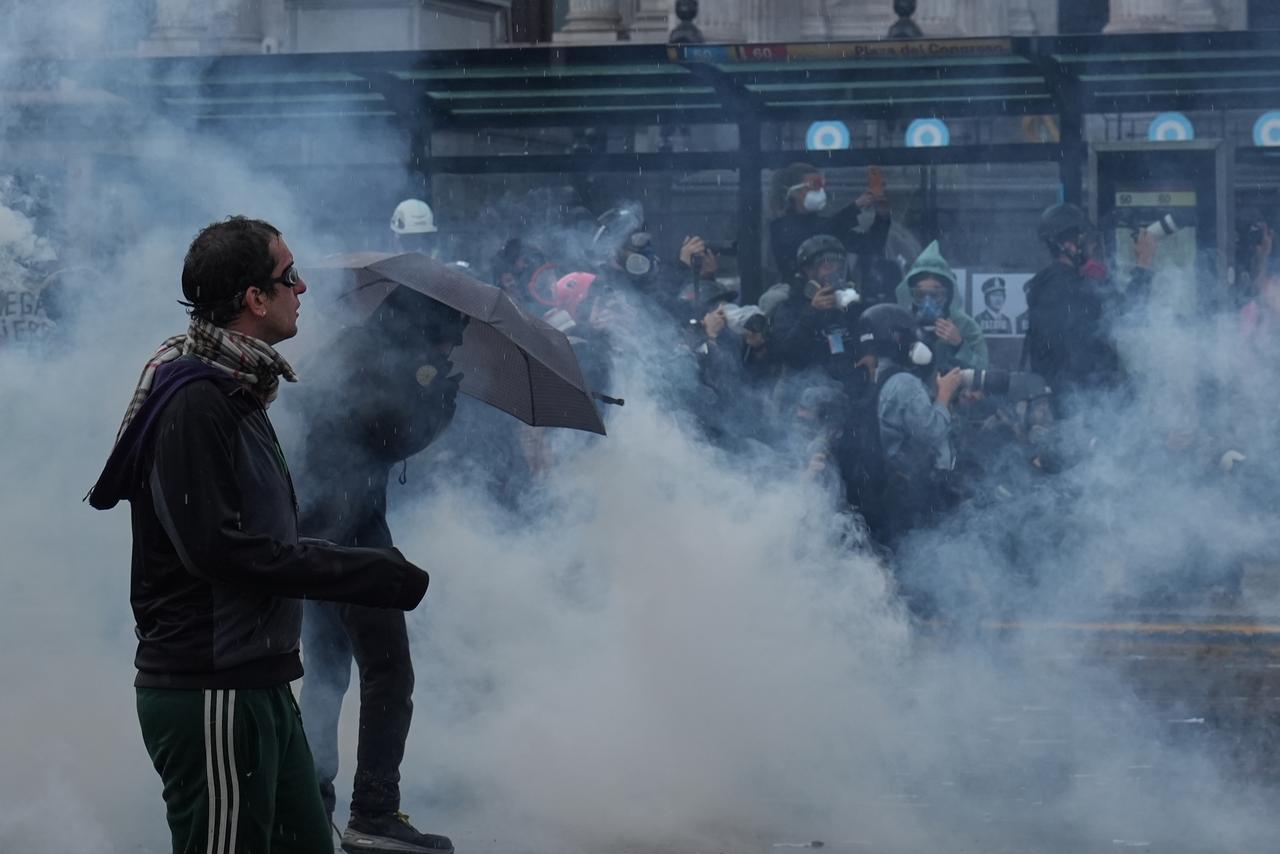
University Budget Protests in Argentina are demonstrations organized in response to cuts in state university funding and the decline in real wages of staff, as part of President Javier Milei’s economic policies aimed at reducing public spending. In October 2026, renewed and expanded protests saw students, faculty members, graduates, university employees, unions, and various social organizations demanding the implementation of the University Funding Law previously approved by Congress. On October 15, clashes occurred between police and some protesters during a mass demonstration around the Congress building in Buenos Aires; security forces used tear gas and water cannons.
Arjantin Öğrenci Protestoları (Ekim, 2026) Anadolu Ajansı
Argentina’s public universities have become one of the main focal points of debate over the spending cuts implemented by the Milei administration since it took office at the end of 2023.
In line with its goals of combating high inflation and achieving a zero budget deficit, the Milei administration has enacted sweeping reductions in public expenditures. Thousands of public employees have been dismissed, several ministries have been closed, subsidies have been cut, and various state-funded programs have been scaled back.
University circles have argued that funding for public higher education institutions and staff salaries have failed to keep pace with inflation. According to data from the National Center for Economic Research at the University of Buenos Aires, public spending on universities declined by 41 percent in real terms during the first half of 2026 compared to the same period in 2023.【1】
One of the central demands of the protests has been university staff salaries. Students and academics have stated that low wages are driving faculty members away from public universities because their incomes no longer cover basic living expenses.
Arjantin Öğrenci Protestoları (Ekim, 2026) Anadolu Ajansı
A key demand of the protests has been the implementation of the University Funding Law, which envisages increased funding for public universities.
The 2025 legislation provided for the adjustment of university staff salaries according to inflation since December 2023, the restoration of student scholarships to their previous levels, and increased financial support for university operations.
The law was vetoed by Milei but later reapproved by Congress. Nevertheless, the government has not implemented it.
Various court rulings, including a June decision by the Supreme Court, have ordered the government to enforce the law. However, on October 13, Presidential Spokesperson Adrian Ravier stated that the law remains “suspended” due to ongoing legal proceedings.
The debate over university funding has also reached the judiciary. A federal court began imposing a daily fine of 100,000 pesos, approximately 70 dollars, on the government for failing to enforce certain provisions of the funding law.
Arjantin Öğrenci Protestoları (Ekim, 2026) Anadolu Ajansı
The legislation envisaged the restoration of salaries and scholarships lost due to inflation, regular budget updates, and funding for research, hospital, and infrastructure activities. The government, however, has argued that Congress did not specify how the University Funding Law should be financed and has challenged the court rulings.
The October 2026 protests were not limited to street demonstrations. In some universities in Buenos Aires, students decided to temporarily occupy campus buildings.
Signs protesting Milei’s spending cuts were hung in central university halls, and students held meetings to organize one-day occupations of university buildings.
Arjantin Öğrenci Protestoları (Ekim, 2026) Anadolu Ajansı
University occupations have been a longstanding protest tactic used by student movements in Argentina, aimed at drawing public attention to the funding crisis in higher education and applying pressure on the government.
The demonstration held in Buenos Aires on October 15, 2026, was organized as the Fifth Federal University March. Thousands of students, graduates, faculty members, and university employees marched toward the Argentine Congress.
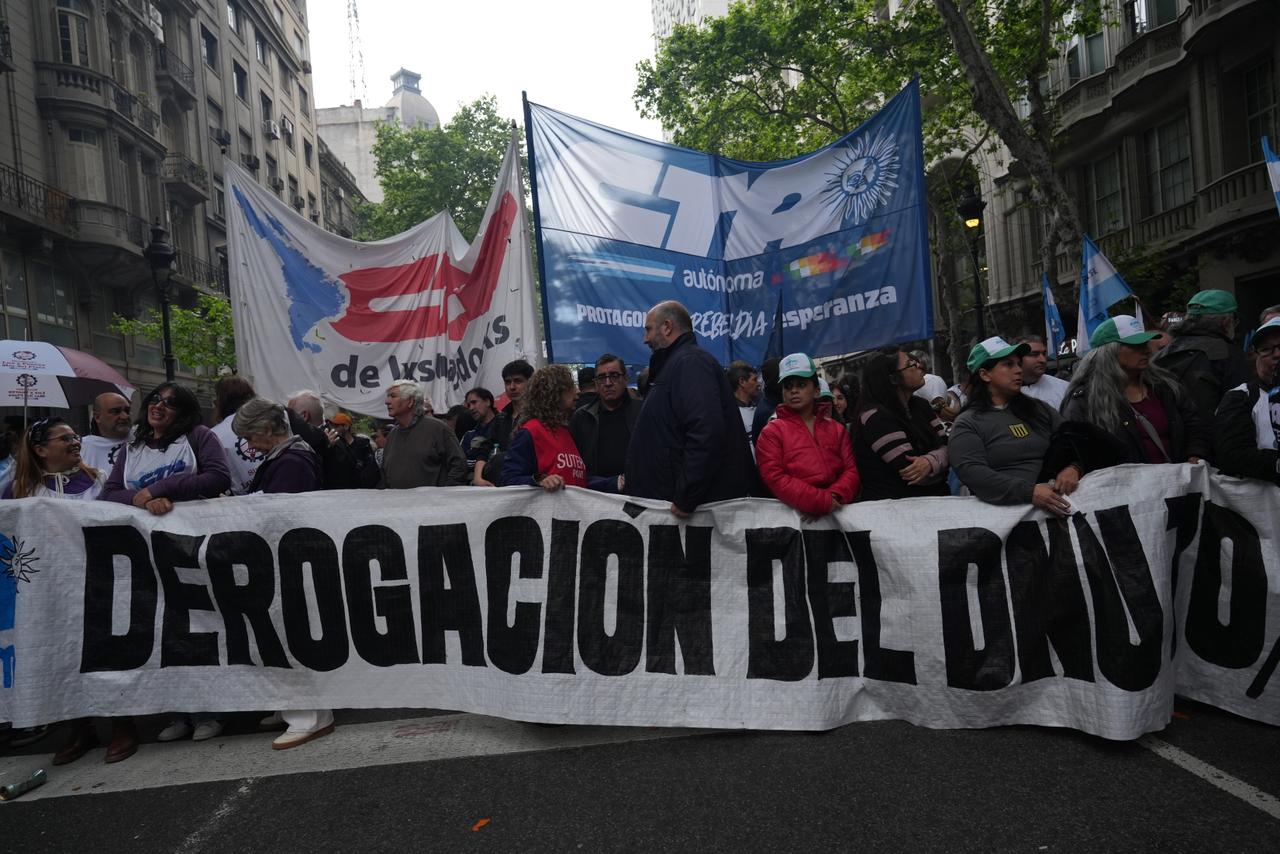
In addition to university communities, unions, political parties, and social organizations also participated in the march. Protesters demanded increased funding for universities, salary adjustments for staff, and the protection of student scholarships.
Arjantin Öğrenci Protestoları (Ekim, 2026) Anadolu Ajansı
Banners carried by demonstrators bore slogans such as “Milei, obey the law” and “Public university is a right, not a privilege”. The actions were not confined to Buenos Aires; on the same day, university communities and social organizations in other cities across the country also held demonstrations demanding better funding for public higher education.
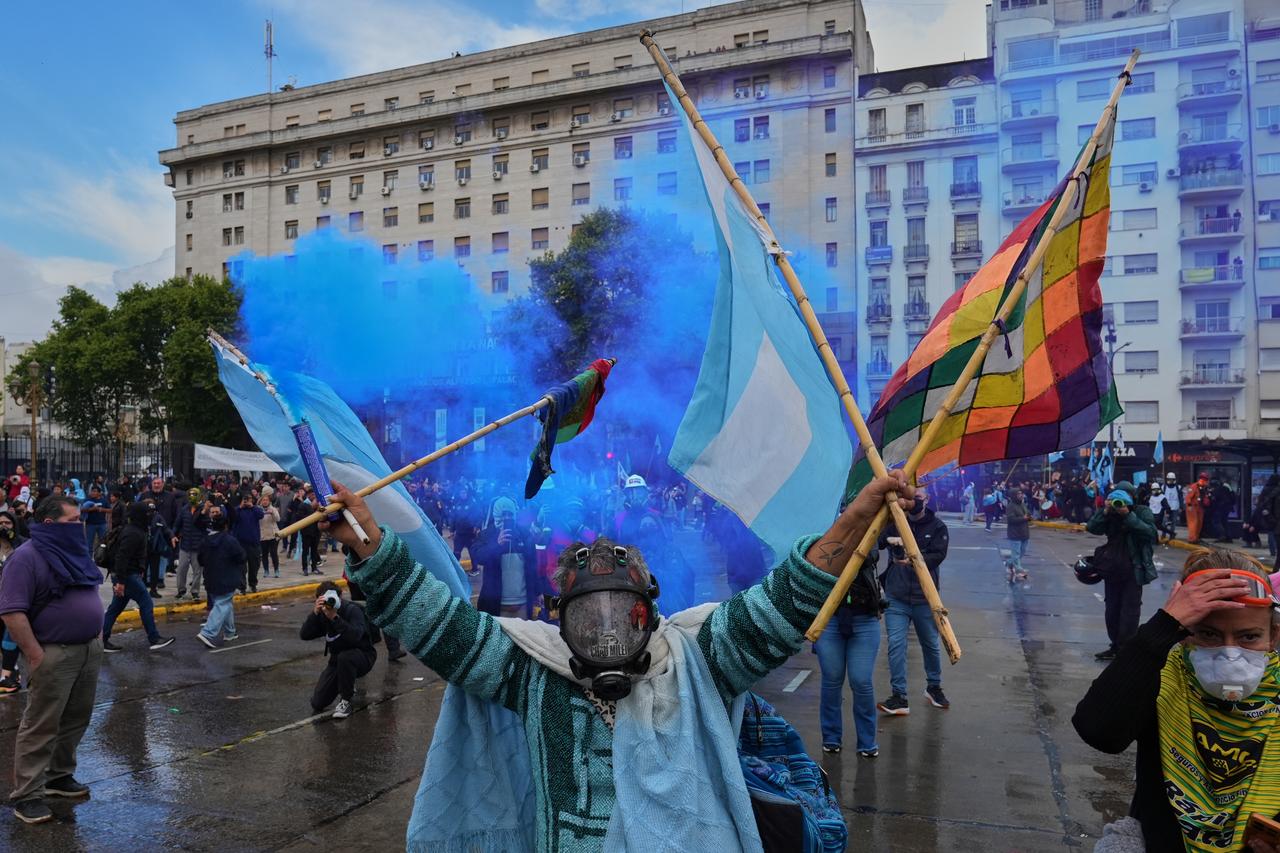
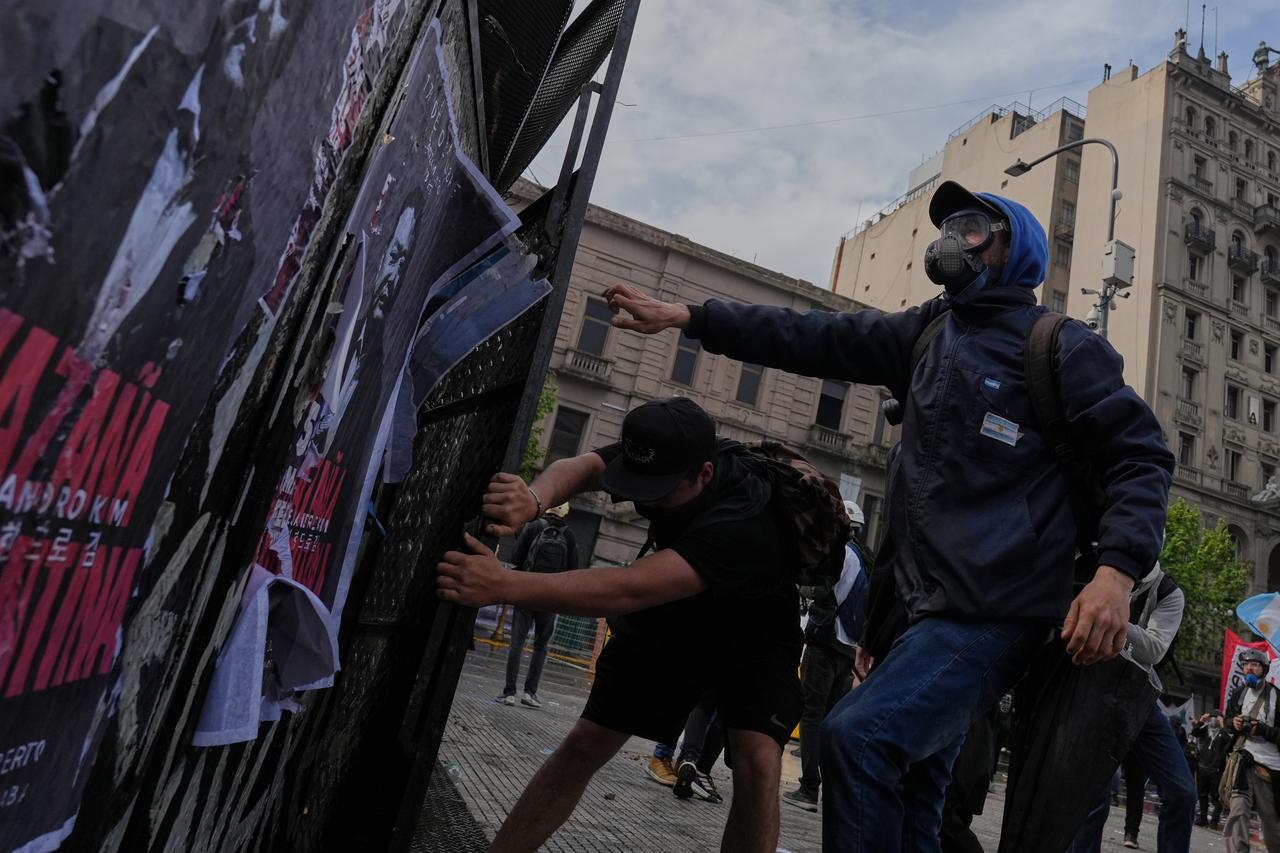
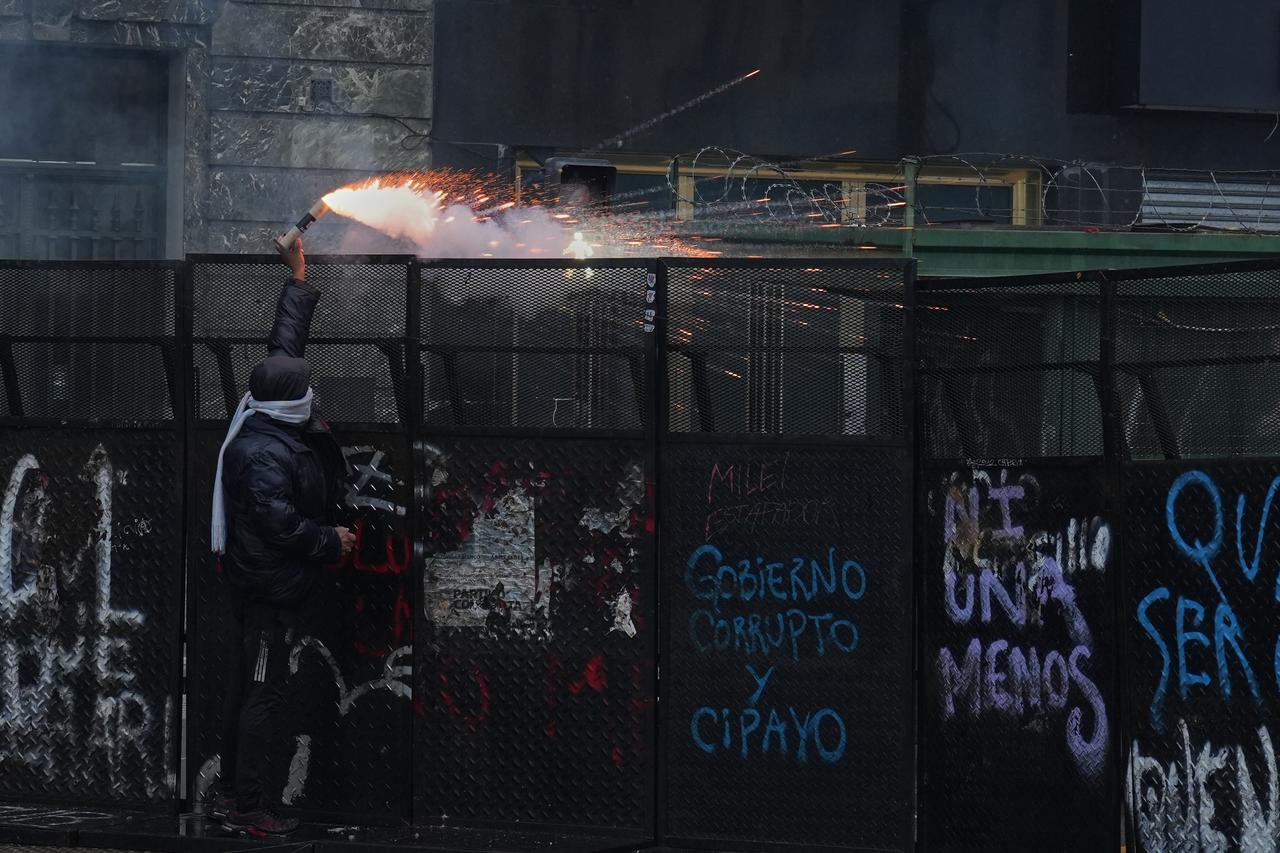
The majority of the main demonstration in Buenos Aires proceeded peacefully. However, dozens of protesters, many covering their faces, broke away from the crowd and threw stones and other objects at police forces. In response, police used tear gas and water cannons.
Arjantin Öğrenci Protestoları (Ekim, 2026) Anadolu Ajansı
Following the throwing of stones by protesters in the square in front of the Congress building, police used tear gas and plastic bullets. Sources reported that at least 25 people were arrested and several individuals, including members of security forces, were injured.
The university protests occurred alongside a broader political debate over Milei’s economic policies. On the day of the demonstrations, the opposition attempted to convene a special session in the Chamber of Deputies to repeal Decree 70/2023, signed by Milei shortly after taking office in December 2023.
However, the required majority to open the special session was not achieved. The decree enacted sweeping changes to Argentina’s legal and economic framework, including the repeal of a law that restricted foreign ownership of rural land.
After assuming office in December 2023, Javier Milei implemented strict fiscal policies aimed at achieving a zero budget deficit. The government has argued that these policies were necessary to bring down the country’s high inflation. According to Al Jazeera, inflation, one of Argentina’s most pressing economic problems when Milei took office, had fallen to around 2 percent per month three years later.
During a visit to Washington, Milei stated that Argentina’s economy was growing and had recorded consecutive growth for 27 months. However, the impact of the government’s policies on public education, social programs for people with disabilities, pensioners, and other state-dependent groups has become a subject of intense political and social debate within the country.
The 2026 university budget protests reflect the ongoing conflict between Milei’s policy of reducing public spending and the financing of Argentina’s free public university system.
The march on October 15 marked the fifth major protest on university funding since Milei took office at the end of 2023.
The core demands of the protests were not limited to calls for new budget allocations but centered on implementing the University Funding Law approved by Congress, adjusting faculty and staff salaries according to inflation, preserving student scholarships, and ensuring sufficient resources to sustain research, healthcare, and infrastructure activities at public universities.
1news.az. “Protests in Argentina: 10 police officers injured, more than 30 protesters taken into custody.” Accessed October 16, 2026.
Al Jazeera. "Argentine students protest on campus over Milei’s austerity." Accessed October 16, 2026.https://www.aljazeera.com/news/2026/10/16/argentine-students-protest-on-campus-over-mileis-austerity
Anadolu Agency. “Thousands march in Argentina to demand implementation of public university funding law.” Accessed October 16, 2026.https://aa.com.tr/en/americas/thousands-march-in-argentina-to-demand-implementation-of-public-university-funding-law/4090470
France 24. “Argentine protesters, police clash at demo over university funding.” Accessed October 16, 2026.https://www.france24.com/en/live-news/20261015-argentine-protesters-police-clash-at-demo-over-university-funding
Milliyet. “Son dakika: Arjantin'de üniversite bütçesi protestolarında göstericiler polisle çatıştı! İşte bölgeden sıcak görüntüler.” Accessed October 16, 2026.
[1]
France 24. “Argentine protesters, police clash at demo over university funding.” Erişim tarihi: 16 Ekim 2026. 15 Ekim 2026. https://www.france24.com/en/live-news/20261015-argentine-protesters-police-clash-at-demo-over-university-funding

In Argentina, thousands of students, academics, graduates, and university staff marched to the Congress building in Buenos Aires, demanding that President Javier Milei's government implement the University Funding Law, which provides financial support to public universities. During the largely peaceful demonstration, clashes erupted between some protesters and police, prompting security forces to use tear gas and water cannons. The demonstrators called for increased university budgets, salary adjustments for staff in line with inflation, and the preservation of student scholarships.
No Discussion Added Yet
Start discussion for "Argentina University Budget Protests (October 2026)" article
October 16, 2026
University Budget Debates
October 16, 2026
Salary and Staff Issues at Universities
October 16, 2026
Court Rulings
October 16, 2026
Occupation of Universities
October 16, 2026
Fifth Federal University March
October 16, 2026
Clashes Between Police and Protesters
October 16, 2026
Decree 70/2023 Debate
October 16, 2026
Milei’s Economic Policies
October 16, 2026
Significance of the Protests