


This article was automatically translated from the original Turkish version.
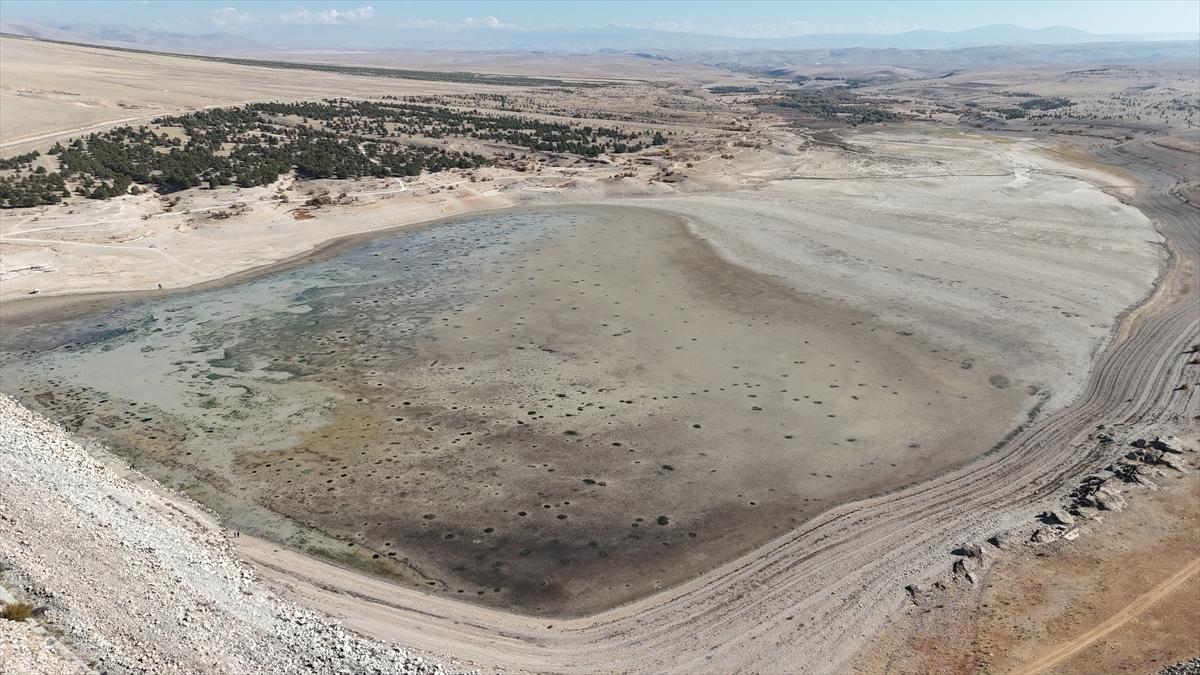
Ayrancı Dam
Location | Karaman Türkiye | ||||||||
|---|---|---|---|---|---|---|---|---|---|
Purpose of Construction | Irrigation | ||||||||
Water Sources | Ulu Dere, Ovacık Deresi, Çatak Deresi | ||||||||
Climate Type | Semi-arid | ||||||||
Annual Average Temperature | 11.0°C | ||||||||
Annual Average Precipitation | 340 mm | ||||||||
Irrigated Area | 5.438 hectares | ||||||||
Number of Irrigation Union Members | 232 | ||||||||
Number of Benefiting Farmers | 909 | ||||||||
Ayrancı Dam is located within the boundaries of Karaman Province in Türkiye’s Central Anatolia Region. Karaman It was constructed for irrigation purposes and meets the water needs of the Ayrancı Plain and surrounding agricultural lands. The dam also holds a significant position in terms of its hydrogeological structure, flora and regional water management important.
Ayrancı Dam was built within the boundaries of Karaman Province to support irrigation and water management activities. Its water supply is provided by the natural rivers Ulu Dere and Ovacık Creek like. The dam is part of the Closed Basin and serves a critical function in supporting agricultural production under the region’s semi-arid climatic conditions strategic.
The dam body and reservoir area are compatible with the local geological formations. Surrounding rock types include limestone, shale and dolomite common. Located at the northern edge of the Central Taurus Mountains, the dam’s elevation ranges from 1030 to 2474 meters above sea level sea.
The area where Ayrancı Dam is located has a semi-arid climate. The annual average temperature is 11.0°C and the annual average precipitation is approximately 340 mm. Precipitation increases during moisture months and declines significantly during write months. Climatically, the region is considered a transition zone between the Mediterranean, Iran-Turan and Europe-Siberian phytogeographic regions.
Other important water sources in the region include rivers such as Çatak Creek, Kavakağzı Creek and Lale Creek, whose flow regimes are affected by climate change.
Ayrancı Dam and its surroundings lie within the Iran-Turan phytogeographic region. The area is rich in biodiversity, particularly in plant families such as Asteraceae, Fabaceae, Lamiaceae, Brassicaceae and Caryophyllaceae plant. A total of 834 different plant species have been identified in the region, of which 20% are endemic.
The vegetation around the dam consists of forest, degraded forest and steppe types. Dominant species include Quercus pubescens (downy oak), Juniperus excelsa (Greek juniper) and Amygdalus orientalis (wild almond).
Ayrancı Dam was constructed to support agricultural production in the Karaman-Ayrancı-Akçaşehir basin. The irrigation system in the region is managed by the Ayrancı Irrigation Union. The gross irrigation area is 5,438 hectares, while the net area is 4,600 hectares.
It has been determined that 57.75% of local farmers are primary school graduates and 46.48% have knowledge about irrigation water quality. However, satisfaction with the irrigation union organization stands at 42.25%, and farmers consider irrigation fees expensive.
The dam’s irrigation performance presents various challenges in terms of irrigation efficiency and water distribution. According to research, net income declines gradually as water source capacity drops to 60%, but declines sharply once this threshold is crossed.
In 2024, following a significant drop in water levels at the dam, fish mortality was observed.

Fish that died due to lack of water (TRT)
Ayrancı Dam holds critical importance in the context of water management policies within the Konya Closed Basin. However, issues related to climate change and the sustainability of water resources must be taken into account for the dam’s long-term use. It is recommended that irrigation water use be made more efficient, modern irrigation techniques that reduce water loss be implemented, and agricultural policies be adjusted accordingly.
Aras, İsmail. Karaman-Ayrancı-Akçaşehir Havzasında İklim Değişiminin Bitki Deseni ve Sulama Suyu İhtiyacına Etkisi. PhD thesis, Ankara Üniversitesi, Fen Bilimleri Enstitüsü, 2022
Baş, Nabi. Karaman İli Ayrancı Sulama Birliğinin İşletmecilik Yönünden Değerlendirilmesi. Master's thesis, Selçuk Üniversitesi, Fen Bilimleri Enstitüsü, Tarım Ekonomisi Anabilim Dalı, 2019
TRT. "Karaman’da Su Seviyesi Düşen Barajdaki Balıkların Bir Kısmı Telef Oldu". Accessed March 19, 2025. https://www.trthaber.com/foto-galeri/karamanda-su-seviyesi-dusen-barajdaki-baliklarin-bir-kismi-telef-oldu/68376/sayfa-8.html
Ünal, Ayvaz and Coşkun Sağlam. Ayrancı Barajı, Karakükürtlü Dağı, Alahan ve Karaman Arasında Kalan Bölgenin Florası. D.P.Ü. Fen Bilimleri Enstitüsü, 2008.
Ünal, Ayvaz. Karaman, Ayrancı Barajı, Bolkar Dağları, Orta Toroslar, Sartavul Geçidi Arasında Kalan Bölgenin Fitososyolojik ve Fitoekolojik Yönden Araştırılması. PhD thesis, Selçuk Üniversitesi, Eğitim Fakültesi, 1989.
Ünlü, Barış. Ayrancı’nın (Karaman) Coğrafi Etüdü. Master's thesis, Selçuk Üniversitesi, Sosyal Bilimler Enstitüsü, Coğrafya Öğretmenliği Bilim Dalı, 2007

Ayrancı Dam
Location | Karaman Türkiye | ||||||||
|---|---|---|---|---|---|---|---|---|---|
Purpose of Construction | Irrigation | ||||||||
Water Sources | Ulu Dere, Ovacık Deresi, Çatak Deresi | ||||||||
Climate Type | Semi-arid | ||||||||
Annual Average Temperature | 11.0°C | ||||||||
Annual Average Precipitation | 340 mm | ||||||||
Irrigated Area | 5.438 hectares | ||||||||
Number of Irrigation Union Members | 232 | ||||||||
Number of Benefiting Farmers | 909 | ||||||||
History and Structural Features
Climate and Hydrology
Flora and Ecosystem
Irrigation and Agricultural Use