


This article was automatically translated from the original Turkish version.
+1 More
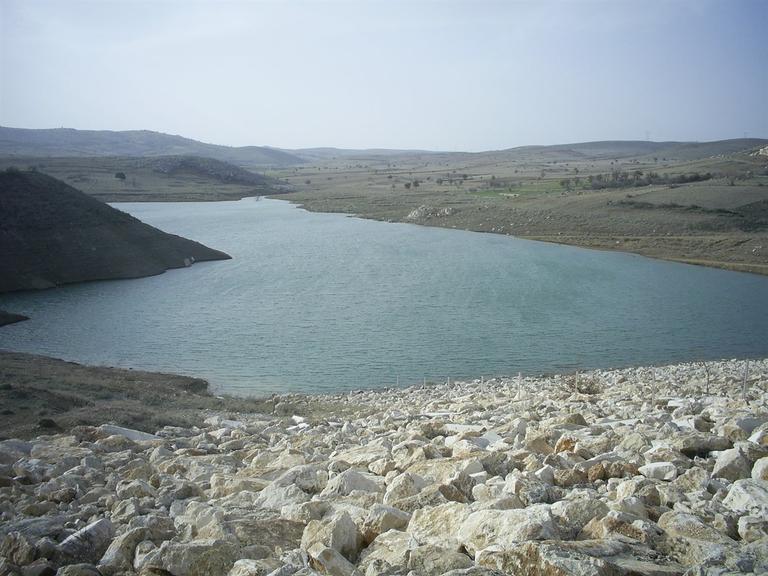
Bademli Dam is a dam constructed on the Bademli Creek in Burdur province of Türkiye for irrigation purposes. Completed between 1987 and 1997, this building was planned to support region agriculture and implemented to ensure the sustainable use of water resources active.

The reservoir capacity of Bademli Dam is 707,000 m³ and it covers an area of 67.5 hectares. It provides an average of 2.4 million cubic meters of water annually for irrigation systems and contributes to the irrigation of 507 hectares of agricultural land.
Recent studies have shown that Bademli Dam Lake has suffered significant water loss. Between 2011 and 2021, the lake experienced a 73.1 percent reduction in water volume, with its surface area decreasing from 382,087 m² to 102,906 m². This decline highlights the impact of climate change and human activities on dam lakes.
Bademli Dam plays a important role in sustaining agriculture in the region. By meeting irrigation needs, the dam has increased production productivity and ensured the continuity of agricultural activities. However, if water loss continues at this rate, the agricultural sector in the region may face serious threats in the future.
The main causes of the declining water level in Bademli Dam Lake include drought, excessive water use, and inadequate water management place.
Water Conservation Policies: Effective water management strategies should be developed and drip irrigation and other water-efficient irrigation methods should be promoted.
Ecosystem Restoration: Natural water sources feeding the dam lake should be encouraged to preserve the ecological balance of the lake and its surroundings.
Public Awareness Campaigns: Farmers in the region should be educated on water conservation to ensure efficient water use.
Bademli Dam is critical to the effective use of water resources in Burdur province. However, due to climate change and human activities, water levels have declined significantly. To meet future water demands to meet and ensure agricultural sustainability, conscious and efficient use of water resources is essential.

Technical Specifications
Hydrological and Ecological Status
Economic and Agricultural Impacts
Problems and Proposed Solutions