
This article was automatically translated from the original Turkish version.
+1 More
Balya Butter
Type of Geographical İndication | Mahreç Sign | ||||||||
|---|---|---|---|---|---|---|---|---|---|
Application Date | 09.02.2022 | ||||||||
Registration Number | 1449 | ||||||||
Registration Date | 15.08.2023 | ||||||||
Product / Product Group(s) | Butter including solid and liquid fats | ||||||||
Province(s) | Balıkesir | ||||||||
Applicant/Registrant(s) | Balıkesir Metropolitan Municipality | ||||||||
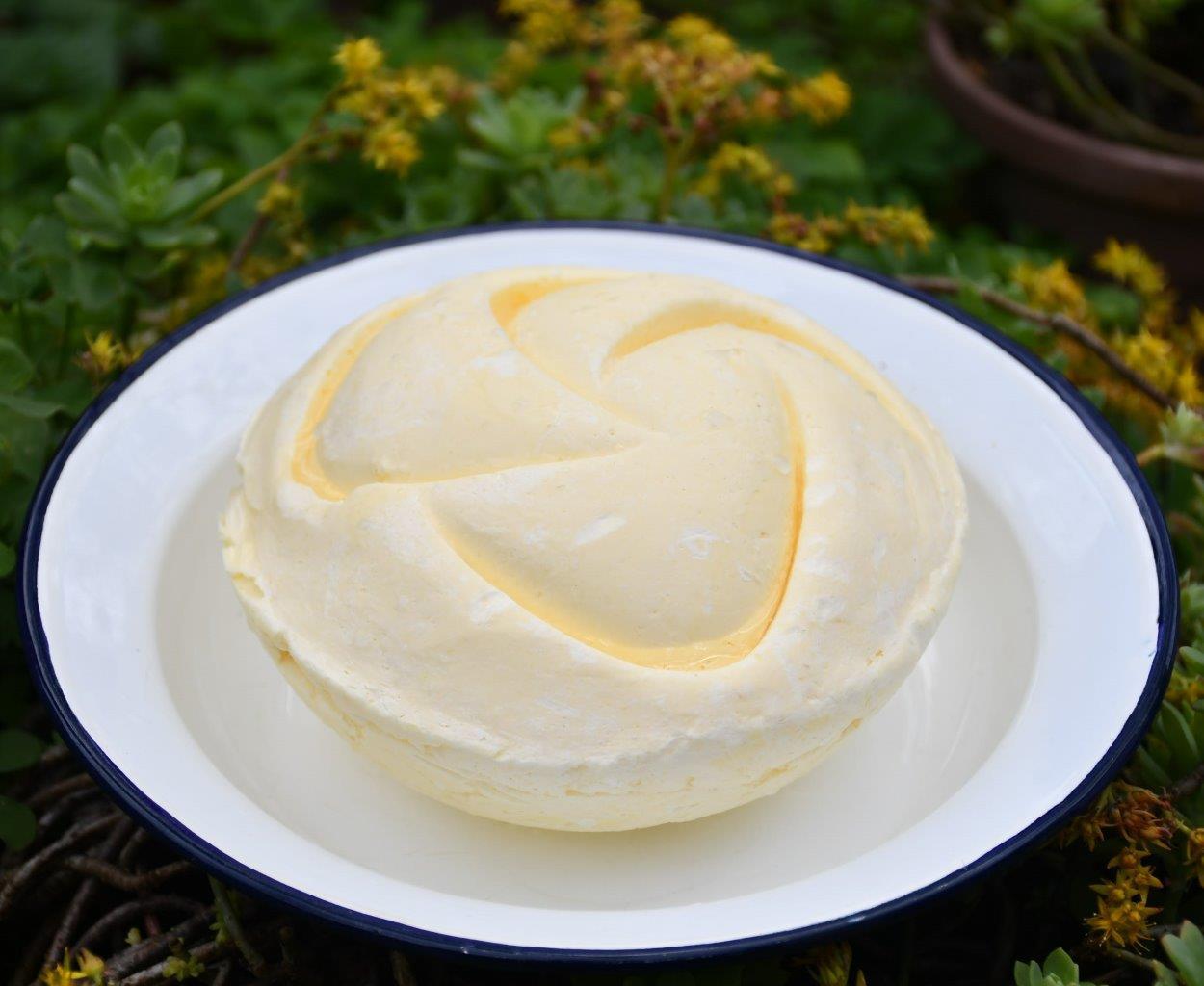
Balya butter is a high-quality dairy product traditionally produced in the Balya district of Balıkesir using traditional methods. It is characterized by its intense aroma and rich flavor, typically manufactured by small family enterprises. The butter’s distinctive taste stems from the natural pastures where local cattle graze. With its pale yellow color, high milk fat content, and easy-melting texture, Balya butter is preferred both as a breakfast spread and in cooking and pastry making. Known locally as “yayık tereyağı,” Balya butter is obtained from yayık ayran and contains no additives. Due to its traditional production process and natural flavor, it holds a significant place in local gastronomy and possesses potential for geographical indication status.
Balya butter is produced in the Balya district and surrounding villages in the northwestern part of Balıkesir. This region offers highly favorable conditions for dairy farming, with its rich vegetation, natural pastures, and clean water sources. The climate and flora of Balya impart a unique aroma to cow’s milk, directly influencing the flavor profile of the butter. Production relies heavily on the accumulated knowledge and manual labor of the local population. In particular, female producers use traditional methods passed down through generations to churn milk in wooden churns, obtaining natural yayık butter. The commitment to additive-free and natural production has made Balya butter an indispensable part of the regional culinary culture while contributing to sustainable agriculture. In this context, the role of the local producer is not only economic but also vital for preserving cultural heritage.
Balya butter is the product of a production culture shaped by the natural environmental conditions of the Balya district and its rural areas in northwestern Balıkesir. The region’s fertile pastures, diverse plant life, and clean water sources create an ideal ecosystem for dairy farming. These geographical characteristics endow the cow’s milk—and consequently the resulting butter—with a unique taste and aroma. Local producers, particularly women, prepare the butter using the traditional yayık method without any additives, relying entirely on natural processes. Knowledge and experience transmitted across generations play a crucial role in production. This transforms the activity from a mere economic endeavor into an integral component of regional identity. Thus, the geographical area determines the product’s quality, while the local producer is the essential element that sustains this quality and keeps the cultural heritage alive.
Balya butter is a natural dairy product uniquely produced in the Balya district of Türkiye using traditional methods, and it exhibits distinctive characteristics shaped by the region’s geographical and climatic conditions. Made from high-quality milk, this butter stands out for its natural, additive-free composition. Balya butter holds an important place in the regional culinary culture and is particularly favored by consumers for its flavor and aroma.
Balya butter differs from other types of butter primarily due to the origin of the milk used, the feeding conditions of the livestock, and the traditional processing techniques. Its physical structure is homogeneous and creamy in color, offering a rich and natural dairy flavor. With a low salt content, its natural structure is preserved, ensuring stable fat quality and texture throughout its shelf life. Balya butter distinguishes itself from regional butters through its dense consistency and melting properties.
The production of Balya butter begins with the blending of cow and buffalo milk in appropriate proportions. First, milk is collected under natural and hygienic conditions. After fermentation, cream is separated from the milk. The separated cream is then transformed into butter through traditional churning and beating processes. No chemical additives are used in production; salt is added only in low quantities, based on consumer preference.
Temperature and humidity control during production are critical for developing the butter’s texture and aroma. Adherence to hygiene standards throughout the process is essential for microbial control and quality assurance. In the final stage, the butter is shaped in traditional wooden molds, packaged, and prepared for fresh consumption or market distribution.
Protecting Balya butter with geographical indication increases its visibility in the market, enhances the sustainability of producers’ incomes, and strengthens consumer trust. It is known that the Balıkesir Metropolitan Municipality aims, through this registration, to boost production in Balya and strengthen the economic gains of local producers. Additionally, Balya butter is considered a potential product for gastronomic tourism.
The application for Balya butter was submitted on 9 February 2022, with file number C2022/000049 and registration number 1449. Following technical evaluation, suspension, and application procedures, the product was officially registered. Only products produced within the defined geographical boundaries using the original production methods are permitted to bear the name “Balya butter.”
Belediye Haber. "Balıkesir’s Balya Butter Granted Geographical Indication Certificate." Date Published: August 31, 2023. Accessed https://belediyehaber.net/2023/08/31/balikesirin-balya-tereyagina-cografi-isaret-tescil-belgesi-verildi.
Turk Patent and Trademark Office. Balya Butter Geographical Indication Registration Certificate. Registration No. 1449. Registered on behalf of Balıkesir Metropolitan Municipality. Ankara: Turk Patent and Trademark Office, 2023. Accessed July 27, 2025. https://ci.turkpatent.gov.tr/Files/GeographicalSigns/4bdf5d6e-a1e5-4481-9756-6b82608bdad9.pdf
Turkish Patent and Trademark Office. "Balya Tereyağı Coğrafi İşaret Tescil Bilgisi." File No. C2022/000049; Registration No. 1449; Registration Date: August 15, 2023. Geographical Indications Portal. Accessed July 27, 2025. https://ci.turkpatent.gov.tr/cografi-isaretler/detay/6103

Balya Butter
Type of Geographical İndication | Mahreç Sign | ||||||||
|---|---|---|---|---|---|---|---|---|---|
Application Date | 09.02.2022 | ||||||||
Registration Number | 1449 | ||||||||
Registration Date | 15.08.2023 | ||||||||
Product / Product Group(s) | Butter including solid and liquid fats | ||||||||
Province(s) | Balıkesir | ||||||||
Applicant/Registrant(s) | Balıkesir Metropolitan Municipality | ||||||||
Technical Characteristics and Production Standard
Geographical Area and Role of the Local Producer
Product Definition
Distinctive Features
Production Method and Process
Economic Benefits and Regional Impact
Registration Process and Legal Status