


This article was automatically translated from the original Turkish version.
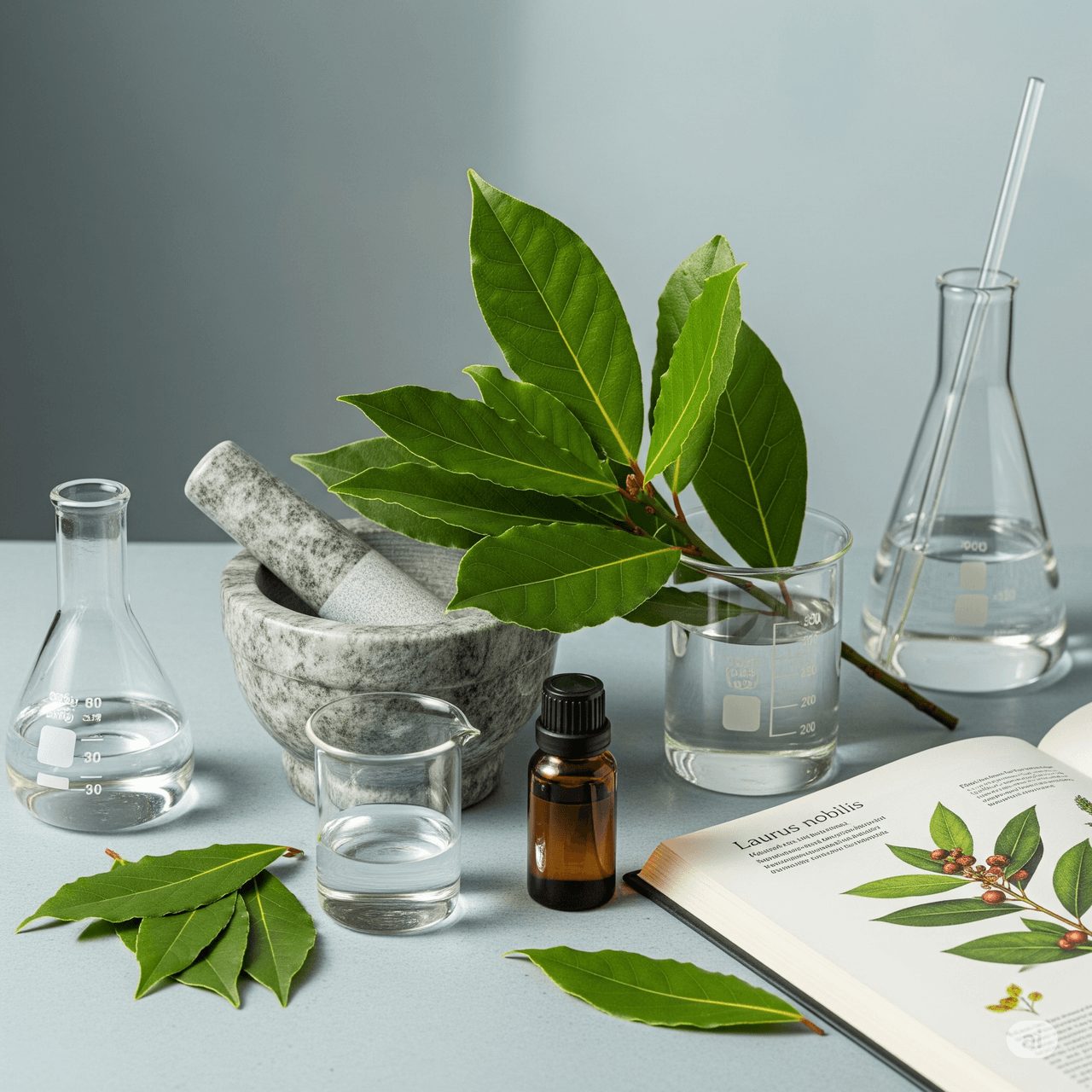
Laurel
Scientific Name(s) | Laurus nobilis | ||||||||
|---|---|---|---|---|---|---|---|---|---|
Family | Lauraceae | ||||||||
Distribution Area | Mediterranean region and ornamental in other regions | ||||||||
Botanical Characteristics | Evergreen, aromatic tree; dark green, glossy leaves; yellowish-white flowers; black fleshy fruits | ||||||||
Chemical Components | Essential oils (1.8-cineole, eugenol), flavonoids, tannins, alkaloids | ||||||||
Biological Activities | antiinflammatory antifungal antimicrobial Antioxidant | ||||||||
Area(s) of Use | Traditional medicine perfume industry cosmetics cuisine | ||||||||
Laurus nobilis, commonly known as bay laurel, is an aromatic evergreen tree species native to the Mediterranean basin. This plant, belonging to the Lauraceae family, has been used throughout history both as a culinary spice and for various purposes in traditional medicine. Due to its biological properties and chemical composition, bay laurel has also been the focus of scientific research.
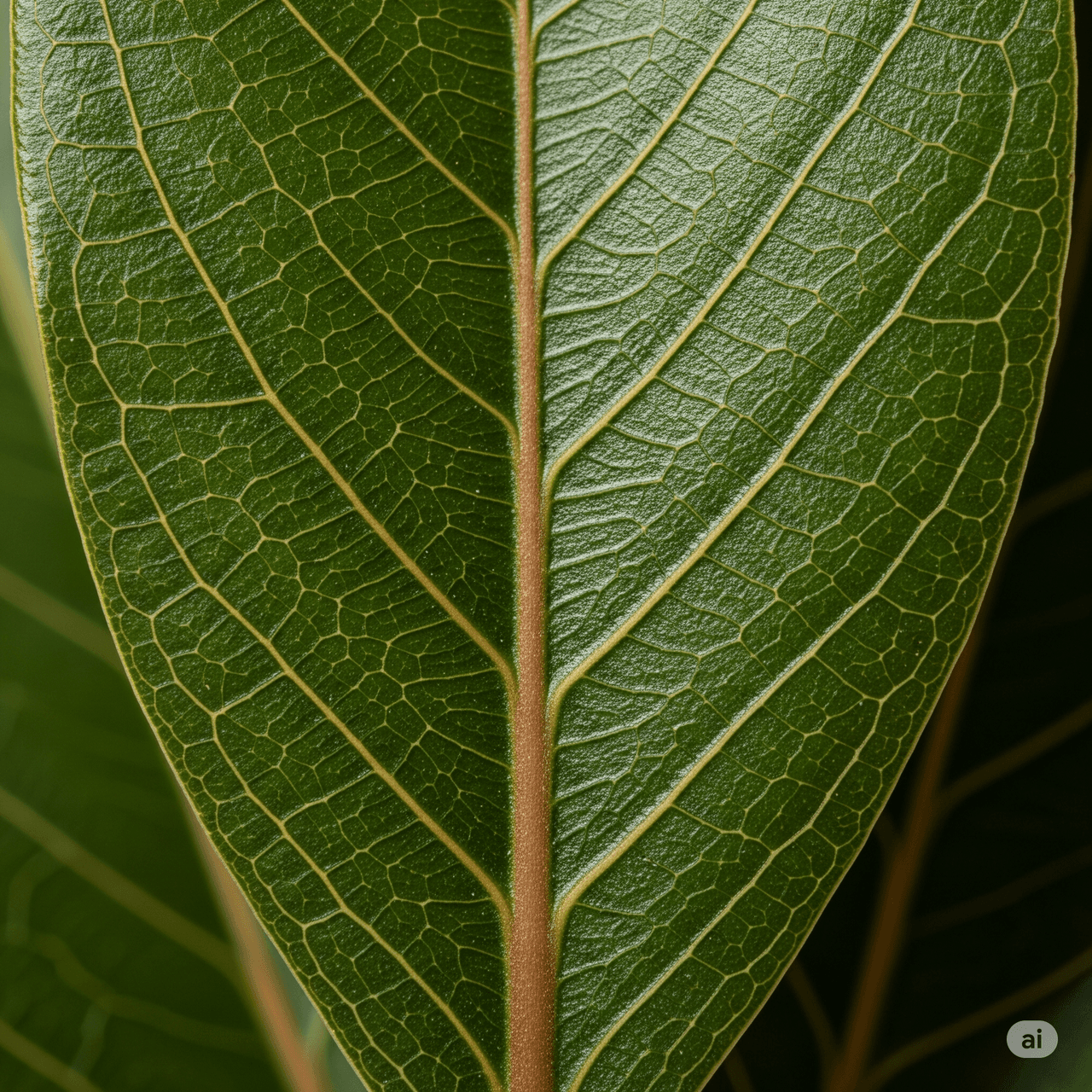
Bay leaf (generated by artificial intelligence)
Laurus nobilis is an evergreen, aromatic tree belonging to the Lauraceae family. It naturally grows in the Mediterranean region and is a characteristic component of its native vegetation. The bay laurel tree typically reaches heights between 2 and 10 metres. Its leaves are dark green, glossy and leathery. The flowers are pale yellowish-white and bloom in spring. The fruits are small, fleshy and black in colour.
Bay laurel is widely found in Mediterranean countries such as Türkiye, Greece, Italy, Spain and Morocco. It is also cultivated in other climate zones for ornamental purposes.
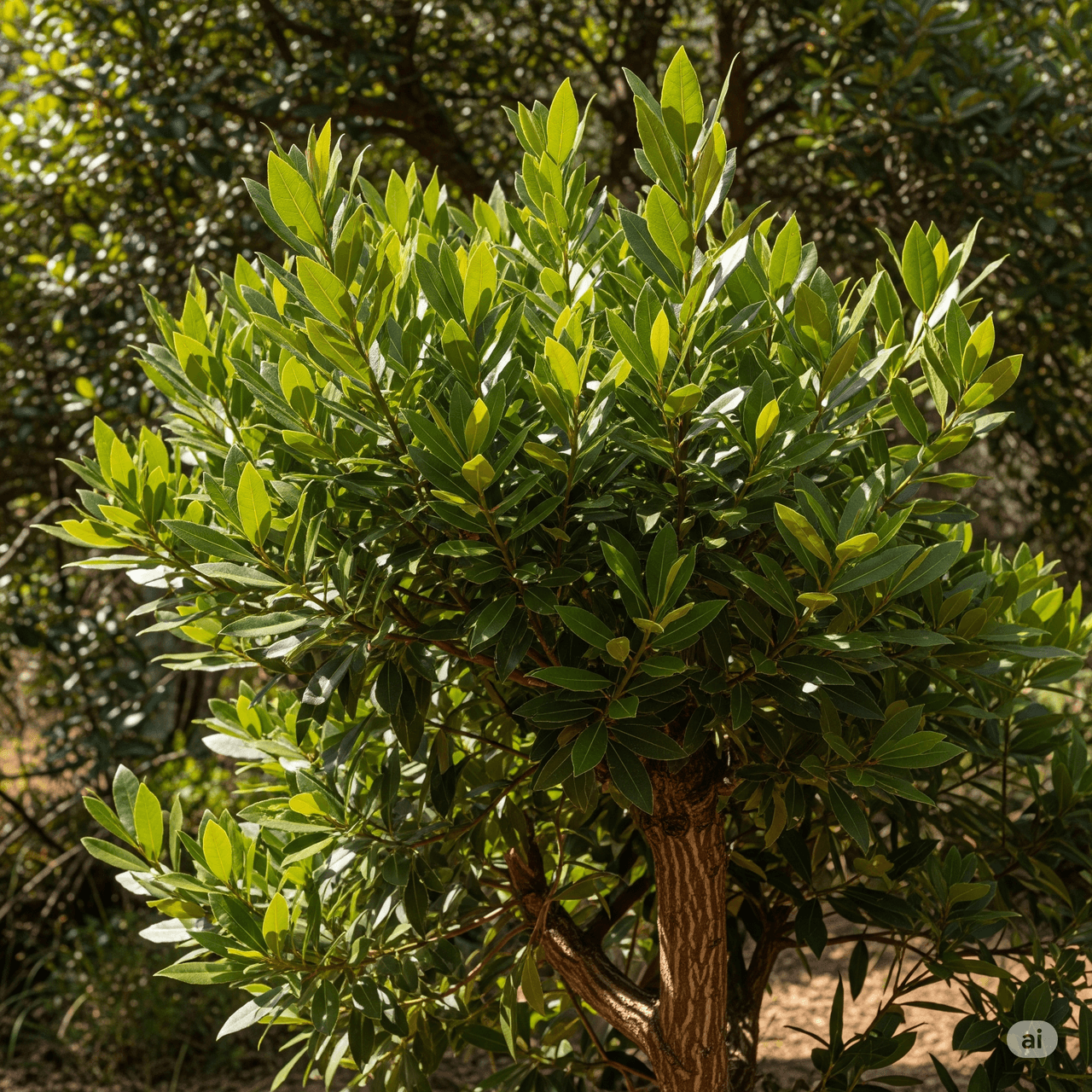
Bay laurel (generated by artificial intelligence)
Bay leaves possess a rich chemical composition, including essential oils, flavonoids, tannins and alkaloids. The essential oils contain compounds such as 1,8-cineole, eugenol and methyl eugenol, which give bay leaves their characteristic aroma and exhibit various biological activities. Extracts of bay leaves demonstrate antioxidant, antimicrobial, antifungal and anti-inflammatory properties. These properties align with its traditional medicinal uses. For example, bay leaves have been used in traditional medicine to treat digestive disorders, rheumatic pain and respiratory ailments.
Bay laurel has been used in traditional medicine for centuries and is now regarded as a plant with potential in modern pharmacology. Due particularly to its antioxidant and anti-inflammatory effects, bay leaf extracts are believed to have possible therapeutic applications in the treatment of various diseases. Additionally, the antimicrobial properties of bay leaves make them suitable for use as natural food preservatives.
Bay leaves are widely used in kitchens as a spice. They are preferred for adding aroma to meats, fish, soups and sauces. Bay leaf oil is also used in the cosmetics and perfume industries.

Historical and traditional pharmacological use of bay laurel (generated by artificial intelligence)
Bourebaba, N., Kornicka-Garbowska, K., Marycz, K., Bourebaba, L., & Kowalczuk, A. (2021). The botanical study, phytochemical composition, and biological activities of *Laurus nobilis* L. *International Journal of Scientific and Management*, 9(3), 45–58. Accessed May 26, 2025. https://dergipark.org.tr/en/pub/ijsm/issue/77186/1171836
Caputo, L., Nazzaro, F., Souza, L. F., & De Feo, V. (2017). *Laurus nobilis*: Composition of essential oil and its biological activities. *Molecules*, 22(6), 930. Accessed May 26, 2025. https://www.mdpi.com/1420-3049/22/6/930
Kilic, A., Hafizoglu, H., Kollmannsberger, H., & Nitz, S. (2004). Volatile constituents and key odorants in leaves, buds, flowers, and fruits of *Laurus nobilis* L. *Journal of Agricultural and Food Chemistry*, 52(6), 1601–1606. Accessed May 26, 2025. https://doi.org/10.1021/jf0306237

Laurel
Scientific Name(s) | Laurus nobilis | ||||||||
|---|---|---|---|---|---|---|---|---|---|
Family | Lauraceae | ||||||||
Distribution Area | Mediterranean region and ornamental in other regions | ||||||||
Botanical Characteristics | Evergreen, aromatic tree; dark green, glossy leaves; yellowish-white flowers; black fleshy fruits | ||||||||
Chemical Components | Essential oils (1.8-cineole, eugenol), flavonoids, tannins, alkaloids | ||||||||
Biological Activities | antiinflammatory antifungal antimicrobial Antioxidant | ||||||||
Area(s) of Use | Traditional medicine perfume industry cosmetics cuisine | ||||||||
No Discussion Added Yet
Start discussion for "Bay leaf (Laurus nobilis)" article
Botanical Characteristics and Distribution
Chemical Composition and Biological Activities
Pharmacological Potential and Applications