

 Recently Added:
This article was automatically translated from the original Turkish version.
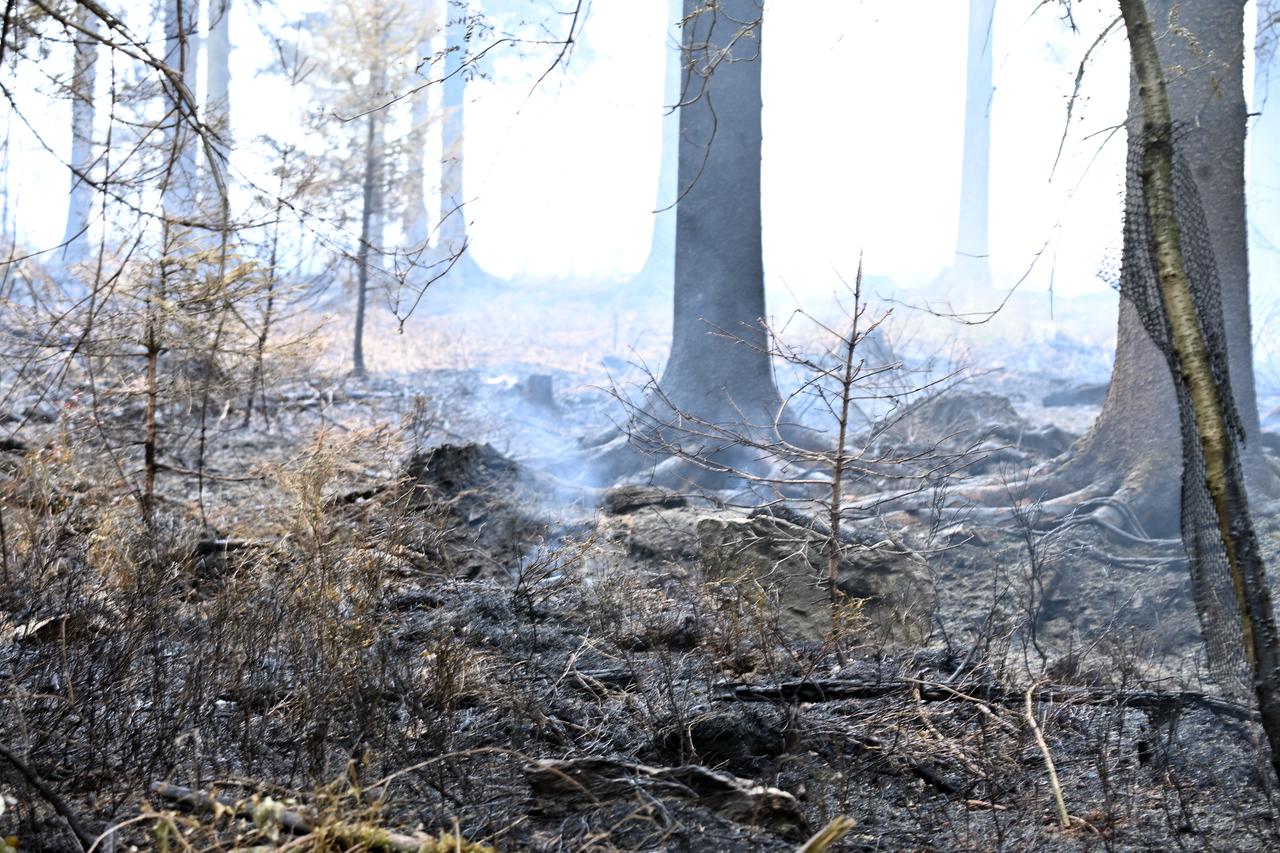
On 14 August 2026, a large-scale forest fire began in the Hautes Fagnes nature reserve located in the Liège province of eastern Belgium. The fire, which started near the German border, spread eastward under the influence of strong winds and rapidly expanded over a wide area. Hautes Fagnes is known as one of Belgium’s largest and oldest nature reserves.
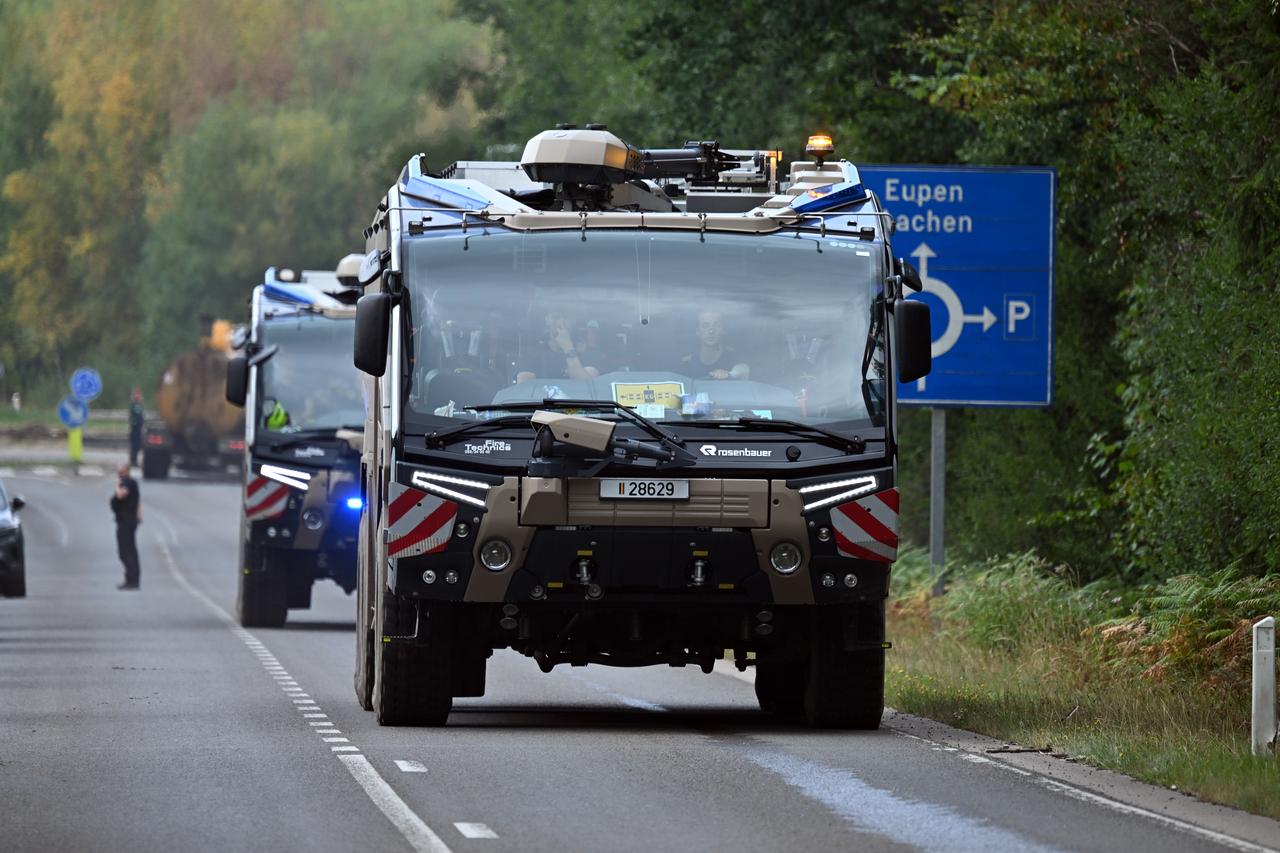
Belçika Orman Yangınları (17 Ağustos, 2026)
In the first days of the fire, more than 2700 hectares were affected; by 18 August, the burned area had reached approximately 3000 hectares. Thus, the fire became the largest forest fire ever recorded in Belgium, surpassing the 2011 fire in the same region which had damaged approximately 1400 hectares.
Due to the fire’s advance and dense smoke reaching residential areas, approximately 600 people living in the municipalities of Waimes and Bütgenbach near the German border were asked to leave their homes on 15 August. Authorities issued warnings advising the public to avoid approaching the fire zone, and no direct fire-related damage was reported in settlements during the initial days.
As the fire approached within approximately three kilometers of the German border, precautionary measures were taken in the German town of Monschau. German authorities stated they would not wait for flames to cross the border but advised residents in three districts of the town to temporarily evacuate due to heavy smoke.
Following the fire’s rapid spread, response teams from Germany, Luxembourg and the Netherlands joined Belgian efforts. More than 250 emergency personnel were deployed in the region during the first days, with teams focusing particularly on containing the fire’s advancing fronts.
In the following days, aerial support was expanded. If weather conditions permitted, a total of nine aircraft and helicopters were expected to participate: one Chinook helicopter, two helicopters belonging to the Belgian Federal Police, two aircraft from Sweden, two helicopters from Germany and two helicopters from Norway. However, strong winds and adverse weather conditions prevented the use of some aerial assets during certain periods.
On the fifth day of the fire, Walloon regional authorities announced that the flames had ceased spreading to new areas. Teams focused on strengthening defensive lines in the northern and eastern sections of the fire and worked to fully encircle the blaze to bring it under control.
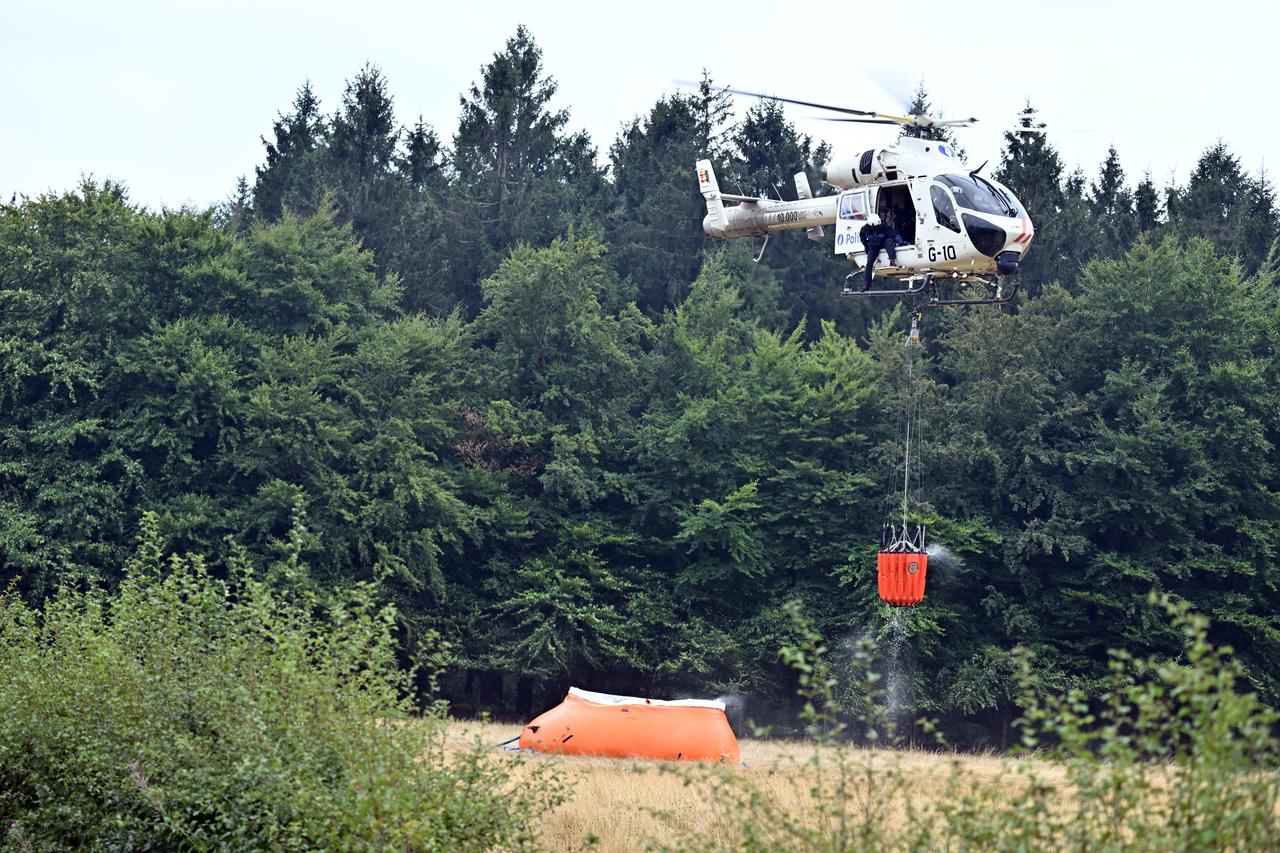
Belçika Orman Yangınları (17 Ağustos, 2026) Anadolu Ajansı
Although rainfall occurred, the fire was not fully extinguished. Authorities warned that strengthening winds could reignite the fire and expressed particular concern that flames might reach coniferous forests on the German side. On 16 August, Belgian Interior Minister Bernard Quintin reported that the sections of the fire advancing toward Jalhay and Monschau in Germany had been brought under control.
The fire occurred during a period of consecutive heatwaves and prolonged lack of rainfall in Belgium. On 14 August, temperatures in some regions reached approximately 37 degrees Celsius, and only limited rainfall had been recorded in the preceding weeks.
Prolonged heat and drought reduced moisture levels in the soil and vegetation. These conditions created an environment in which forest fire risk increased not only in Belgium but also across other parts of Europe during the time of the Hautes Fagnes fire.
While firefighting efforts continued in eastern Belgium, precautionary measures against drought and forest fire risk were maintained in the capital, Brussels. Following an assessment by the Brussels Environment Agency, water management authority Vivaqua, the Port of Brussels and crisis management body Safe.brussels, it was decided to maintain a “yellow alert” level in the region.
According to the Royal Meteorological Institute of Belgium’s drought index, the Brussels region was classified as “very dry to extremely dry.” The rainfall recorded in August was deemed insufficient to end the current drought, and no significant improvement in conditions was expected from forecasted future rainfall in the short term.
The fire in Hautes Fagnes, affecting approximately 3000 hectares, became the largest forest fire ever recorded in Belgium. Previously, the largest fire in the country had been the 2011 blaze in the same nature reserve, which impacted approximately 1400 hectares.
King Philippe of Belgium visited the affected region during the fire, received updates from crisis center officials on firefighting operations and met with firefighters involved in the response. By 18 August, the fire’s advance had been largely halted, but efforts continued to fully extinguish the blaze and prevent any potential re-ignition.
Al Jazeera. "Belgium’s largest wildfire on record spreads towards German border." Accessed August 19, 2026.
Anadolu Ajansı. "Belçika'da kayıtlara geçen en büyük orman yangını 5. gününde sürüyor." August 18, 2026. Accessed August 19, 2026.
BBC News. "Belgian wildfire doubles in size on third day tearing through nature reserve" Accessed August 19, 2026.
Deutsche Welle (DW). "Belgium wildfire: Rains help High Fens containment efforts" Accessed August 19, 2026.
Euronews. "Belgium wildfire 'encircled' overnight but situation still 'complicated,' officials say." August 19, 2026. Accessed August 19, 2026.

A fire that began on August 14 in the Hautes Fagnes nature reserve in eastern Belgium has escalated into the largest forest fire in the country’s recorded history, affecting an area of approximately 3,000 hectares. Efforts to combat the fire continue, with around 600 people evacuated. Teams from Belgium, Germany, the Netherlands and Luxembourg are involved in the response, and the advance of the flames has been largely halted.
No Discussion Added Yet
Start discussion for "Belgium Forest Fires (August 2026)" article
August 19, 2026
Evacuation of Settlements
August 19, 2026
International Firefighting Efforts
August 19, 2026
Halting the Fire’s Advance
August 19, 2026
Impact of Heatwaves and Drought
August 19, 2026
High Forest Fire Risk Maintained in Brussels
August 19, 2026
Recorded as Belgium’s Largest Forest Fire