


This article was automatically translated from the original Turkish version.
+2 More
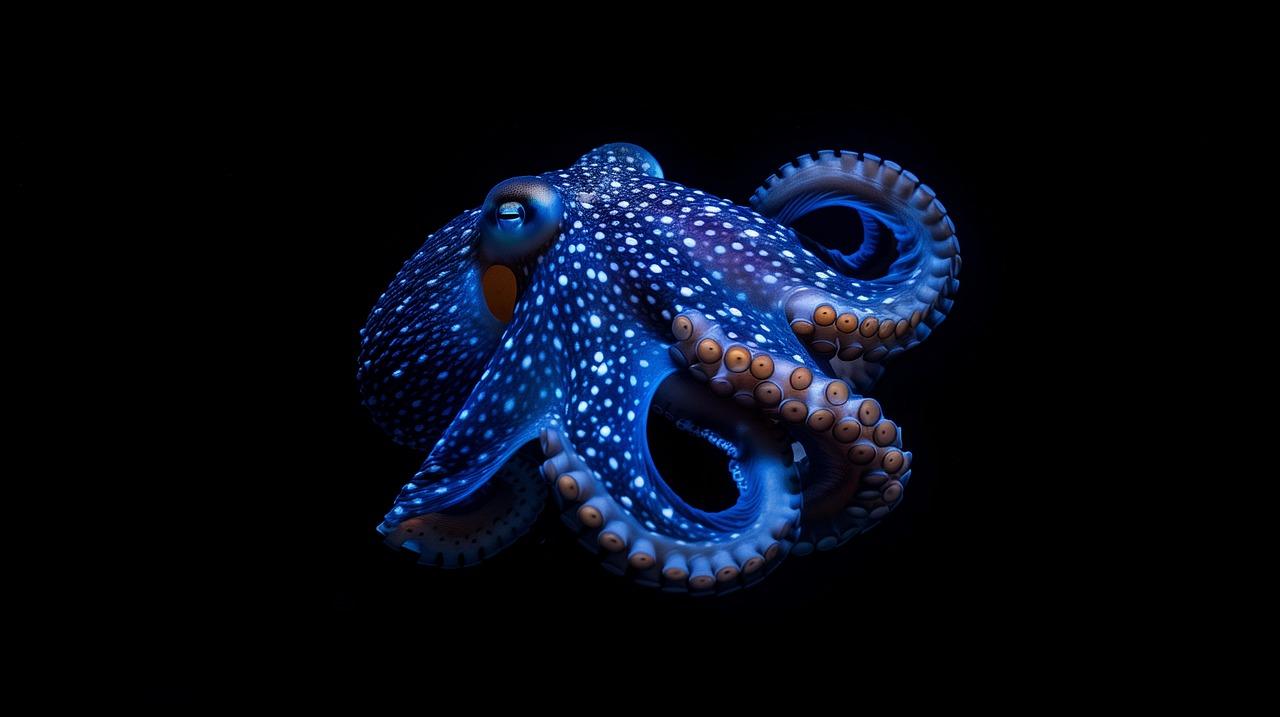
Bioluminescence
Living Things Seen | fungi: Some bioluminescent species fireflies jellyfish plankton Deep-sea fish | ||||||||
|---|---|---|---|---|---|---|---|---|---|
Function(s) | camouflage intraspecific communication protection from predators Hunting prey | ||||||||
Bioluminescence is defined as the ability of living organisms to produce light through chemical reactions during their metabolic activities. In this process, the organic molecule luciferin reacts with oxygen in the presence of the enzyme luciferase, resulting in the emission of photons. The resulting light falls within the visible light spectrum and is described as “cold light” due to its minimal heat emission compared to conventional light sources. This characteristic makes bioluminescence energetically advantageous under environmental conditions.
The fundamental chemical mechanism of bioluminescence is based on an oxidation reaction between luciferin and the enzyme luciferase. Although luciferin exhibits structural variation across different organisms, its general function is to react with oxygen to produce light. This reaction generates high-energy intermediate products, and light (photons) is emitted during their decay. The wavelength of the emitted light is predominantly in the blue-green spectrum, which facilitates more efficient light transmission in aquatic environments. Due to the low heat production of the chemical reaction, bioluminescence is distinct from thermal light sources.
Bioluminescence has been observed in over 700 species across marine and terrestrial ecosystems. In marine environments, it is particularly common in deep-sea fish, jellyfish, crustaceans, and plankton. In some species, bioluminescence is supported by symbiotic bacteria. In terrestrial ecosystems, fireflies and certain fungal species possess bioluminescent capabilities. While the mechanisms of bioluminescence production vary among species, the underlying biochemical process is similar.
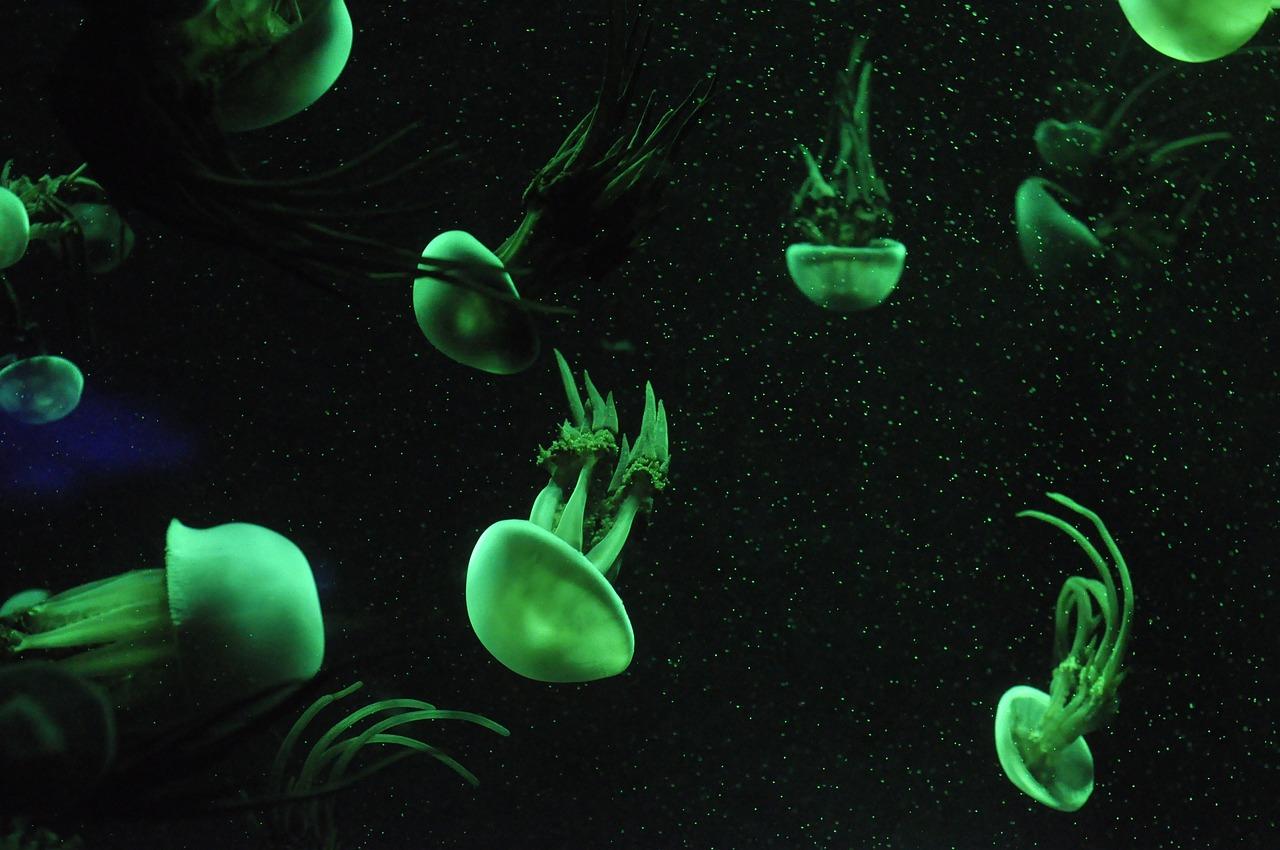
Image of a Jellyfish (Pıxabay)
Bioluminescence serves various functions in the lives of organisms, including defense mechanisms, predation strategies, camouflage, and intraspecific communication. For example, some deep-sea fish use light to attract prey, while other species emit sudden bursts of light to evade predators. Additionally, bioluminescence is used to send signals for both interspecific and intraspecific communication. These functions support the adaptation of organisms to their environmental conditions.
Bioluminescence is a convergent evolutionary trait that has arisen independently across different taxonomic groups. Molecular and genetic studies have shown that bioluminescence evolved through at least forty separate evolutionary events. This diversity underscores bioluminescence’s significance as an adaptive trait for environmental compatibility and survival.
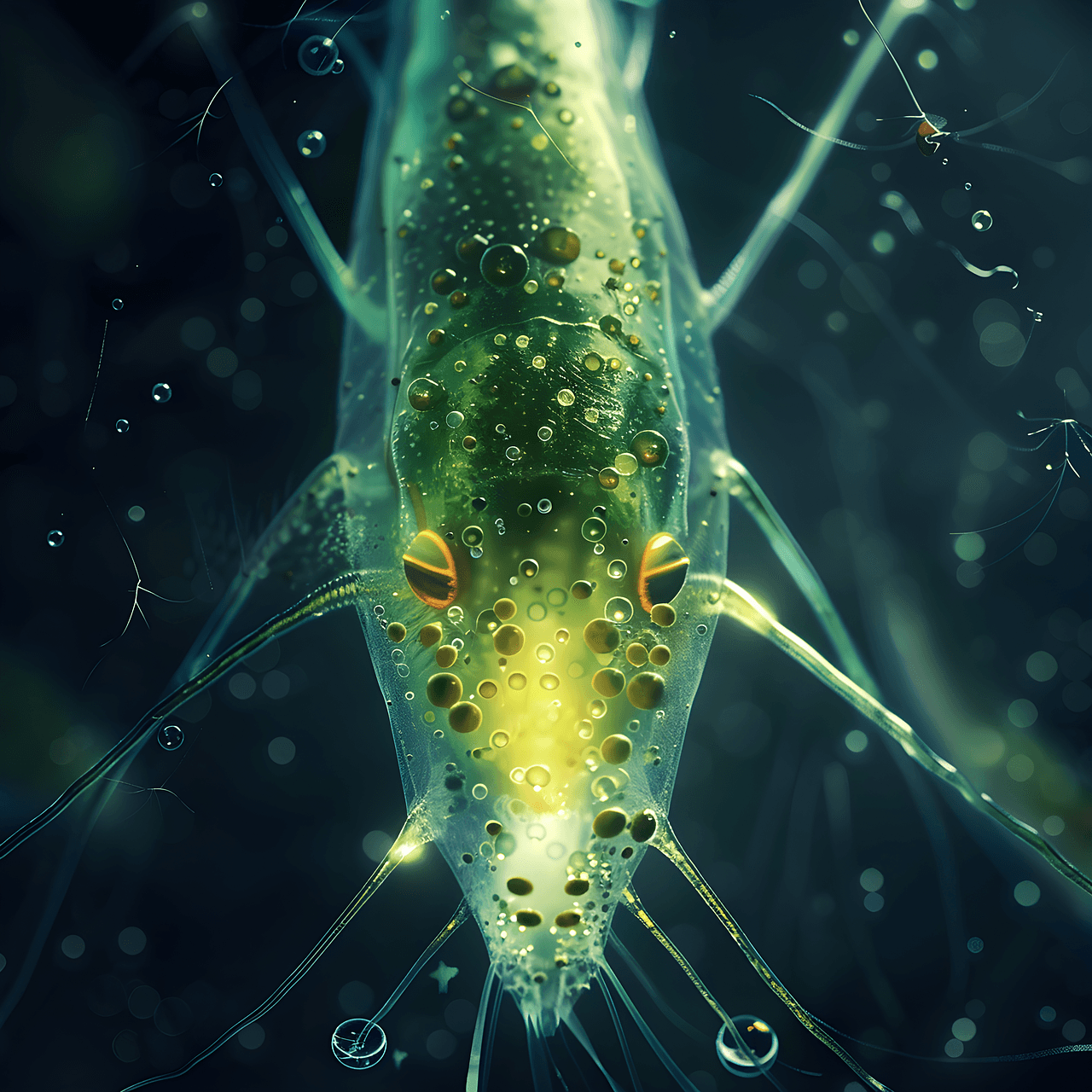
Image of Plankton (Pıxabay)
The use of bioluminescence in modern biotechnology is increasingly widespread. Luciferase genes are employed as biological reporters to monitor gene expression in living organisms. Additionally, bioluminescence-based biosensors are widely preferred for detecting environmental pollutants and conducting toxicity analyses. In medical research, bioluminescent methods are being investigated for the diagnosis of cancer and infectious diseases. In industrial applications, bioluminescence-based assays are used in food safety testing and drug development processes.
Bilim Genç – TÜBİTAK. "Biyolüminesans: Işık Yayan Canlılar." Accessed June 17, 2025. https://bilimgenc.tubitak.gov.tr/makale/biyoluminesans-isik-yayan-canlilar.
BilimUp. "Işıldayan Canlılar: Biyolüminesans." BilimUp. Accessed June 17, 2025. https://bilimup.com/isildayan-canlilar-biyoluminesans/.
Kaya, Yağmur Arzum, and Ebru Tulu. 2024. “Doğal Işık Kaynağı: Biyolüminesans.” *Mars on Earth Project (MoEP)*. Accessed June 17, 2025. https://marsonearthproject.org/dogal-isik-kaynagi-biyoluminesans-nedir/.
Pixabay. 2023. “Biyolüminesans Ahtapot – Parıltılı.” Pixabay. Accessed June 17, 2025. https://pixabay.com/tr/illustrations/biyol%C3%BCminesans-ahtapot-par%C4%B1lt%C4%B1l%C4%B1-8801741/.
Pixabay. 2023. “Denizanası – Su Canlıları.” Pixabay. Accessed June 17, 2025. https://pixabay.com/tr/photos/deniz-anas%C4%B1-su-canl%C4%B1lar%C4%B1-969927/.
Pixabay. 2023. “Plankton – Deniz Doğa (Yapay Zekâ ile Oluşturuldu).” Pixabay. Accessed June 17, 2025. https://pixabay.com/tr/illustrations/ai-olu%C5%9Fturuldu-plankton-deniz-do%C4%9Fa-8718463/.


Bioluminescence
Living Things Seen | fungi: Some bioluminescent species fireflies jellyfish plankton Deep-sea fish | ||||||||
|---|---|---|---|---|---|---|---|---|---|
Function(s) | camouflage intraspecific communication protection from predators Hunting prey | ||||||||
Molecular Mechanism
Biological Diversity and Ecological Distribution
Functional Roles
Evolutionary Perspective
Biotechnological Applications