This article was automatically translated from the original Turkish version.
+2 More
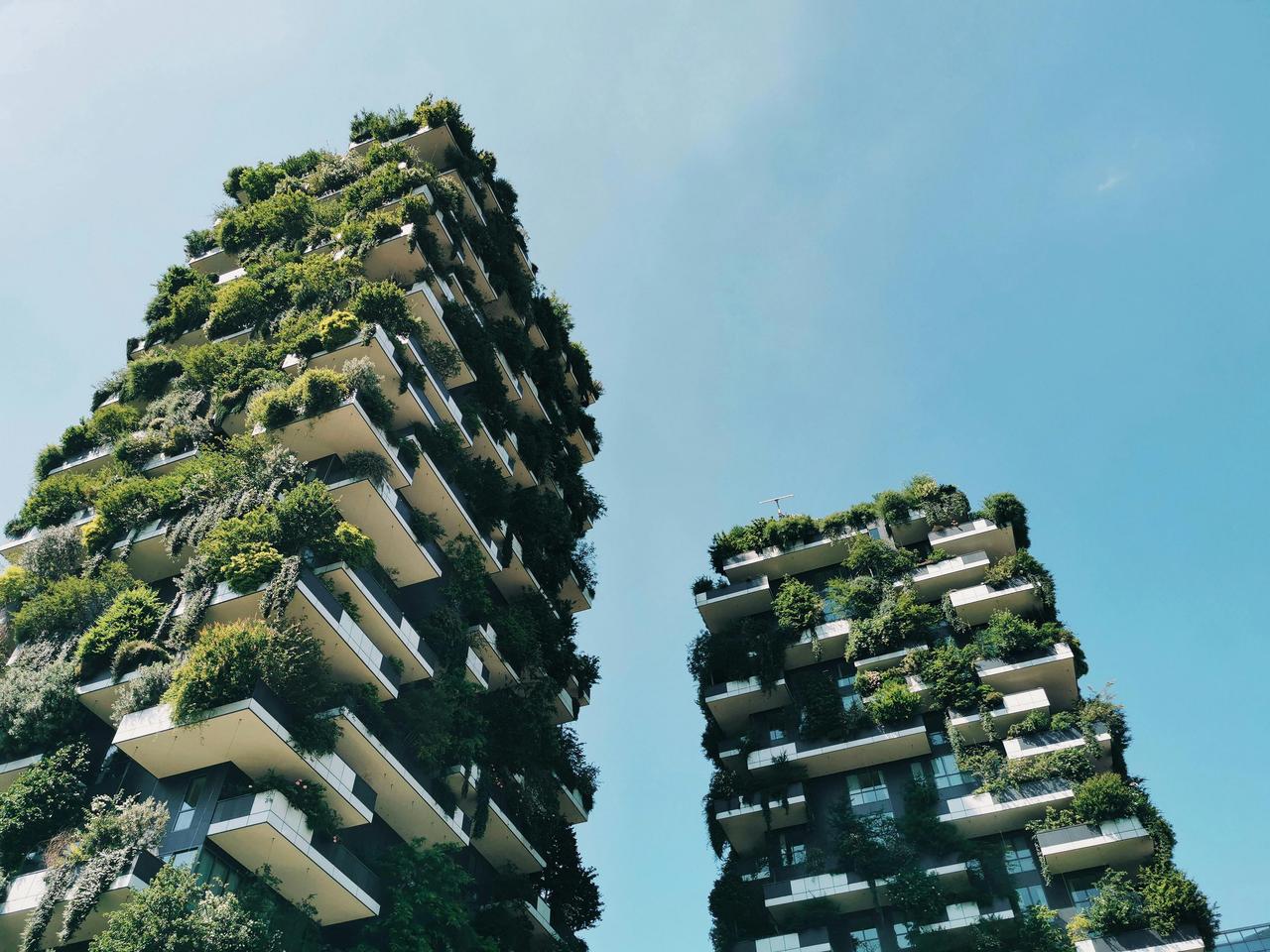
Bosco Verticale is a “vertical forest” model consisting of two residential towers located in Milan’s Porta Nuova district, constructed between 2007 and 2014. Developed by Stefano Boeri, this architectural approach aims to enhance the ecological resilience of metropolises by concentrating nature vertically rather than horizontally in dense urban environments. The project is also known for compressing the botanical diversity of approximately five hectares of natural park into an area of just 1,000 square meters.【1】 Indeed, Bosco Verticale has become a representative of a new urban ecosystem model in which nature is no longer seen as merely an accessory to architecture but as a foundational component of the built structure. For this reason, it is regarded as one of the first examples in modern high-rise typology where plant, human and animal life are integrated within the same physical structure.
The idea for Bosco Verticale was shaped by Boeri’s observations in 2007 of the heat reflections generated by glass and metal skyscrapers rising above the desert in Dubai.【2】 These buildings exacerbated overheating in their surroundings and on pedestrian walkways by reflecting sunlight, prompting the architect to seek an alternative architectural approach. At the same time, while beginning to design two high residential towers in a neglected area north of Milan, Boeri developed a concept that aimed to clad the building surfaces not with reflective materials but with leaves. Thus, the structures were conceived as biological organisms that harbor fauna and flora at the heart of the city and naturally regulate internal temperatures from within. This idea formed the first example of the vertical forest typology, which focuses on integrating nature-based solutions into architecture within modern cities.
Bosco Verticale (Stefano Boeri Architetti)
Bosco Verticale consists of two towers: one 110 meters high and the other 76 meters high, housing 800 trees, 4,500 shrubs and 20,000 plants of approximately 90 different species. Balconies are arranged in a stepped manner, projecting three meters outward on each floor, enabling the unobstructed growth of tree trunks and shrubs across up to three levels. Plant species are arranged according to the sun exposure of each facade: evergreen species are placed on the southwest-facing sides, while deciduous species are positioned on the northeast-facing sides. The ceramic panels used on the facades evoke the dark hue of tree bark; white ceramic details break the visual rhythm of the masses, balancing the architectural composition. In addition, the project comprises residential units with varying floor plans ranging from 60 to 400 square meters. Each apartment contains at least two trees, eight shrubs and forty plants.【3】

Bosco Verticale Drawings (Flickr)
The building’s ecological objective is to enhance biodiversity by creating a natural micro-ecosystem within the urban environment. The selection of plant species was determined not only by aesthetic considerations but also by environmental factors such as microclimate conditions, control of unwanted insect populations like mosquitoes, humidity levels and sunlight exposure. Dense vegetation increases the absorption of fine dust and carbon dioxide, enriches oxygen production and mitigates the urban heat island effect. The shading provided by trees and natural cooling through evaporation can reduce building surface temperatures by up to 30 degrees Celsius.
One of the significant impacts of Bosco Verticale is the improved microclimate it creates both inside the building and in its surroundings. The plants filter sunlight rather than reflecting it directly, resulting in indoor temperatures that are 2–3°C lower and a reduced demand for air conditioning. Satellite data from the European Space Agency on surface temperatures demonstrates that Bosco Verticale functions as a cooling core for Milan, providing thermal benefits comparable to those of the city’s larger park systems.【4】

Bosco Verticale Image (Flickr)
The plant components of Bosco Verticale cannot be altered by individual residents; the entire green facade is considered common property of the building. Maintenance is carried out by professional teams known as “flying gardeners,” who access balconies using ropes and safety equipment similar to those used in high-rise facade cleaning, performing pruning twice a year. Irrigation is controlled by a digital monitoring system that continuously analyzes the moisture and water needs of each planter. Water is supplied from underground sources and recycled greywater. Solar panels installed on the roof generate the energy required to operate the irrigation system.
Shortly after its completion, Bosco Verticale won international awards in architecture and sustainability, becoming a global reference project. The 2014 International High-Rise Award and the 2015 CTBUH World’s Best High-Rise Building Award were granted in recognition of the project’s technical and ecological innovation. In 2018, the Porta Nuova project was shortlisted for the MIPIM Awards, further confirming Bosco Verticale’s impact at the urban scale.【5】
BBC. "How High-Rise Forests Can Transform City Life and Make Us Happier." BBC Culture. Accessed November 15, 2025.
Otto, Sophie. "Bosco Verticale. jpg." Pexels. Accessed November 15, 2025. https://www.pexels.com/zh-cn/photo/19579742/
Romero, Fred. "Milano - Bosco Verticale. jpg." Flickr. Accessed November 15, 2025. https://www.flickr.com/photos/129231073@N06/20007238435
Stefano Boeri Architetti. "Vertical Forest." Stefano Boeri Architetti. Accessed November 15, 2025. https://www.stefanoboeriarchitetti.net/en/project/vertical-forest/#wp-video-lightbox/-1/
Stefano Boeri Architetti. "bosco verticale | autumn 2018." YouTube. Accessed November 15, 2025. https://www.youtube.com/watch?v=TLRka-FL8Po
準建築人手札. "Stefano Boeri Architetti - Bosco Verticale - Drawings 01.jpg." Flickr. Accessed November 15, 2025. https://www.flickr.com/photos/eager/7155294403/in/photostream/
[1]
Stefano Boeri Architetti, “Vertical Forest.” Stefano Boeri Architetti, erişim 15 Kasım 2025, https://www.stefanoboeriarchitetti.net/en/project/vertical-forest/#wp-video-lightbox/-1/
[2]
BBC, “How High-Rise Forests Can Transform City Life and Make Us Happier.” BBC Culture, erişim 15 Kasım 2025, https://www.bbc.com/culture/article/20250602-how-high-rise-forests-can-transform-city-life-and-make-us-happier
[3]
Stefano Boeri Architetti, “Vertical Forest.” Stefano Boeri Architetti, erişim 15 Kasım 2025, https://www.stefanoboeriarchitetti.net/en/project/vertical-forest/#wp-video-lightbox/-1/
[4]
Stefano Boeri Architetti, “Vertical Forest.” Stefano Boeri Architetti, erişim 15 Kasım 2025, https://www.stefanoboeriarchitetti.net/en/project/vertical-forest/#wp-video-lightbox/-1/
[5]
Stefano Boeri Architetti, “Vertical Forest.” Stefano Boeri Architetti, erişim 15 Kasım 2025, https://www.stefanoboeriarchitetti.net/en/project/vertical-forest/#wp-video-lightbox/-1/

History and Origin of the Design Concept
Architectural Features
Ecological Approach and Biodiversity
Maintenance and Management System
Awards and International Significance