

This article was automatically translated from the original Turkish version.
+2 More
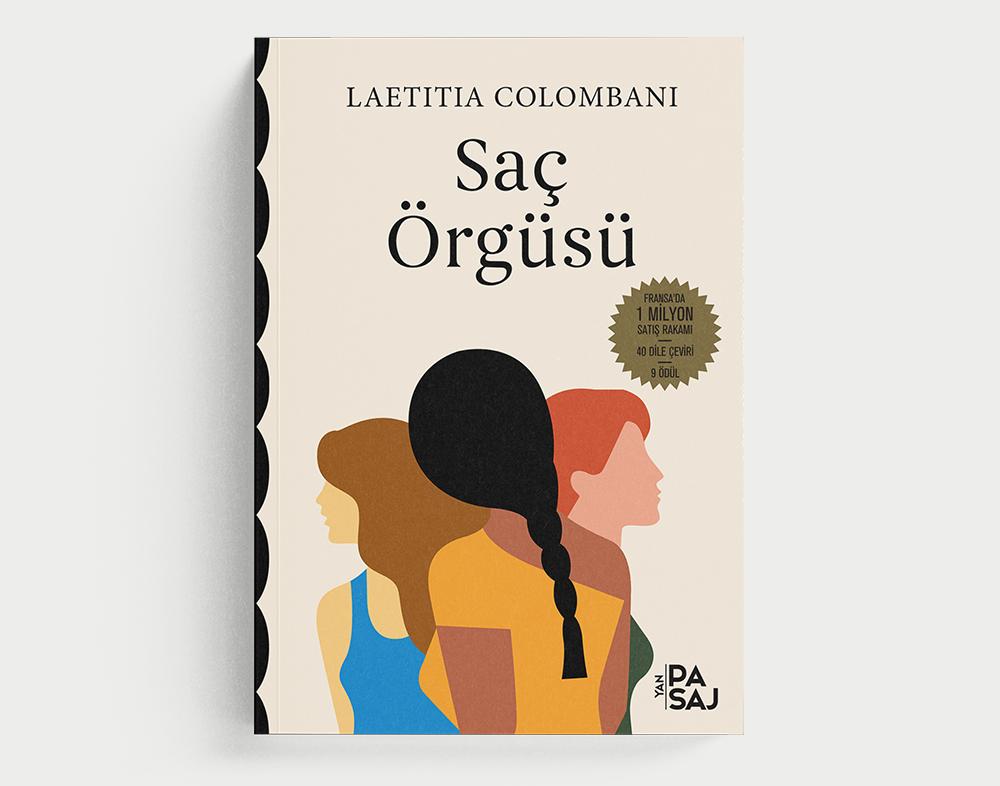
The Braid is a literary work by French author Laetitia Colombani. Translated into Turkish by Gülşah Ercenk and published by Yan Pasaj Yayınları, the book consists of 188 pages. The novel explores the life struggles of women in diverse social and cultural environments through the stories of three independent female characters.
The novel centers on the life stories of three women living in three different countries: Smita in India, Giulia in Italy, and Sarah in Canada. Though unaware of each other, these women have all endured similar trials. The work examines their challenges, societal positions, and personal struggles within their respective environments. The narrative unfolds through the events experienced by each character, and the three stories are structurally arranged in parallel fashion.
The work is composed of three main narratives. Although each story recounts an independent life journey, they come together within a unified structure. Each section of the novel is told from the perspective of a different character. This narrative technique allows for a detailed depiction of the social environments and living conditions in which each woman is embedded. At the end of the stories, the life paths of the three women are symbolically interconnected.
The novel highlights themes such as women’s social positions, roles within the family, economic dependence, cultural boundaries, and individual struggle. Concepts of liberation, resistance, and transformation are explored in various ways through each character’s story. Throughout the novel, the relationship between culture, tradition, and modernization is examined through the lived experiences of three women in different geographical contexts.
The novel features a simple narrative style. The sections are short and densely constructed. The language of narration is shaped to reflect the social environments in which each character lives. The portrayal of different cultures is achieved through local elements and vivid descriptions.
Colombani, Laetitia. *Saç Örgüsü*. Trans. Gülşah Ercenk. Yan Pasaj Yayınları, 2020. Accessed October 27, 2025. https://yanpasaj.com/kitap-detay/sac-orgusu
Colombani, Laetitia. Saç Örgüsü. Trans. Gülşah Ercenk. Yan Pasaj Yayınları, 2020.

Plot
Characters
Structure and Narrative Features
Themes
Language and Style