


This article was automatically translated from the original Turkish version.
+1 More
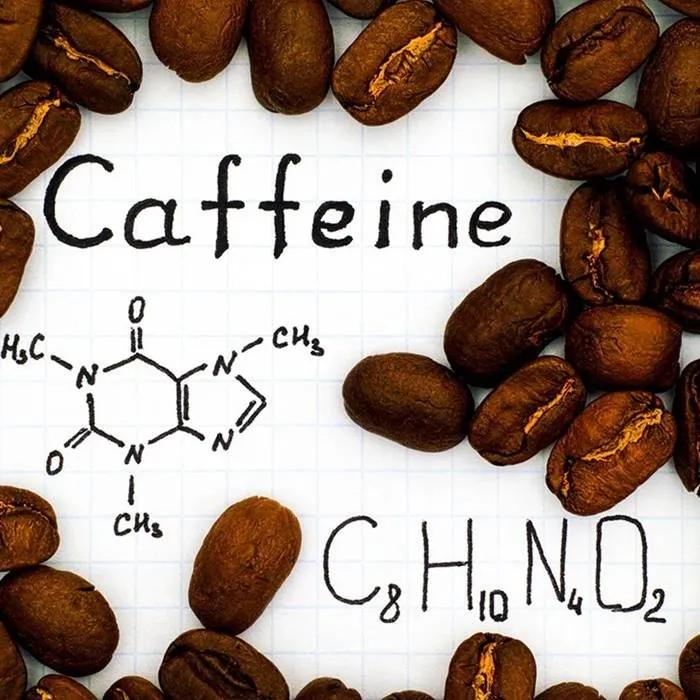
Caffeine
Formula | C₈H₁₀N₄O₂ | ||||||||
|---|---|---|---|---|---|---|---|---|---|
Boiling Point | 178 °C | ||||||||
Melting Point | 235 °C | ||||||||
Density | 1.23 g/cm³ | ||||||||
Molecular Weight | 194.194 g/mol | ||||||||
Chemical Name | 1,3,7-trimethylxanthine | ||||||||
CAS Number | 58-08-2 | ||||||||
Caffeine is one of the most widely consumed alkaloid compounds in the world and is found in coffee, tea, energy drinks, certain medications, and many food and beverage items. Caffeine, which has a stimulant effect on the central nervous system, temporarily enhances mental performance by increasing alertness. However, excessive consumption can lead to adverse health effects.
Caffeine is an alkaloid compound known as 1,3,7-trimethylxanthine. Chemically, it is a xanthine derivative with methyl groups attached. This structure forms the basis of caffeine’s biological effects. In nature, caffeine is most commonly found in coffee beans, tea leaves, cocoa beans, and some plants. Additionally, caffeine is used in many pharmaceutical products.

(Chemical Structure of Caffeine - Grunge)
Caffeine exerts its effects by binding to adenosine receptors in the central nervous system. Adenosine is a naturally occurring molecule in the body that promotes relaxation and sleep. By blocking adenosine receptors, caffeine prevents this molecule from exerting its calming effects, thereby keeping the brain more alert. Additionally, caffeine stimulates the release of neurotransmitters, enhancing brain function and leading to increased alertness, focus, and a sense of energy.
Alertness and Mental Performance
The most well-known benefit of caffeine is its ability to increase mental alertness. Many people consume caffeine in the morning or during periods of fatigue to feel more energetic. Consumption of caffeinated beverages such as coffee or tea can temporarily improve concentration, attention, and focus. Moreover, caffeine may enhance working memory and strengthen long-term memory.
Enhanced Physical Performance
Caffeine is also frequently used to improve physical performance. Athletes have found that caffeine has positive effects on physical endurance. By increasing the release of calcium in muscles, caffeine can help the body work more efficiently. This can improve performance, particularly in endurance-based activities.
Effects on Metabolism
Caffeine also exhibits metabolism-boosting effects. Some studies suggest that caffeine can increase fat oxidation and thus may aid weight loss efforts. Additionally, caffeine helps muscles work more efficiently, contributing to elevated energy levels.
Sleep Disturbances and Anxiety
Excessive caffeine consumption can cause insomnia. This is because caffeine blocks adenosine receptors involved in regulating sleep, thereby increasing alertness. This effect is especially noticeable after consuming caffeinated beverages late at night. Furthermore, high caffeine intake can lead to psychological symptoms such as anxiety, irritability, and tension.
Stomach Problems
Caffeine can increase stomach acid production, leading to nausea, reflux, and gastric ulcers. When consumed on an empty stomach, it may irritate the stomach lining and trigger digestive issues. Prolonged excessive caffeine consumption can have negative effects on the digestive system.
Risk of Dependence
Caffeine can have addictive properties. Individuals who regularly consume high amounts of caffeine may experience withdrawal symptoms such as headaches, fatigue, irritability, and depressed mood when they stop using it. These symptoms are considered indicators of caffeine dependence.
Daily Consumption Limit
The World Health Organization recommends that a healthy adult consume no more than 400 mg of caffeine per day. This amount is roughly equivalent to 3–4 cups of coffee. However, caffeine sensitivity varies among individuals, and some people may experience discomfort even with low doses.
Pregnancy and Special Conditions
Pregnant women and nursing mothers should be more cautious with caffeine intake. Caffeine can cross the placenta and reach the fetus, potentially affecting fetal development. Additionally, individuals with certain medical conditions are advised to limit their caffeine consumption.
Selecting Caffeinated Beverages
The choice of caffeinated beverages should be made carefully based on individual health needs. Healthier natural alternatives such as plain coffee or green tea are preferable to sugary, high-calorie energy drinks. Some herbal teas and beverages made with natural ingredients may also help balance caffeine intake.

(Table showing caffeine content in various beverages - Taft Coffee)
Use in Pharmaceutical Products
Caffeine is also present in some medications. It is commonly used in pain relievers, migraine treatments, and cold remedies to enhance the analgesic effects of other drugs. Caffeine is combined with other medications to help relieve pain more effectively.
Caffeine in Cosmetic Products
Caffeine is used in the cosmetics industry as well. It is found in skincare products, particularly anti-aging formulations. Caffeine has benefits such as reducing puffiness and revitalizing the skin by improving blood circulation in the skin.
Johnson, Mark, and Tom Walker. "Caffeine and Its Impact on Physical Performance: A Review of the Literature." Sports Medicine 45, no. 2 (2019): 101-112.
Lee, Han, and Yuna Kim. "Caffeine in Cosmetics: Benefits and Applications." Journal of Cosmetic Science 28, no. 3 (2023): 202-215.
Lutz, Thomas A. "The Biology of Caffeine and Its Mechanism of Action." Physiology and Pharmacology 33, no. 7 (2018): 45-56.
National Institute on Drug Abuse. "Caffeine: Health Effects and Risks." National Institutes of Health, 2022.
Smith, John. "Caffeine: Effects on Health and Performance." Journal of Nutritional Science 12, no. 4 (2021): 251-263.
World Health Organization. "Caffeine Consumption Guidelines." Accessed February 12, 2025. https://www.who.int/

Caffeine
Formula | C₈H₁₀N₄O₂ | ||||||||
|---|---|---|---|---|---|---|---|---|---|
Boiling Point | 178 °C | ||||||||
Melting Point | 235 °C | ||||||||
Density | 1.23 g/cm³ | ||||||||
Molecular Weight | 194.194 g/mol | ||||||||
Chemical Name | 1,3,7-trimethylxanthine | ||||||||
CAS Number | 58-08-2 | ||||||||
No Discussion Added Yet
Start discussion for "Caffeine and Its Effects on Health" article
Chemical Structure
Mechanism of Action
Health Benefits of Caffeine
Adverse Health Effects of Caffeine
Recommendations for Caffeine Consumption
Other Uses of Caffeine