


This article was automatically translated from the original Turkish version.
+2 More
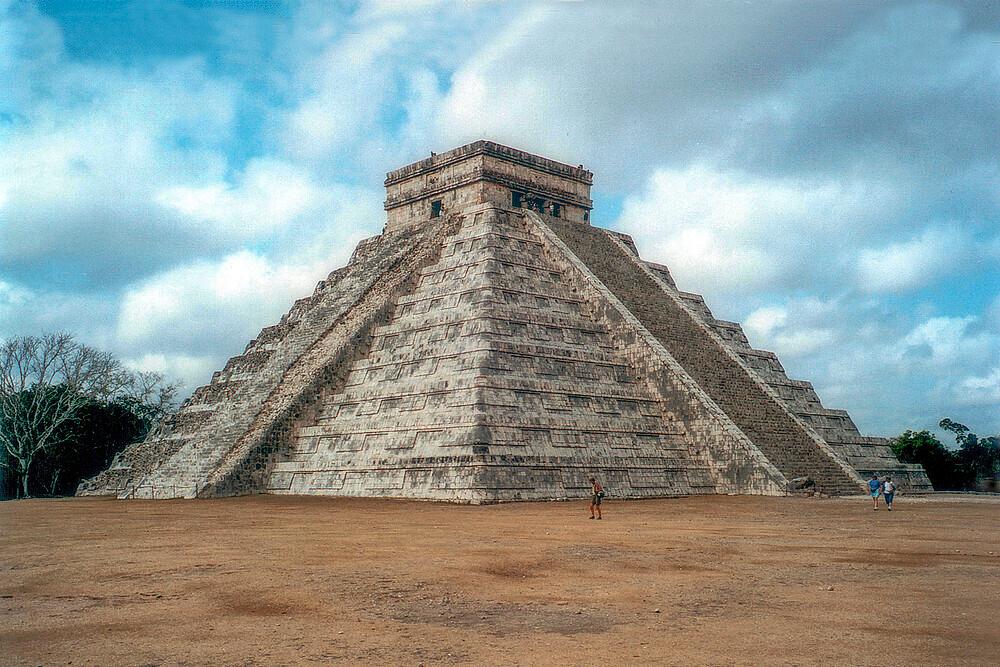
Chichen Itza is one of the most significant and best-known archaeological sites from the Pre-Hispanic period, located on the Yucatán Peninsula in México. This ancient city, bearing traces of various civilizations over a period of approximately 1,000 years, is particularly recognized as a representative of the architectural and artistic synthesis of the Maya and Toltec cultures. The architectural forms of its structures, their relationship with astronomical alignments, artistic reliefs, and urban planning provide tangible evidence of the region’s historical development.
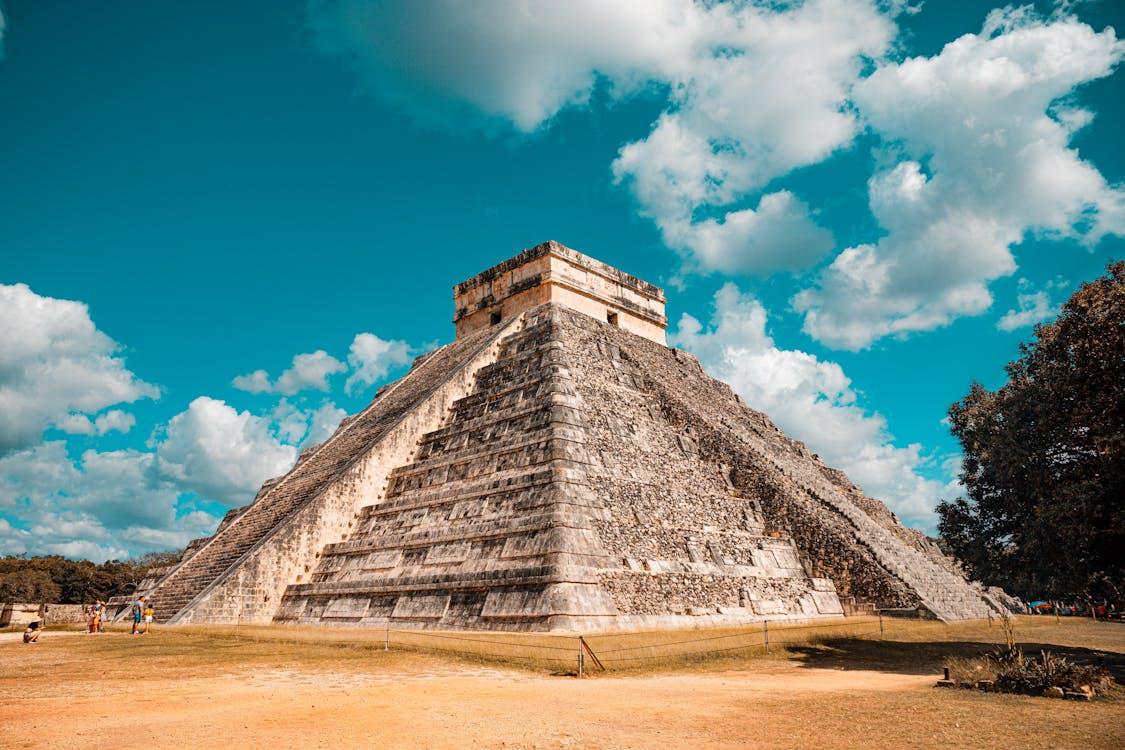
Chichen Itza (Pexels)
The name Chichen Itza derives from the Yucatec Maya language and means “at the mouth of the well of the Itza.” This name is directly linked to the large limestone sinkhole known as the Cenote Sagrado. This natural water source was considered sacred due to the offerings of sacrifices and valuable objects deposited into it. The city was established on the northern Yucatán plateau, an area with limited water resources, precisely because of its proximity to natural wells known as cenotes.
Various sources provide differing dates for the settlement history of Chichen Itza. According to some manuscripts, the city’s origins extend as far back as the 5th century; for instance, one source cites 415–435 CE while another identifies 455 CE as the founding date. Around the initial settlement area known as Chichen Viejo, structures reflecting Classic Maya style were constructed, including the Palace of the Nuns (Las Monjas), the Church (La Iglesia), Akab Dzib, Chichan Chob, the Temple of the Panniers, and the Temple of the Deer. These structures were built between the 6th and 10th centuries and exhibit typical features of Maya architecture.
By the 10th century, it is widely accepted that Toltec warriors migrated from the Mexican plateau into the region. During this period, the Toltec ruler Ce Acatl Topiltzin Quetzalcoatl was identified with the figure known in Maya as Kukulcan, and is believed to have taken control of Chichen Itza (approximately 967–987 CE). Following this event, a period of fusion between Maya and Toltec cultures began.
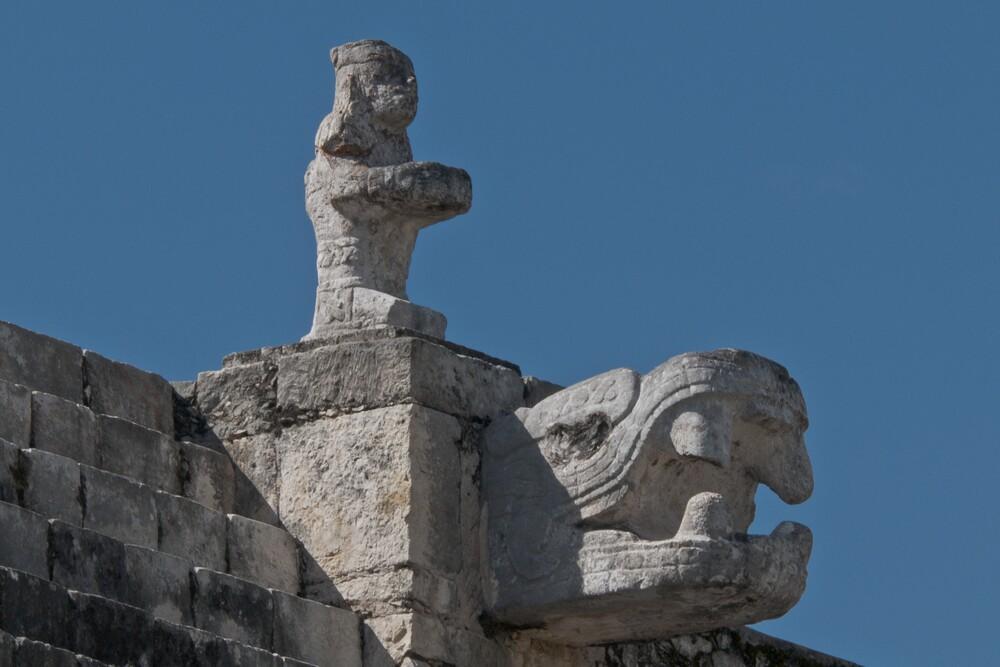
Chichen Itza (UNESCO)
Chichen Itza contains numerous structures that reflect both Maya and Toltec architectural traditions. In the northern part of the city, buildings show clear Toltec influence, while in the south, structures are characteristic of Classic Maya style. Key structures include:
Other structures such as the Jaguar Temple, the House of the Eagles, and the High Priest’s Grave also reflect this cultural synthesis.
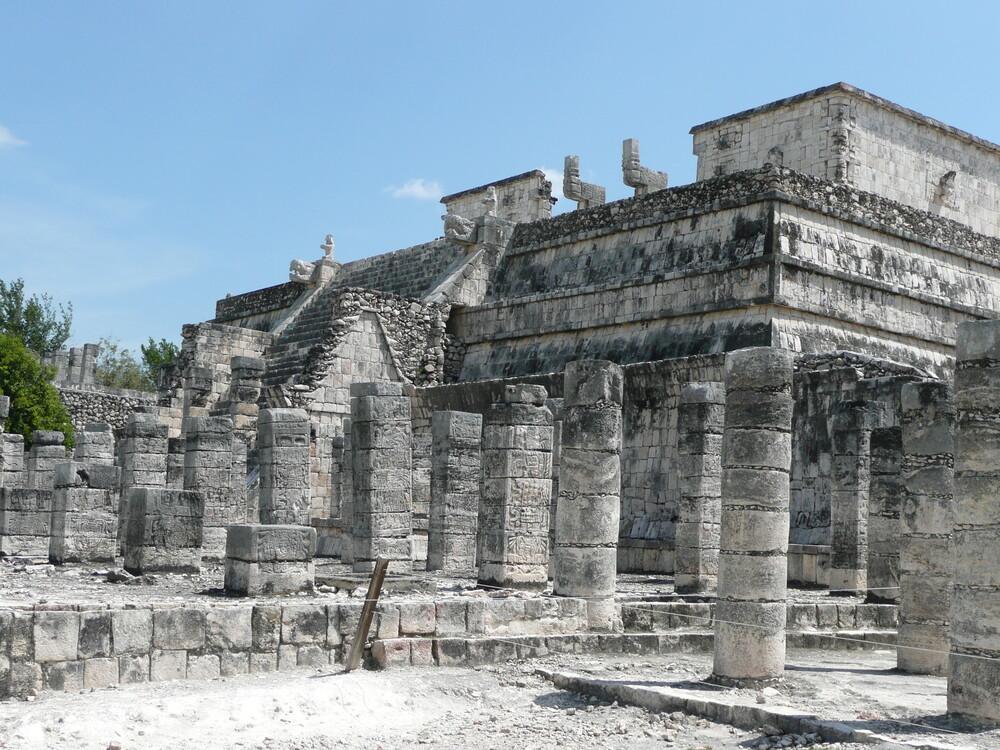
Temple of the Warriors (UNESCO)
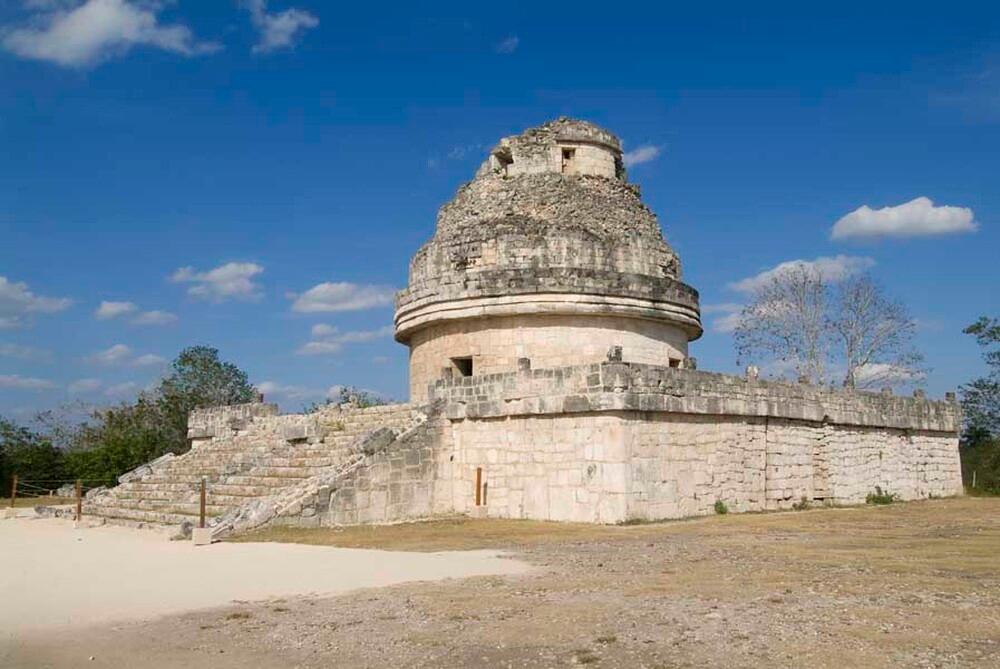
Caracol (UNESCO)
Chichen Itza was designated a World Heritage Site by UNESCO in 1988. This status is justified by three main criteria:
Chichen Itza is protected under the Federal Law on Monuments and Archaeological, Artistic and Historic Zones of 1972. Additionally, it was officially declared an archaeological monument by presidential decree in 1986. Its preservation is a shared responsibility between the National Institute of Anthropology and History (INAH) and the Yucatán Council for Culture and Tourism Services.
Daily visitor numbers range from an average of 3,500 during low seasons to as many as 8,000 during peak seasons. This high level of tourism creates significant pressure on the site’s conservation. Intense visitation, inadequate infrastructure, and the organization of events on-site pose various risks to the site’s authenticity and physical integrity. Furthermore, a comprehensive emergency plan and a regular monitoring program are still lacking. Greater allocation of resources and the implementation of sustainable management tools are necessary for long-term preservation.
Pexels. "Mavi Gökyüzü Altında Gri Beton Bina." Accessed May 2, 2025. https://www.pexels.com/tr-tr/fotograf/mavi-gokyuzu-altinda-gri-beton-bina-3591074/
UNESCO Dünya Heritage Centre. "Chichen-Itza’s Pre-Columbian City – Gallery 1." Accessed May 2, 2025. https://whc.unesco.org/en/list/483/gallery/&index=1&maxrows=12
UNESCO Dünya Heritage Centre. "Chichen-Itza’s Pre-Columbian City." Accessed May 2, 2025. https://whc.unesco.org/en/list/483/
UNESCO Dünya Heritage Centre. “Chichen-Itza’s Pre-Columbian City – Gallery 13.” Accessed May 2, 2025. https://whc.unesco.org/en/list/483/gallery/&index=13&maxrows=12
UNESCO Dünya Heritage Centre. “Chichen-Itza’s Pre-Columbian City – Gallery 25.” Accessed May 2, 2025. https://whc.unesco.org/en/list/483/gallery/&index=25&maxrows=12
World History Encyclopedia. "Chichen Itza." Accessed May 2, 2025. https://www.worldhistory.org/Chichen_Itza/

Location and Etymology
Historical Development
Architectural Structures and Monumental Complexes
Cultural Significance and UNESCO World Heritage Status
Conservation, Management and Visitor Impact