


This article was automatically translated from the original Turkish version.
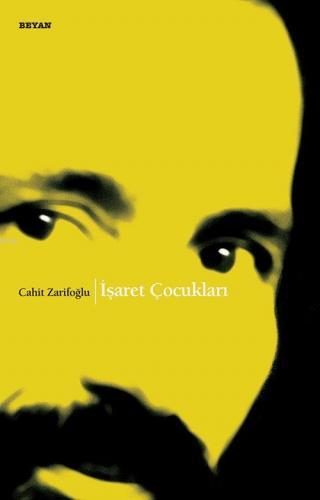
Children of Signs (Book)
Author(s) | Cahit Zarifoğlu | ||||||||
|---|---|---|---|---|---|---|---|---|---|
Publisher(s) | Beyan Yayınları | ||||||||
First Edition Year | 1967 | ||||||||
Type(s) | Poetry | ||||||||
Number of Pages | 96 | ||||||||
Children of Signs is the first poetry collection by Cahit Zarifoğlu, published in 1967. This work stands out in Turkish literature for its synthesis of modern poetry with metaphysical sensitivity. In this book, Zarifoğlu explores themes such as the individual society belief and childhood through a poetic language. Traces of the linguistic and thematic features that would characterize his later works are already present in this volume.
The book consists of poems centered on the individual’s effort to understand themselves and their surroundings. Themes such as inner reflection spirituality memories of the past and social issues are addressed. Zarifoğlu’s poetic language is distinguished by abstract imagery and layered narratives.
A prominent theme in the poems is the inward turn of the individual and the questioning of the meaning of existence.
Memories of childhood are woven into the poems through imagery serving as a symbol of both personal and universal purity.
The relationship between the modern individual and society is examined within a poetic context through concepts such as loneliness and alienation.
Sufi themes such as surrender patience and divine connection appear in some poems through indirect expressions.
The inner conflicts experienced by the individual within the framework of good and evil are expressed through metaphor.
Zarifoğlu’s poetic language departs from classical forms and exhibits an abstract and multi layered structure. His intensive use of imagery unconventional metaphors and fragmented narrative style are notable. The poet’s language demands active interpretation from the reader.
Zarifoğlu, Cahit. İşaret Çocukları. 1. baskı. İstanbul: Beyan Yayınları, 2013.

Children of Signs (Book)
Author(s) | Cahit Zarifoğlu | ||||||||
|---|---|---|---|---|---|---|---|---|---|
Publisher(s) | Beyan Yayınları | ||||||||
First Edition Year | 1967 | ||||||||
Type(s) | Poetry | ||||||||
Number of Pages | 96 | ||||||||
No Discussion Added Yet
Start discussion for "Children of Signs (Book)" article
Subject of the Book
Content and Themes
Childhood and Innocence
Social Awareness and Alienation
Sufi Concepts
Moral Values
Stylistic Features