


This article was automatically translated from the original Turkish version.
+2 More
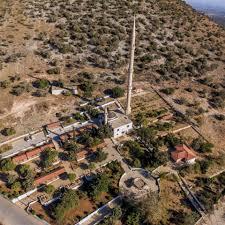
Companions of the Cave (Tarsus)
Province(s) | Mersin | ||||||||
|---|---|---|---|---|---|---|---|---|---|
District | Tarsus | ||||||||
Location | Near Dedeler Village 14 km north of Tarsus | ||||||||
Sacredness | Considered sacred in both Islamic and Christian beliefs | ||||||||
Structure(s) | Mosque fountain and附属设施 small mosque caravanserai | ||||||||
Popular Name | The Seven Sleepers | ||||||||
Eshab-ı Kehf Mağarası is located within the boundaries of the Tarsus district of Mersin province in Türkiye. It is situated approximately 12 kilometers north of Tarsus, near Dedeler Village. Access to the area is provided via asphalt roads, and visitors can reach the cave by private vehicle or public transportation from the Tarsus district center. The road conditions offer easy access for visitors.
The story associated with the cave involves seven young men and a dog (Kıtmir) who sought refuge in the cave to preserve their faith against a polytheistic regime. According to tradition, these youths slept within the cave for many years before awakening. This event is also known in popular culture as the legend of the “Seven Sleepers.” This cave in Tarsus is regarded as one of the locations associated with this story.

Eshab-ı Kehf (Anadolu Agency)
The Eshab-ı Kehf Cave is regarded in Islamic tradition as the cave of the “Seven Sleepers” mentioned in Surah Al-Kahf of the Qur’an. A similar legend exists in Christianity, and the cave is considered sacred in both Islamic and Christian beliefs. In this regard, the cave holds significant importance for faith-based tourism.

Eshab-ı Kehf (Anadolu Agency)
Around the cave, architectural structures dating especially from the Ottoman period can be found. During the reign of Sultan Abdülhamid II, in 1873, a mosque and a caravanserai were constructed around the cave to serve pilgrims visiting the site. The mosque remains standing and is open for worship. Additionally, the area includes a small mosque, a fountain, and other auxiliary structures.
The Eshab-ı Kehf Cave is currently open to visitors and attracts both domestic and international tourists. The area has been placed under protection by the Tarsus Sub-Governorship and related institutions, with environmental improvements carried out. Visitor numbers increase significantly during religious holidays. Revered as sacred by the local community, this site is valued not only for faith-based tourism but also as part of the region’s cultural heritage.
Anadolu Ajansı. “309 yıllık kutsal uykunun hikayesi: Ashab-ı Kehf.” aa.com.tr. Accessed June 18, 2025. https://www.aa.com.tr/tr/kultur-sanat/309-yillik-kutsal-uykunun-hikayesi-ashab-i-kehf/551946
Anadolu Ajansı. “Ashab-ı Kehf'e ramazan ilgisi.” Accessed June 18, 2025. https://www.aa.com.tr/tr/ramazan-2017/ashab-i-kehfe-ramazan-ilgisi/834684
Tarsus Kaymakamlığı. "Eshab-ı Kehf Mağarası." tarsus.gov.tr. Accessed June 18, 2025. http://www.tarsus.gov.tr/eshab-ikehf.
Şenesen, Refiye. “Pagandan Hıristiyanlık ve Müslümanlığa Bir İnanç Merkezi: Ashab-ı Kehf ve Günümüzde Tarsus Ashab-ı Kehf'te Hıdrellez Şenlikleri.” Çukurova Üniversitesi Türkoloji Araştırmaları Merkezi. Accessed June 18, 2025. https://turkoloji.cu.edu.tr/CUKUROVA/makaleler/31.php.

Companions of the Cave (Tarsus)
Province(s) | Mersin | ||||||||
|---|---|---|---|---|---|---|---|---|---|
District | Tarsus | ||||||||
Location | Near Dedeler Village 14 km north of Tarsus | ||||||||
Sacredness | Considered sacred in both Islamic and Christian beliefs | ||||||||
Structure(s) | Mosque fountain and附属设施 small mosque caravanserai | ||||||||
Popular Name | The Seven Sleepers | ||||||||
No Discussion Added Yet
Start discussion for "Companions of the Cave (Tarsus)" article
History
Religious and Cultural Significance
Architectural Structures and Environmental Features
Visitation and Conservation Status