


This article was automatically translated from the original Turkish version.
+1 More
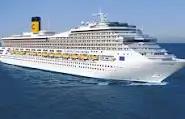
The Costa Concordia Disaster refers to the incident on 13 January 2012 when the passenger ship Costa Concordia ran aground and capsized off the coast of Italy’s Giglio Island. The accident resulted in the deaths of 32 people and is recorded as one of the most prominent safety violations in modern maritime history. The disaster revealed not only a navigational error but also a series of systemic failures involving organizational improvisation, authority deficits, human factors, and inadequate safety culture.
Costa Concordia was a luxury passenger ship operated by Costa Crociere, a subsidiary of Carnival Corporation. On the night of the accident, the 290-meter-long vessel was carrying 1,023 crew members and 3,206 passengers. While en route from Civitavecchia to Savona, Captain Francesco Schettino ordered an unauthorized “sail-by salute” maneuver, deviating from the planned course. The ship struck underwater rocks off Giglio Island, causing a 53-meter-long tear in its hull. The engine room flooded and the electrical systems failed.
The evacuation was delayed. For the first hour, the captain told passengers and authorities that the incident was merely an “electrical fault.” The evacuation lasted approximately six hours and became chaotic due to poor organization. Captain Schettino abandoned the ship before the evacuation was complete. As a result of the disaster, 32 people lost their lives.
The wreckage of the Costa Concordia being removed (YouTube)
Academic analyses have evaluated the Costa Concordia disaster not merely as an individual error but as a case of organizational improvisation. This concept refers to deviations from established rules carried out simultaneously with planning and execution, often deliberately.
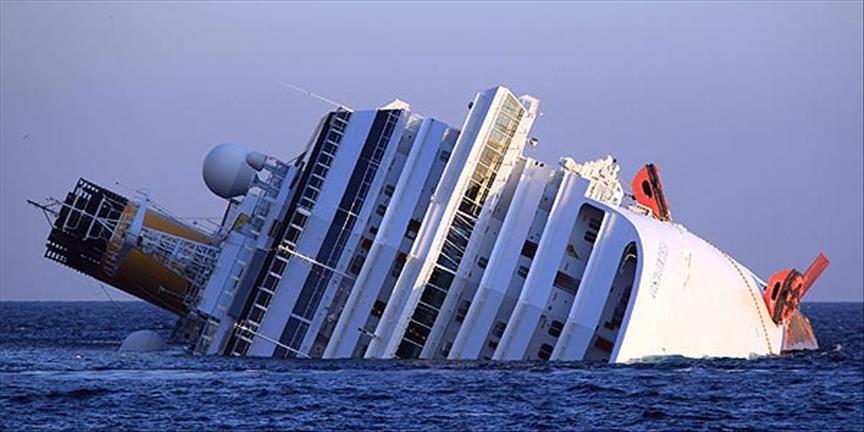
The Capsized Ship (AA)
This situation illustrates the dark side of improvisation: the appearance of compliance with formal rules while effectively undermining them. This case demonstrates that even in high-reliability organizations, improvisation can lead to catastrophe.
Post-accident investigations revealed that the Costa Concordia disaster was not merely a chain of individual errors but the result of layered systemic failures including institutional blindness, erosion of standards, lack of oversight, and risky organizational improvisation. The incident underscored the urgent need to rebuild safety culture in the maritime industry. Following the investigation and legal proceedings, Captain Schettino was sentenced to 16 years in prison.

No Discussion Added Yet
Start discussion for "Costa Concordia Disaster" article
Technical Details and Incident Summary
Causes of the Disaster: The Dark Side of Organizational Improvisation
Key Contributing Factors:
Consequences