This article was automatically translated from the original Turkish version.
Type of Geographical İndication | Place of Origin | ||||||||
|---|---|---|---|---|---|---|---|---|---|
Registration Number | 273 | ||||||||
Registration Date | 13.12.2017 | ||||||||
Product / Product Group(s) | Butter Including Solid and Liquid Fats | ||||||||
Province(s) | Balıkesir | ||||||||
Applicant/Registrant(s) | Edremit Chamber of Commerce | ||||||||
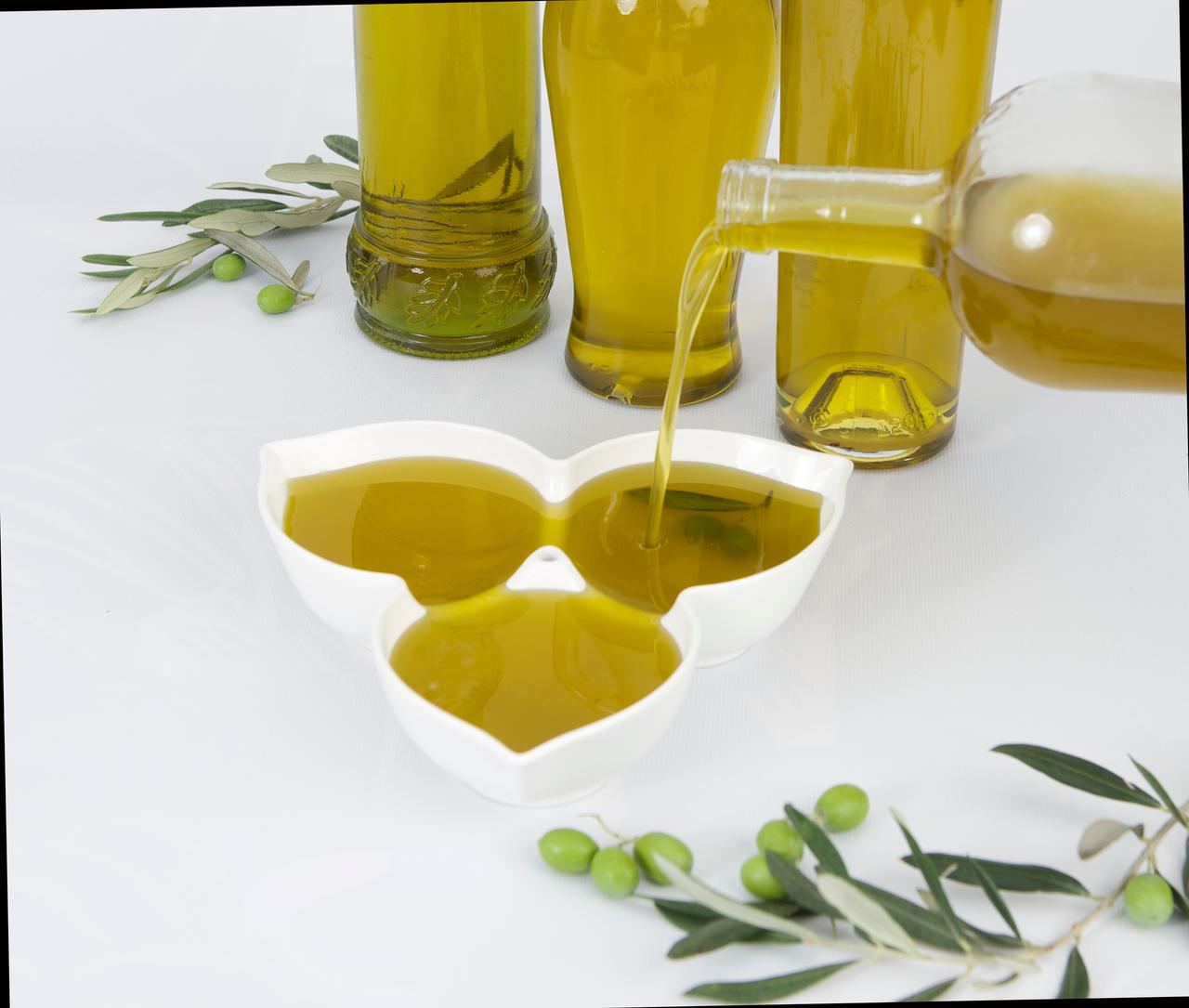
Edremit olive oil is a natural extra virgin olive oil obtained from Ayvalık variety olives grown in the district of Edremit and its surrounding areas within Balıkesir province of Türkiye, distinguished by its sensory and chemical properties. It was officially registered as a geographical indication on 13 December 2017 by the Edremit Chamber of Commerce and is protected under Law No. 6769 on Industrial Property.
The production area of Edremit olive oil features a unique microclimate bounded by the Kaz Mountains to the north, the Mıhlı Creek and Küçükkuyu Village to the west, and the districts of Havran and Burhaniye to the east. This region is protected from harsh winds by natural barriers such as the Kaz Mountains and Madra Mountains, while moist imbat winds blowing from the Edremit Gulf enable olive trees to thrive even during dry years without damage. The soil structure varies between clayey-loamy, loamy, clayey, and sandy-loamy types.
Edremit olive oil is recognized by its fruity aroma perceived through the nose and retro-nasal pathway. At least one or more of the following aromas—cherry almond, golden apple, vanilla, flowers, banana peel, grass, green fruity, hazelnut, fresh walnut, artichoke, and tomato—are detected at low or medium intensity. During tasting, it leaves a light, fluid sensation in the mouth, often described as “watery.” Oil extracted from olives harvested at full maturity produces a slightly sweet impression on the tongue. Pungency and bitterness are generally low to medium, characterized by a black pepper-like spiciness and a mild tingling sensation in the throat.
Edremit olive oil meets the quality and purity criteria established by the Turkish Food Codex for natural extra virgin olive oil. The alpha-tocopherol (vitamin E) content is at least 150 mg/kg, supporting the oil’s antioxidant capacity and nutritional value.
Olive harvesting begins in mid-October and continues until the end of February. Only olives collected directly from trees by hand or machine, without contact with the ground, are used; fallen olives are strictly excluded. Harvested olives are transported in plastic crates that allow air circulation and processed within 10 hours.
After cleaning and washing, the olives undergo crushing, malaxation, extraction, and separation. During malaxation, the temperature must not exceed 27°C and the duration must not exceed 45 minutes. The oil is separated using two-phase or three-phase decanter systems. Storage is carried out in stainless steel tanks with minimal exposure to air. If packaging occurs outside the region, transport equipment must be food-grade and cleanable.
The production and use of the geographical indication for Edremit olive oil are monitored at least once annually under the coordination of the Edremit Chamber of Commerce. The monitoring board consists of representatives from the Edremit Chamber of Commerce, Edremit Vocational School, Edremit District Directorate of Agriculture and Forestry, and the Edremit Chamber of Commerce and Industry. Sensory analyses and quality tests are conducted in public or private laboratories as needed. The registering institution holds the authority to manage legal proceedings.
Turk Patent and Trademark Office. "Edremit Zeytinyağı." Geographical Indications Portal. Accessed October 19, 2025. https://ci.turkpatent.gov.tr/cografi-isaretler/detay/38284.
Turkish Patent and Trademark Office. "Edremit Zeytinyağı" Certificate of Registration. Accessed October 19, 2025. https://ci.turkpatent.gov.tr/Files/GeographicalSigns/1d589d10-c776-4042-8cff-5c8ca1775b90.pdf.

Type of Geographical İndication | Place of Origin | ||||||||
|---|---|---|---|---|---|---|---|---|---|
Registration Number | 273 | ||||||||
Registration Date | 13.12.2017 | ||||||||
Product / Product Group(s) | Butter Including Solid and Liquid Fats | ||||||||
Province(s) | Balıkesir | ||||||||
Applicant/Registrant(s) | Edremit Chamber of Commerce | ||||||||
Geographical Boundary and Natural Conditions
Sensory Characteristics
Chemical and Physical Properties
Production Process
Monitoring and Protection