


This article was automatically translated from the original Turkish version.
+1 More
Sekiz Köşe Şapka is a traditional male headwear unique to Elazığ province in Türkiye. The hat derives its name from its octagonal geometric shape and serves as a complementary element of the regional traditional attire. This type of headwear, deeply embedded in the cultural memory of Elazığ, represents an original example within local handicraft traditions.
Sekiz Köşe Şapka (Elazığ Provincial Directorate of Culture and Tourism)
The Sekiz Köşe Şapka is designed in an octagonal form, regarded as both an aesthetic and technical craft product. Its shape bears resemblance to the octagonal motifs frequently found in Seljuk architecture and decorative arts. This similarity has prompted the hypothesis that the hat may have been influenced by historical artistic traditions. Its production relies on manual craftsmanship and is made using local materials such as felt.
Each of the hat’s eight corners is associated with specific moral and social values. Within Elazığ’s cultural discourse, these corners represent concepts such as generosity, bravery, honesty, heroism, diligence, hospitality, humility, and patriotism. This symbolic structure is regarded as a tangible expression of local societal values.
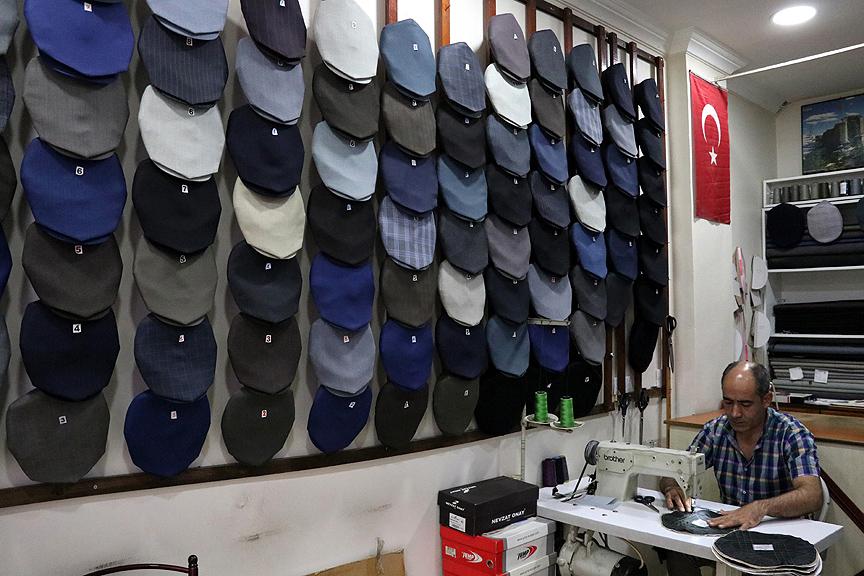
Sekiz köşeli şapka (Anadolu Agency)
The Sekiz Köşe Şapka has long been worn as part of traditional male attire in Elazığ province. Until the mid-20th century, it was commonly worn in daily life, but over time it lost its place in everyday use. Today, its production continues within the context of folk dances, cultural promotion events, and local handicraft initiatives. The hat is regarded as part of the region’s intangible cultural heritage.
Anadolu Ajansı. "Amca-Yeğen 8 Köşeli Şapka İçin Mesaide." Accessed July 3, 2025. https://www.aa.com.tr/tr/yasam/amca-yegen-8-koseli-sapka-icin-mesaide-/1291538
Elazığ İl Kültür ve Turizm Müdürlüğü. "SEKİZ KÖŞELİ ŞAPKA / ELAZIĞ." YouTube. Accessed July 3, 2025. https://www.youtube.com/watch?v=ScHbaqg7UOI
T.C. Ministry of Culture and Tourism. "Sekiz Köşe Şapka - Elazığ." Türkiye Kültür Portalı. Accessed July 3, 2025. https://www.kulturportali.gov.tr/turkiye/elazig/kulturatlasi/8-kose-sapka
T.C. Ministry of Culture and Tourism. "Sekiz Köşe Şapka - Elazığ." Türkiye Kültür Portalı. Accessed July 3, 2025. https://www.kulturportali.gov.tr/turkiye/elazig/nealinir/sekiz-kose-sapka

Design Features
Symbolic Meanings
Historical and Cultural Context