


This article was automatically translated from the original Turkish version.
+2 More
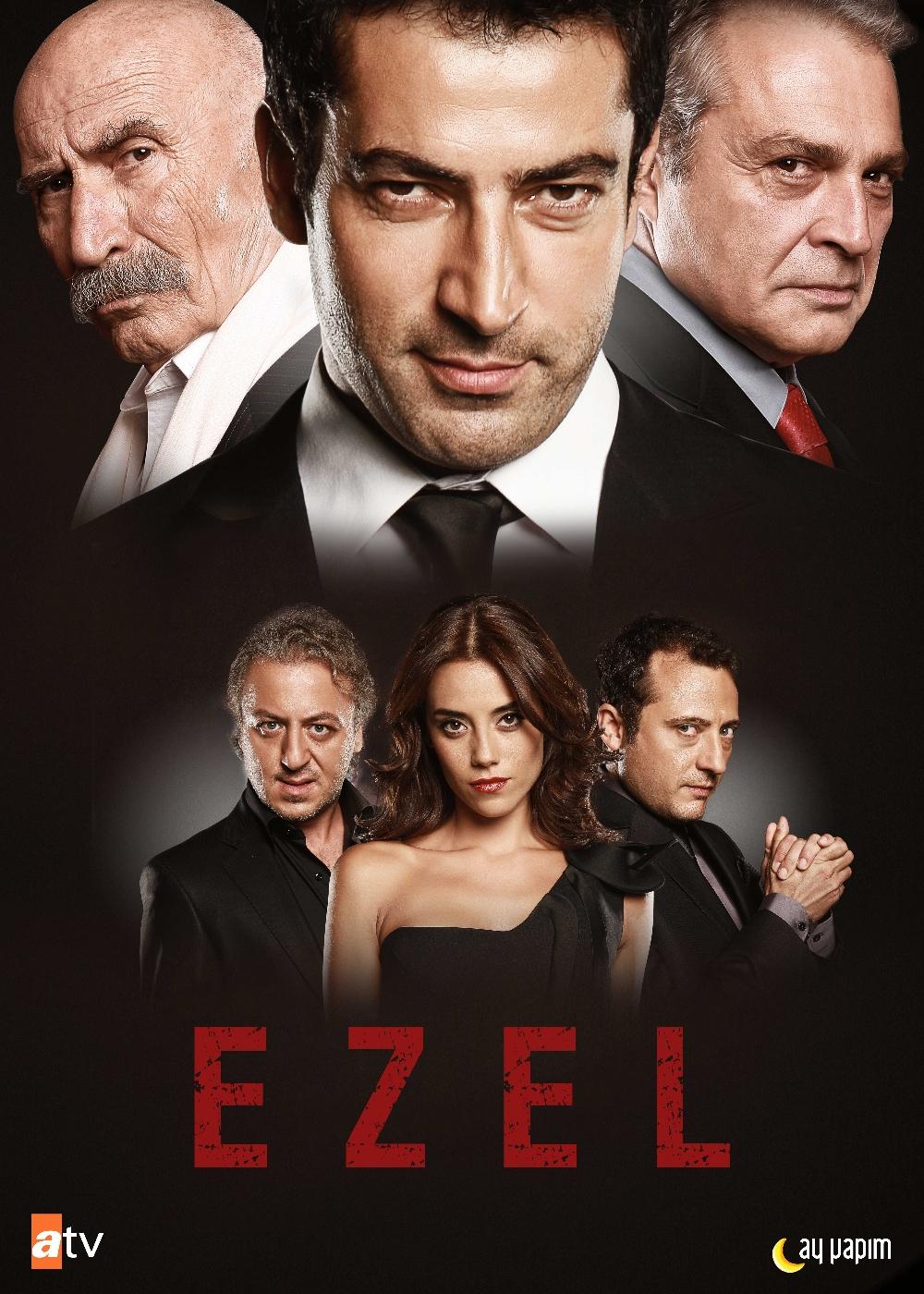
Ezel (TV Series)
Door | Action Drama | ||||||||
|---|---|---|---|---|---|---|---|---|---|
Director | Uluç Bayraktar | ||||||||
Screenwriter | Kerem Deren Pınar Bulut | ||||||||
Music | Toygar Işıklı | ||||||||
Number of Episodes | 71 | ||||||||
Number of Seasons | 2 | ||||||||
Actor | Kenan İmirzalıoğlu Sarp Akkaya Barış Falay Yiğit Özşener Haluk Bilginer Tuncel Kurtiz Cansu Dere | ||||||||
Between 2009 and 2011, Ezel, broadcast in Türkiye, became one of the most notable series in Turkish television history due to its dramatic structure, screenplay, and character depth. The series, centered on a modern tale of revenge, was inspired by Alexandre Dumas’s novel The Count of Monte Cristo.
Produced by Ay Yapım and initially aired on Show TV before moving to Atv, Ezel gained a wide audience both in Türkiye and abroad.
The series follows the story of a young man named Ömer Uçar, who is betrayed by his closest friends and lover, leading to his imprisonment. Years later, he returns under a new identity—Ezel Bayraktar—to seek revenge. His transformation, both physical and mental, is shaped by the education he receives from Ramiz Karaeski, a man he meets in prison, forming the core dramatic structure of the series. The narrative, which explores themes of betrayal, loyalty, justice, and identity, is woven with elements of suspense into a compelling tale of revenge.
Ezel is a production by Ay Yapım. The screenplay was written by Kerem Deren and Pınar Bulut, and the series was directed by Uluç Bayraktar. It began its first season on Show TV and transferred to Atv for its second season. The series consists of two seasons and 71 episodes. It is regarded as a production far ahead of its time due to its high production quality, cinematic visuals, and use of music.

Ezel (Ay Yapım)
The main character, portrayed by Kenan İmirzalioğlu, is the central figure carrying the dramatic weight of the series. During his years in prison, he transforms his identity from Ömer Uçar to Ezel Bayraktar. The character embodies a tragedy caught between justice and revenge, undergoing profound physical and psychological change.
The character of Eyşan, portrayed by Cansu Dere, functions as both a lover and a figure of betrayal. Shaped by emotional conflict and the burden of the past, Eyşan is one of the most complex characters in the series.
Ramiz Dayı, portrayed by Tuncel Kurtiz, is one of the philosophical and narrative centers of the series. With a past entangled in organized crime, this character serves as a mentor to Ezel while also embodying the weight of the past, adding thematic depth.
Yiğit Özşener (Cengiz) and Barış Falay (Ali) play Ömer’s former friends and co-conspirators in the betrayal. Both characters stand out through their individual motivations and regrets, eventually becoming central elements in the series’ dramatic unraveling.
Ezel diverges from classical revenge narratives by focusing on character psychology and identity transformation. Through themes of friendship, betrayal, love, loyalty, and time, the series explores universal ideas such as the desire to alter one’s fate and the reckoning with the past. The “story within a story” structure used in the series presents the characters’ confrontations with their pasts in a dramatically cohesive manner.
The series possesses a level of visual and narrative richness rarely seen in Turkish television. Cinematography is used effectively, particularly in flashbacks and time transitions, while the music enhances emotional intensity. The compositions by Toygar Işıklı stand out as one of the strongest elements in establishing the series’ atmosphere.
Ezel received high viewership ratings and positive critical reception during its broadcast. It earned praise from both audiences and critics for its acting performances and the layered structure of its screenplay. However, some episodes were criticized for logical inconsistencies and pacing issues. The series is regarded as a turning point in Turkish television history, both structurally and narratively. It has been broadcast in many countries, translated into multiple languages, and achieved international success.
Ezel is not merely a popular production in Turkish television history but also a series distinguished by its dramatic structure, character depth, and technical quality. By blending the modern revenge narrative with local elements, the series has created a storytelling world whose impact endures for a long time. Even today, Ezel is regarded not only as a television series but also as a benchmark in narrative craft and television achievement.
Ay Yapım. "Ezel." Accessed March 26, 2025.
Beyazperde. "Ezel." Accessed March 26, 2025.
IMDb. "Ezel (2009–2011)." Accessed March 26, 2025.
Koçak, Mevlüt Can, and Arzu Kalafat Çat. "TV Dizilerinde İntikam Söylemi: 'Ezel' Dizisi Üzerine Bir İnceleme." *İletişim Kuram ve Araştırma Dergisi*, no. 59 (2022): 181–201.https://dergipark.org.tr/tr/pub/ikad/issue/72778/1131617

Ezel (TV Series)
Door | Action Drama | ||||||||
|---|---|---|---|---|---|---|---|---|---|
Director | Uluç Bayraktar | ||||||||
Screenwriter | Kerem Deren Pınar Bulut | ||||||||
Music | Toygar Işıklı | ||||||||
Number of Episodes | 71 | ||||||||
Number of Seasons | 2 | ||||||||
Actor | Kenan İmirzalıoğlu Sarp Akkaya Barış Falay Yiğit Özşener Haluk Bilginer Tuncel Kurtiz Cansu Dere | ||||||||
Plot Summary
Production and Broadcast History
Characters
Ezel Bayraktar (Ömer Uçar)
Eyşan Tezcan
Ramiz Karaeski
Cengiz Atay and Ali Kırgız
Thematic Structure
Technical and Artistic Features
Criticism and Impact