


This article was automatically translated from the original Turkish version.
+1 More
Fermented foods are foods that have undergone chemical and biochemical changes through the action of microorganisms and enzymes. Fermentation preserves food, enhances its nutritional value, and develops characteristic taste, aroma, and texture. During this process, lactic acid bacteria, yeasts, and other microorganisms play key roles.
Fermented dairy products are produced by fermenting milk with lactic acid bacteria and sometimes yeasts. These products enhance nutritional value, improve digestibility, and allow for long-term storage.
Fermented dairy products exhibit blood pressure-lowering, cholesterol-lowering, and immune-supporting effects. They contain vitamins and compounds with antihypertensive and anticancer properties that support bone health.
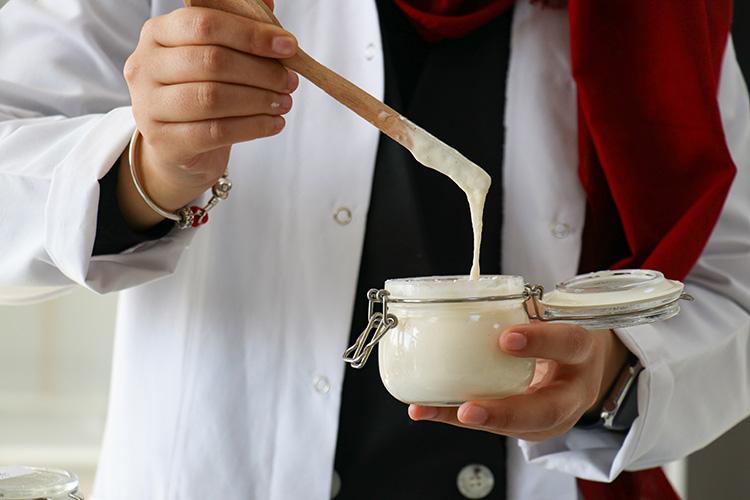
A Fermented Food (Anadolu Agency)
Fermented meat products are produced by mixing meat and fat with spices and additives, followed by fermentation and drying. Their primary purpose is to deliver a desirable flavor and enhance nutritional value.
The fermentation of meat products develops their characteristic flavor, aroma, color, and extends their shelf life.
Since fish is a highly perishable food, fermentation allows for long-term preservation and flavor enhancement.
Fish Sauce: Produced by long-term fermentation of fish and salt in Northern Europe; used as a salty, aromatic condiment.
Fermented fish products retain protein and nutritional value and may acquire probiotic properties through microbial activity.
These are products resulting from the lactic acid fermentation of vegetables. Fermentation extends shelf life and improves digestibility.
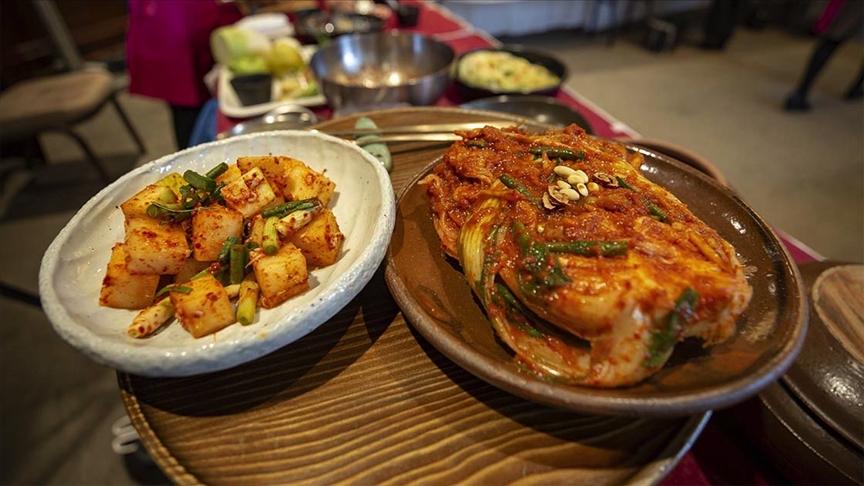
Kimchi, a Fermented Food (Anadolu Agency)
Fermented vegetables contain probiotics and biologically active compounds; they show potential to reduce colon cancer risk and support immune function.
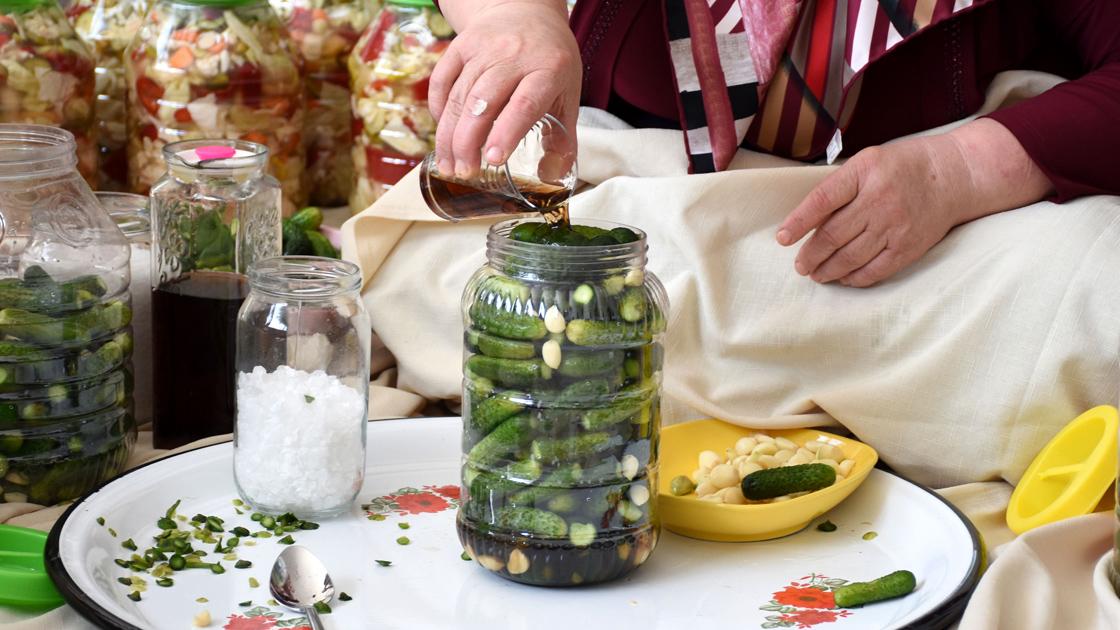
Pickles, a Fermented Food (Anadolu Agency)
Fermented cereal and legume-based products are prepared to enhance protein content, improve digestibility, and develop bioactive compounds.
Fermented cereal and legume products show cholesterol-lowering and antioxidant effects. Some contain estrogen-like compounds that contribute to hormonal balance.
Fermented foods possess antimicrobial, antioxidant, probiotic, and cholesterol-lowering properties. Lactic acid bacteria provide antihypertensive effects. Probiotics may reduce the risk of colon cancer and support intestinal detoxification. Fermented products contribute to strengthening the immune system. Fermented dairy products lower cholesterol levels, while fermented soy products contain components that support bone health.
Fermented foods are produced using both traditional and modern methods, widely consumed globally, and represent an important field in nutritional science.
Warning: The content presented here is intended solely for general encyclopedic information. These details must not be used for diagnosis, treatment, or medical advice. Before making any decisions regarding health, always consult a physician or qualified healthcare professional. The author and KÜRE Encyclopedia assume no responsibility for any consequences arising from the use of this information for diagnostic or therapeutic purposes.
Ilıkan, Emre. "Van'da Probiyotik İçeren Gıdaların Besin Değerini Korumak İçin 'Kapsüllenmiş Maya' Üretildi." *Anadolu Ajansı* (2024). Accessed August 16, 2025. https://www.aa.com.tr/tr/bilim-teknoloji/vanda-probiyotik-iceren-gidalarin-besin-degerini-korumak-icin-kapsullenmis-maya-uretildi/3395929
Karadavut, Zekeriya. "Turşu Bidonları Yoksul Öğrenciler İçin Doluyor." *Anadolu Ajansı* (2019). Accessed August 16, 2025. https://www.aa.com.tr/tr/yasam/tursu-bidonlari-yoksul-ogrenciler-icin-doluyor/1596529
Karaçil, Merve Şeyda, and Nilüfer Acar Tek. "Dünyada Üretilen Fermente Ürünler: Tarihsel Süreç ve Sağlık ile İlişkileri." *Uludağ Üniversitesi Ziraat Fakültesi Dergisi* 27, no. 2 (2013): 163–174. Accessed August 16, 2025. https://dergipark.org.tr/tr/pub/ziraatuludag/issue/16762/174293
Yılmaz, Mehmet Şah. "Kore Mutfağının Vazgeçilmezi 'Kimchi'." Anadolu Ajansı, 2021. Accessed August 16, 2025. https://www.aa.com.tr/tr/kultur-sanat/kore-mutfaginin-vazgecilmezi-kimchi/2151938
Ünsal, Sena, and İlknur Gökçe Yıldırım. "Besinler İlacımız Olabilir Mi? Fermente Besinler ve Sağlık İlişkisi." *Yüksek İhtisas Üniversitesi Sağlık Bilimleri Dergisi* 4, no. 3 (2023): 103–108. Accessed August 16, 2025. https://dergipark.org.tr/tr/pub/yuksekihtisas/issue/82071/1353009

Fermented Dairy Products
Fermented Meat Products
Fermented Fish Products
Fermented Vegetables
Fermented Cereal and Legume Products
Functional and Therapeutic Effects of Fermented Products