

This article was automatically translated from the original Turkish version.
Fishing cat (Prionailurus viverrinus)
Class | Mammalia (Mammals) | ||||||||
|---|---|---|---|---|---|---|---|---|---|
Conservation Status | Vulnerable and Endangered | ||||||||
Body Weight | 5 to 16 kg | ||||||||
Body Length | 57 to 115 cm | ||||||||
Lifespan | Unknown in the wild, approximately 12 years in captivity | ||||||||
Primary Diet | Fish and crustaceans | ||||||||
Habitat | Wetlands, swamps, reed beds, and mangrove forests | ||||||||
Geographic Distribution | South and Southeast Asia (India, Sri Lanka, Thailand, Cambodia) | ||||||||
Distinguishing Feature | Semi-webbed paws and water-resistant double-layered fur | ||||||||
Social Structure | Solitary and territorial | ||||||||
Activity Period | Generally nocturnal but can also be active during the day | ||||||||
Gestation Period | 63 to 70 days | ||||||||
Litter Size | 1 to 4 (average of 2 offspring) | ||||||||
Primary Threats | Habitat loss, draining of wetlands, and human pressure | ||||||||
Scientific Name | Prionailurus viverrinus | ||||||||
Fishing cat (Prionailurus viverrinus)
Realm | Animalia | ||||||||
|---|---|---|---|---|---|---|---|---|---|
Branch | Chordata | ||||||||
Class | Mammalia | ||||||||
Team | Carnivora | ||||||||
Family | Felidae | ||||||||
Genus | Prionailurus | ||||||||
Species | Prionailurus viverrinus | ||||||||
Turkish Name | Fishing cat | ||||||||
Habitat | Wetlands marshes mangrove forests riverbanks | ||||||||
Diet Type | Fish crustaceans frogs rodents | ||||||||
Average Weight | 5 - 16 kg | ||||||||
Body Length | 57 - 115 cm | ||||||||
Conservation Status | IUCN Red List Vulnerable | ||||||||
Primary Threats | Habitat loss drying of wetlands human conflict poaching | ||||||||
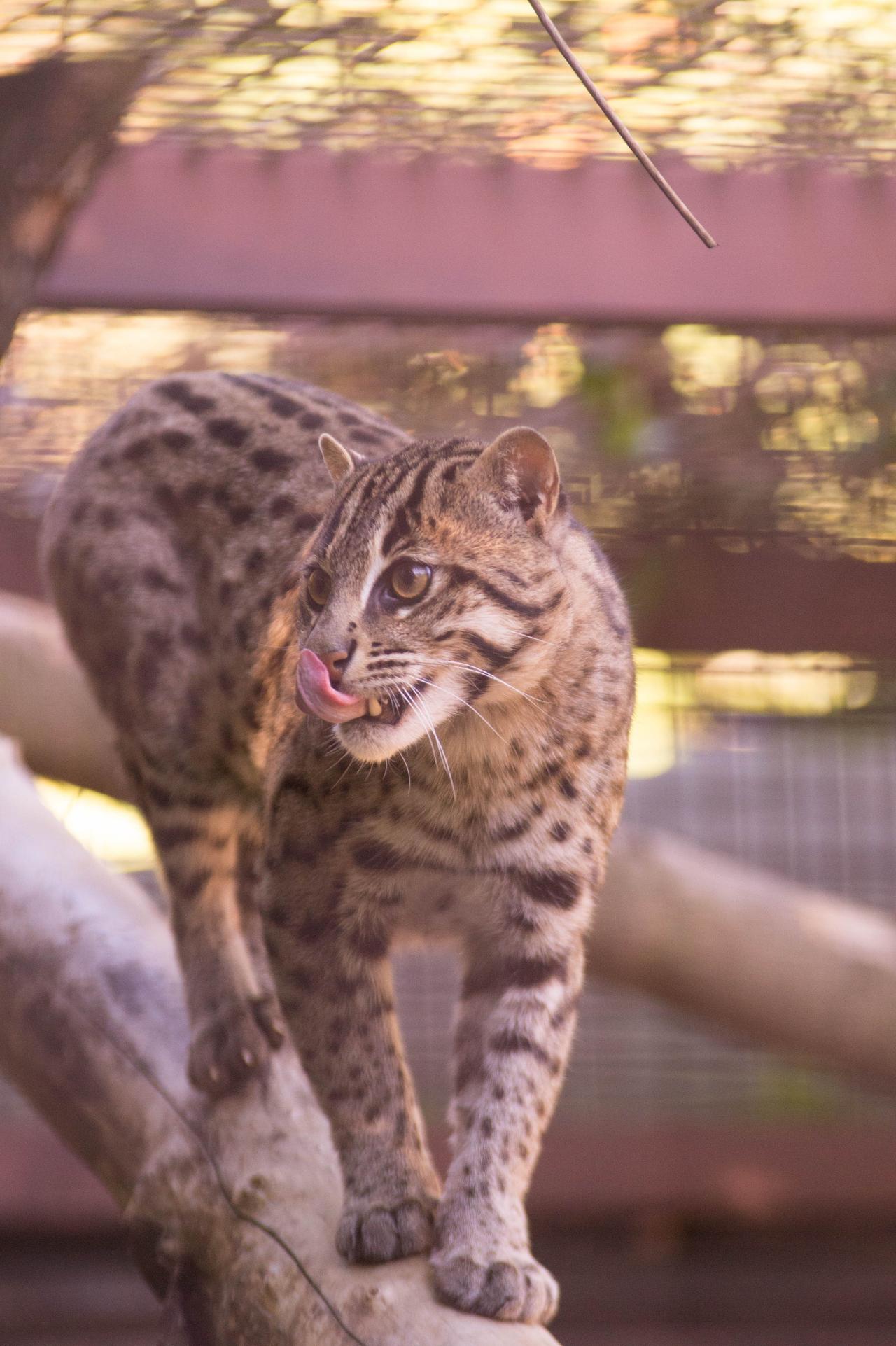
Fishing Cat (Prionailurus viverrinus) is a medium-sized wild cat species classified within the Felidae family of the Carnivora order, endemic to the wetland ecosystems of South and Southeast Asia. Unlike most cat species, it is distinguished by its high degree of anatomical and behavioral adaptation to aquatic habitats.
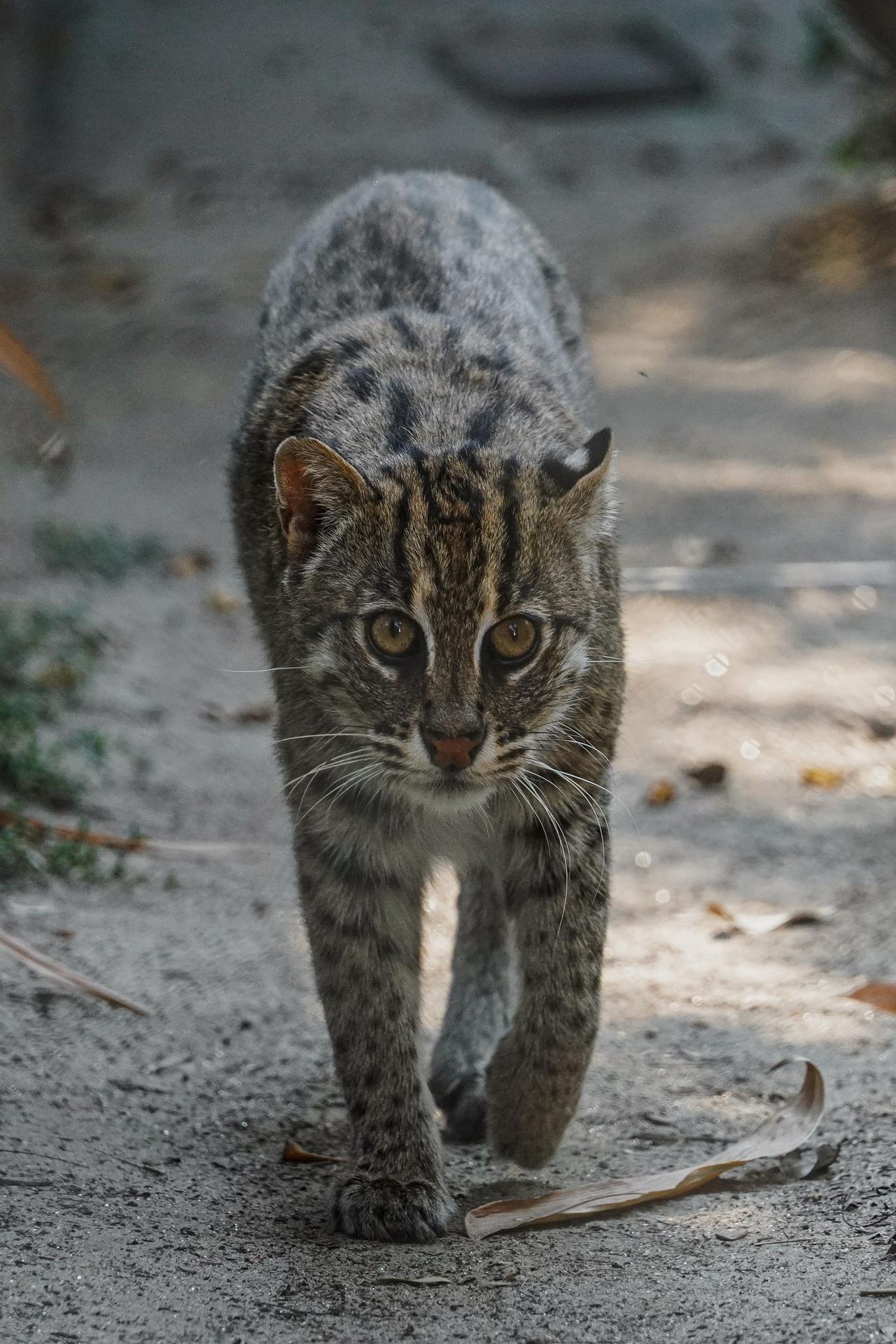
Fishing Cat (Prionailurus viverrinus) - (Pexels)
The fishing cat has short legs, a deep chest, and a robust muscular build. There is pronounced sexual dimorphism in body size; females weigh between 5 and 9 kilograms, while males can reach up to 16 kilograms. Body length ranges from 57 to 115 centimeters, and the tail is short, approximately one-third the length of the body. The fur consists of a background of brownish-gray or olive-brown coloration with longitudinal rows of black spots and stripes.
Six to eight distinct dark stripes run from the head down the neck. The ears are short and rounded, with central white patches on the rear surfaces. Anatomical adaptations for aquatic activity include a double-layered coat: a dense undercoat for insulation and a protective outer layer of water-repellent guard hairs for camouflage. Additionally, partial webbing exists between the front toes, and the claws cannot be fully retracted due to their anatomical structure.
Although the species has a wide geographic range across Asia, its distribution is fragmented and discontinuous. The current range includes India, Nepal, Bangladesh, Sri Lanka, Pakistan, Cambodia, and Thailand. Populations in Vietnam and the island of Java are reported to be extinct or their existence is questionable. The primary habitats of the species are mangrove forests, swamps, reed beds, and wetland ecosystems with dense riparian vegetation. While generally found in low-elevation coastal areas, documented occurrences have been recorded along riverine habitats at elevations of up to 1525 meters in the Indian Himalayas and 2277 meters in Sri Lanka.
Its diet is predominantly aquatic, with fish forming the largest component; it also consumes crabs, frogs, snakes, rodents, water birds, insects, and various small mammals. Observed hunting strategies include patrolling shallow waters, striking the water surface with its paws to mimic insect vibrations and lure prey, and diving fully underwater to swim long distances in pursuit of prey. In controlled captive environments, individuals have been observed exhibiting a species washing behavior, where food is placed in water and retrieved before consumption. Although generally considered solitary and nocturnal, camera trap data have confirmed activity during daylight hours.
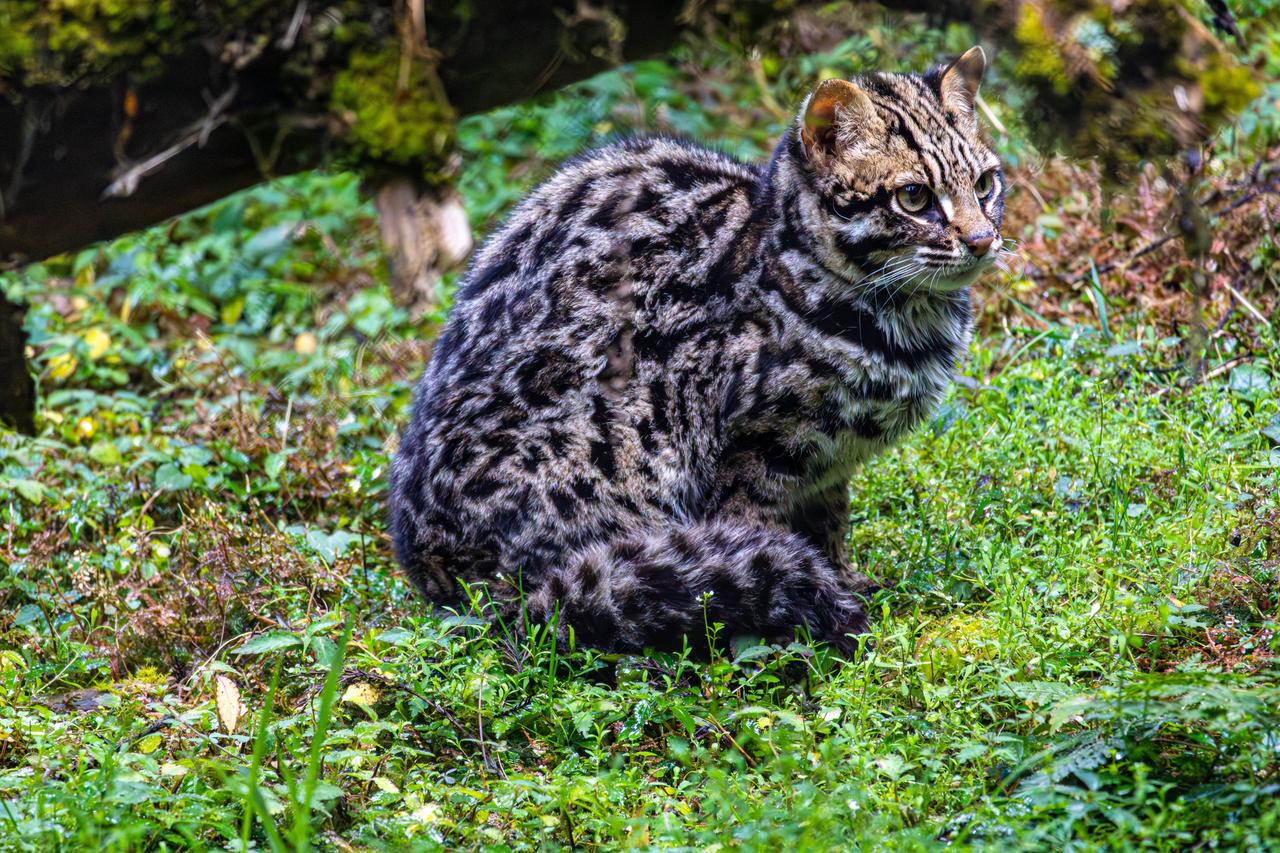
Fishing Cat (Prionailurus viverrinus) - (Pexels)
The species has a polyoestrous reproductive cycle and can breed throughout the year, although mating activity is most concentrated in January and February. After a gestation period of approximately 63 to 70 days, females give birth to one to four (average two) kittens in concealed vegetation. Newborn kittens weigh between 100 and 173 grams; their eyes open around day 16, and they begin consuming meat by day 53. Kittens are weaned at an average age of four to six months and become independent by 10 months.
In natural habitats, maternal care is provided exclusively by females, but in controlled environments such as zoos, males have been observed assisting in kitten care. In human-managed populations, lifespans of up to 12 years have been documented.
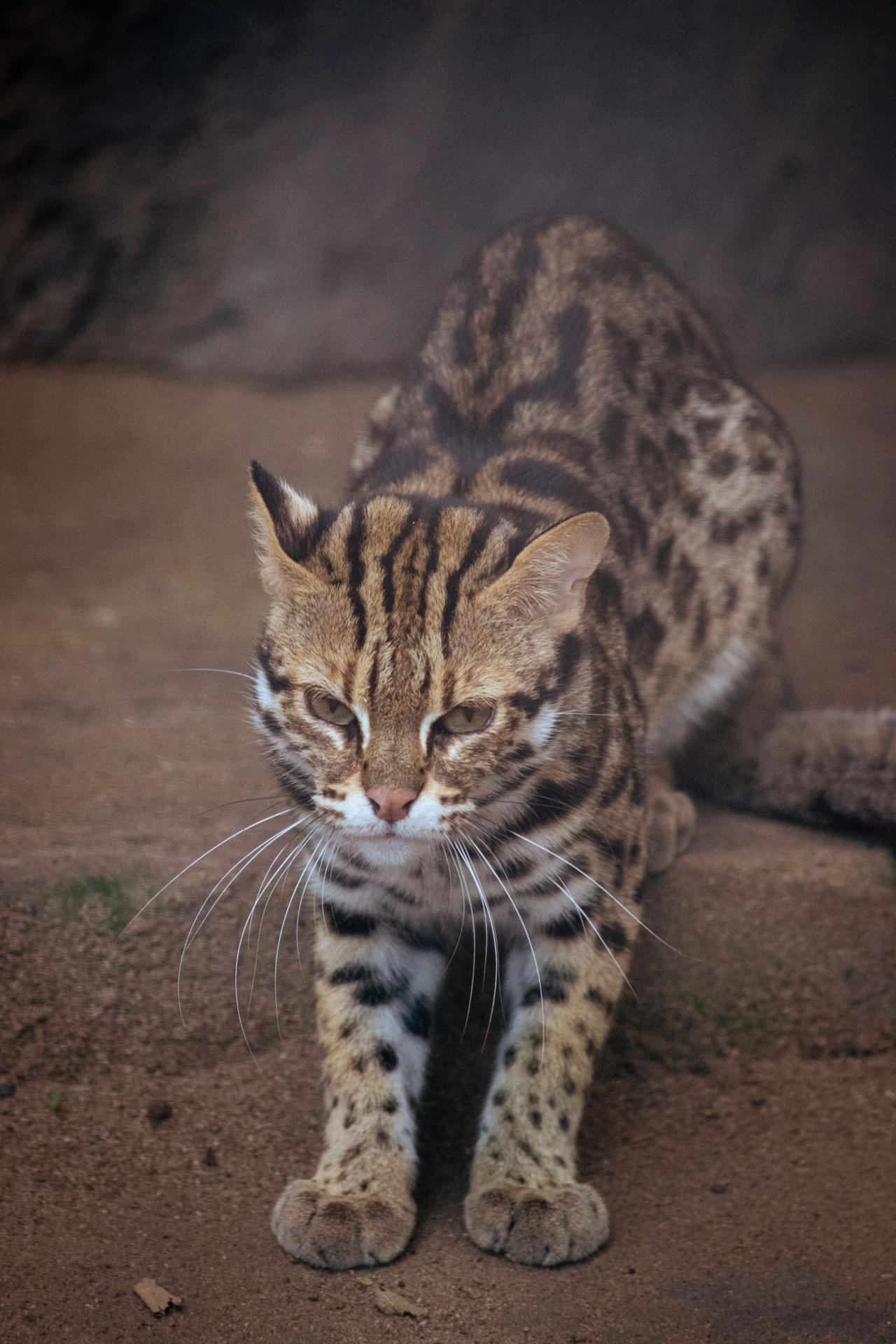
Fishing Cat (Prionailurus viverrinus) - (Pexels)
The fishing cat is listed as "Vulnerable" on the International Union for Conservation of Nature (IUCN) Red List at the global level. The primary threat to its population is the widespread destruction and high fragmentation of wetland habitats due to agricultural expansion, aquaculture, and urbanization. Pollutants such as agricultural fertilizers, microplastics, and industrial waste entering water sources lead to bioaccumulation of harmful substances in individuals through the food chain.
Additionally, retaliatory killings by local communities, motivated by perceived damage to poultry or farmed fish, and illegal hunting further increase pressure on populations. The species is included in Appendix II of CITES and is protected under the highest levels of national legislation in many countries including India, Bangladesh, Myanmar, and Sri Lanka.
Accessed November 26, 2025. https://www.aa.com.tr/tr/kultur/ahlatta-acilan-kurslarla-geleneksel-tas-isciligi-yasatiliyor/3116279.
Animal Diversity Web. "Prionailurus viverrinus (fishing cat) | INFORMATION | Animal Diversity Web." Accessed May 11, 2026. https://animaldiversity.org/accounts/Prionailurus_viverrinus/
Denver Zoo Conservation Alliance. "Fishing Cat - Denver Zoo Conservation Alliance." Accessed May 11, 2026. https://denverzoo.org/animals/fishing-cat/
IUCN/SSC Cat Specialist Group. "Living Species - Fishing Cat | IUCN CatSG." Accessed May 11, 2026. https://www.catsg.org/living-species-fishingcat
International Society for Endangered Cats (ISEC) Canada. "Fishing Cat – International Society for Endangered Cats (ISEC) Canada." Accessed May 11, 2026.
Pexels. "Hayvan Vahşi Memeli Hayvan Fotoğrafçılığı." Accessed May 10, 2026. https://www.pexels.com/tr-tr/fotograf/hayvan-vahsi-memeli-hayvan-fotografciligi-6480908/
Pexels. "Paslı Benekli Bir Kedinin Yaşam Alanında Büyüleyici Portresi." Accessed May 10, 2026. https://www.pexels.com/tr-tr/fotograf/pasli-benekli-bir-kedinin-yasam-alaninda-buyuleyici-portresi-31805557/
Pexels. "Vahşi Balıkçı Kedisi Kumlu Bir Yolda Açık Havada Yürüyor." Accessed May 10, 2026. https://www.pexels.com/tr-tr/fotograf/vahsi-balikci-kedisi-kumlu-bir-yolda-acik-havada-yuruyor-33628082/
Pexels. "Yemyeşil Sikkim Ormanında Paslı Benekli Kedi." Accessed May 10, 2026. https://www.pexels.com/tr-tr/fotograf/yemyesil-sikkim-ormaninda-pasli-benekli-kedi-30460398/
San Diego Zoo Animals & Plants. "Fishing Cat | San Diego Zoo Animals & Plants." Accessed May 11, 2026. https://animals.sandiegozoo.org/animals/fishing-cat

Fishing cat (Prionailurus viverrinus)
Class | Mammalia (Mammals) | ||||||||
|---|---|---|---|---|---|---|---|---|---|
Conservation Status | Vulnerable and Endangered | ||||||||
Body Weight | 5 to 16 kg | ||||||||
Body Length | 57 to 115 cm | ||||||||
Lifespan | Unknown in the wild, approximately 12 years in captivity | ||||||||
Primary Diet | Fish and crustaceans | ||||||||
Habitat | Wetlands, swamps, reed beds, and mangrove forests | ||||||||
Geographic Distribution | South and Southeast Asia (India, Sri Lanka, Thailand, Cambodia) | ||||||||
Distinguishing Feature | Semi-webbed paws and water-resistant double-layered fur | ||||||||
Social Structure | Solitary and territorial | ||||||||
Activity Period | Generally nocturnal but can also be active during the day | ||||||||
Gestation Period | 63 to 70 days | ||||||||
Litter Size | 1 to 4 (average of 2 offspring) | ||||||||
Primary Threats | Habitat loss, draining of wetlands, and human pressure | ||||||||
Scientific Name | Prionailurus viverrinus | ||||||||
Fishing cat (Prionailurus viverrinus)
Realm | Animalia | ||||||||
|---|---|---|---|---|---|---|---|---|---|
Branch | Chordata | ||||||||
Class | Mammalia | ||||||||
Team | Carnivora | ||||||||
Family | Felidae | ||||||||
Genus | Prionailurus | ||||||||
Species | Prionailurus viverrinus | ||||||||
Turkish Name | Fishing cat | ||||||||
Habitat | Wetlands marshes mangrove forests riverbanks | ||||||||
Diet Type | Fish crustaceans frogs rodents | ||||||||
Average Weight | 5 - 16 kg | ||||||||
Body Length | 57 - 115 cm | ||||||||
Conservation Status | IUCN Red List Vulnerable | ||||||||
Primary Threats | Habitat loss drying of wetlands human conflict poaching | ||||||||
No Discussion Added Yet
Start discussion for "Fishing cat (Prionailurus viverrinus)" article
Physical Characteristics
Distribution and Habitat
Feeding and Hunting Behavior
Reproduction and Life Cycle
Conservation Status and Ecological Threats