

This article was automatically translated from the original Turkish version.
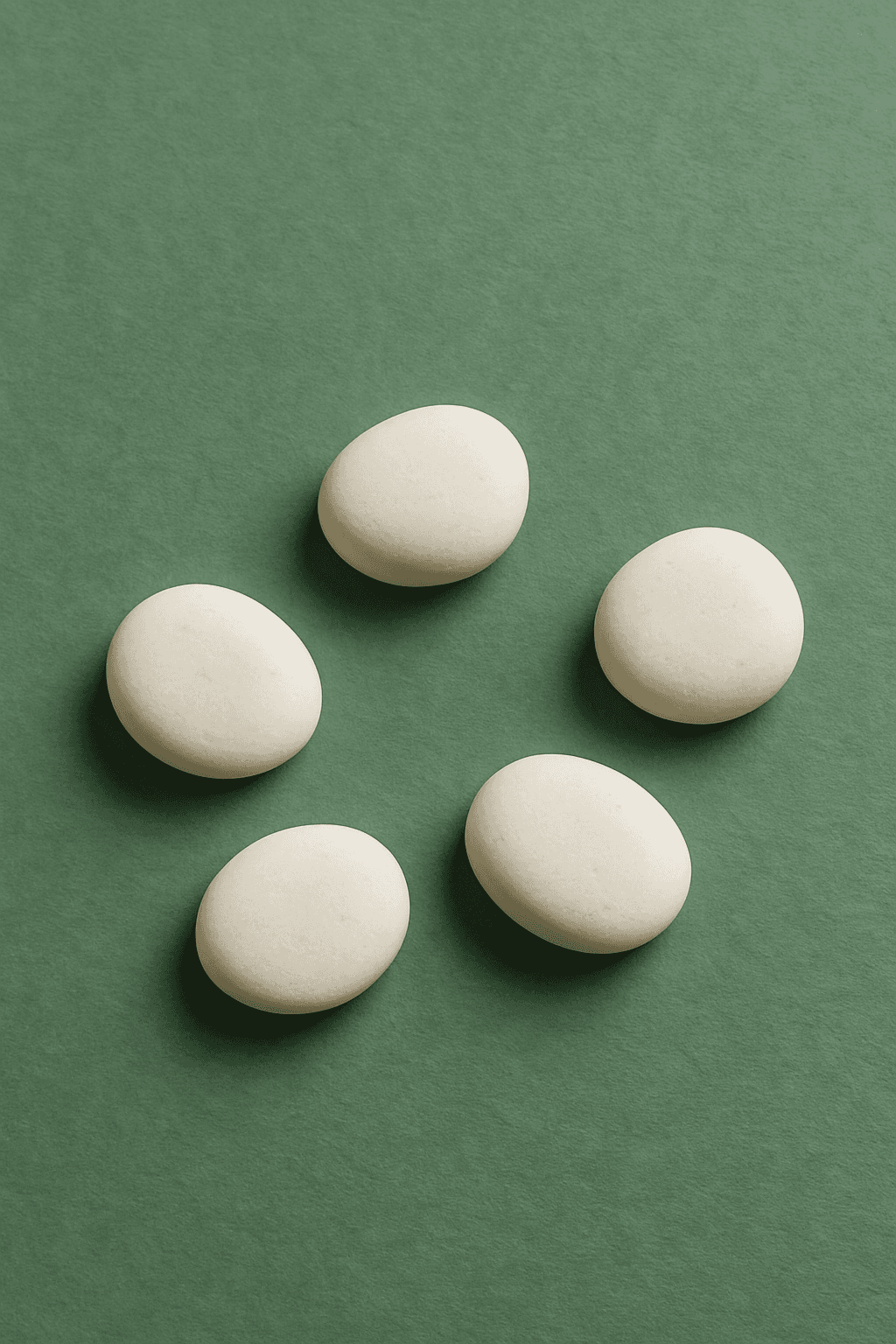
Beş Taş is a traditional children’s game played by at least two people. Five small, round, and smooth stones are used for the game. The stones should be small enough to fit in one hand. The game is typically played on a flat surface, either indoors or in open areas.
The game begins with the first player, determined by lot, tossing one of the stones into the air. While the tossed stone is in the air, the player must pick up one of the remaining stones from the ground and catch the tossed stone before it falls. During this process, the player must not drop any stones or touch the other stones on the ground. If the tossed stone is not caught or if the rules are violated, the turn passes to the next player.
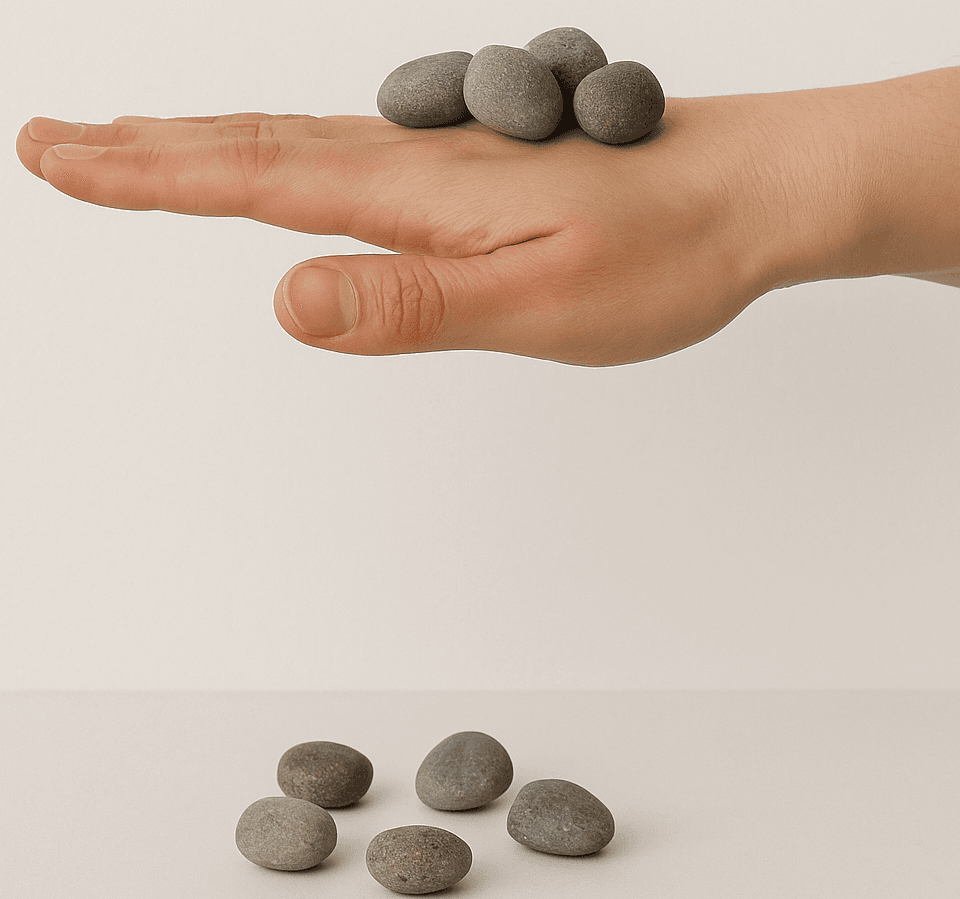
Beş Taş game (generated by artificial intelligence.)
The game consists of six stages:
In the final stage, all stones are gathered in the palm and gently tossed upward. The player attempts to catch them on the back of the hand. The player scores one point for each stone that lands on the back of the hand. The player who successfully catches the most stones on the back of the hand wins the game.
Beş Taş Oyunu (TRT Avaz)
Beş Taş helps develop hand dexterity, hand-eye coordination, and finger muscles. It is widely played among children as a rule-based and strategic game that enhances concentration.
Variants of the game are also played similarly in Azerbaijan, Turkmenistan, and Kyrgyzstan. In Turkmenistan and Kyrgyzstan, the game is known as “top taş.”
Historically, Beş Taş holds an important place in Turkish culture. According to Professor Metin And, the game was also played by minstrels in earlier times. It is especially popular among girls and is favored both for entertainment and for skill development.
Bambu Eğitim. "Geleneksel Türk Oyunları: Beş Taş." Accessed May 15, 2025. https://www.bambugep.org/geleneksel-turk-oyunlari/.
Culture Portal. "Beş Taş Oyunu." Culture Portal. Accessed May 15, 2025. https://kulturportali.gov.tr/turkiye/ankara/kulturatlasi/geleneksel-bestas-oyunu.
Culture Portal. "Beş Taş Oyunu." Culture Portal. Accessed May 15, 2025. https://kulturportali.gov.tr/turkiye/artvin/kulturatlasi/bes-tas-oyunu.
Emet Ceviz Dere Araştırma Derneği. "Beş Taş Oyunu." *Ecdad*. Accessed May 15, 2025. https://ecdad.org.tr/kulturumuz/cocukluk-donemi-oyunlarimiz/bes-tas-oyunu/.
TRT Avaz. "Beş Taş Oyunu." YouTube. Accessed May 15, 2025. https://www.youtube.com/watch?v=wQxuVGk7pn8.
İstanbul Gedik Üniversitesi Sürekli Eğitim Merkezi. "Beştaş Nasıl Oynanır?" Accessed May 15, 2025. https://uzemigunsem.gedik.edu.tr/bestas-nasil-oynanir.

How to Play
Game Rules and Stages
Final Stage
Benefits of the Game
Geographical and Cultural Spread