
+1 More

Füreya Koral
Doğum tarihi | 1910-06-12 | ||||||||
|---|---|---|---|---|---|---|---|---|---|
Place of Birth | Büyükada, Istanbul, Ottoman Empire | ||||||||
Ölüm tarihi | 1997-08-25 | ||||||||
Place of Death | Istanbul, Türkiye | ||||||||
Yaş | 87 | ||||||||
Occupation(s) | Ceramic Artist | ||||||||
Annesi | Hakkiye Hanım | ||||||||
Babası | Mehmet Emin Paşa | ||||||||
Aunt | Aliye Berger Fahrünnisa Zeyd | ||||||||
Uncle | Cevat Şakir Kabaağaçlı | ||||||||
Brother-İn-Law | Prof. Charles Berger | ||||||||
Education | Istanbul University Faculty of Letters Department of Philosophy Notre Dame de Sion French Girls' High School Istanbul | ||||||||
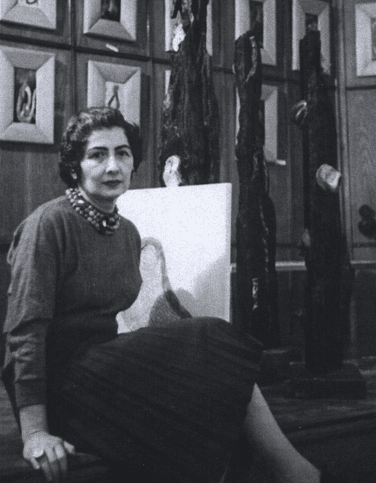
Füreya Koral was born on 12 June 1910 in the Büyükada district of Istanbul. Her father was Mehmet Emin Paşa and her mother was Hakkiye Hanım. Koral was a granddaughter of the renowned Ottoman pasha Şakir Paşa through her mother’s line and was raised in a culturally and artistically rich family environment. Among her relatives were the painters Fahrünnisa Zeyd and Aliye Berger, her aunts, and the writer Cevat Şakir Kabaağaçlı (Halikarnas Balıkçısı), her uncle. This artistic milieu profoundly influenced Koral’s artistic sensibility in later years.
Koral completed her primary education in Istanbul and graduated from Notre Dame de Sion Girls’ High School in 1927. She then continued her higher education at the Department of Philosophy, Faculty of Letters, Istanbul University. During her studies, she developed an interest in music and took private lessons from the Hungarian violin virtuoso Professor Charles Berger. Berger later married Koral’s aunt, Aliye.
Between 1940 and 1944, Koral worked as a music critic and produced various translations. Her deep engagement with art, guided by her aunt’s encouragement, led her to ceramics. The ceramic tools and materials sent to her by her aunt Fahrünnisa Zeyd from London played a decisive role in this shift. In 1947, she began her ceramic studies in Switzerland and later continued her work in a private ceramic workshop in Paris with the support of French ceramic artist Serre.
In 1951, Koral held her first solo exhibition of ceramics and stone prints in Paris, and the same year returned to Türkiye where she displayed her works at the Maya Art Gallery. She brought her custom-built ceramic kiln from Paris to Istanbul and established her own workshop in 1954 at Şakir Paşa Apartment. For nearly twenty years, this workshop became a center for young ceramic artists. Notable figures such as Ayda Arel, Alev Ebuzziya, and Candeğer Furtun were trained there.
Füreya Koral regarded ceramics not merely as an art object but as a functional material in architecture. In this regard, she was a pioneer in promoting the use of ceramic art in architectural structures in Türkiye. Her artistic expression, inspired by Anatolian culture and moving from abstraction to representation, was evident in her production of panels, three-dimensional works, and everyday objects such as vases and plates.
Koral created ceramic panels for the Ankara Ulus Bazaar in 1963, the Istanbul Ziraat Bank in 1966, and the Istanbul Divan Hotel in 1969. The artist participated in numerous national and international exhibitions and received the silver medal at the 1955 Cannes International Exhibition, the gold medal at the 1962 Prague Exhibition, the silver medal at the 1967 Istanbul Exhibition, the Smithsonian Institution award in Washington, and an honorary diploma at the Vallauris Biennale in France. Additionally, she was awarded the Ministry of Culture Special Prize in 1981 and the Sedat Simavi Foundation Plastic Arts Prize in 1986.

Seramic Table Panel, Turkey Grand National Assembly Art Collection ()
In the final years of her life, Füreya Koral continued to create art and produce works, a subject later explored in Ayşe Kulin’s book titled “Füreya.” The artist passed away in Istanbul on 25 August 1997 at the age of 87.
Anadolu Ajansı. “Çağdaş Seramiğin Öncüsü Füreya Koral.” Anadolu Ajansı, November 22, 2023. Accessed June 20, 2025. https://www.aa.com.tr/tr/kultur/cagdas-seramigin-oncusu-fureya-koral/2975534.
Türkiye Büyük Millet Meclisi (TBMM). *Füreya Koral Sergisi*. Ankara: TBMM Yayınları, [year not specified]. Accessed June 20, 2025. https://acikerisim.tbmm.gov.tr/items/d05f6c9c-9493-4379-972e-616ed1daf1fc.
Uyumaz, Dilan. "Türk Seramiğinin Sanat Nesnesine Dönüşümünde Füreya Koral’ın Etkisi." Master's thesis, Yeditepe Üniversitesi Sosyal Bilimler Enstitüsü, 2021.

Füreya Koral
Doğum tarihi | 1910-06-12 | ||||||||
|---|---|---|---|---|---|---|---|---|---|
Place of Birth | Büyükada, Istanbul, Ottoman Empire | ||||||||
Ölüm tarihi | 1997-08-25 | ||||||||
Place of Death | Istanbul, Türkiye | ||||||||
Yaş | 87 | ||||||||
Occupation(s) | Ceramic Artist | ||||||||
Annesi | Hakkiye Hanım | ||||||||
Babası | Mehmet Emin Paşa | ||||||||
Aunt | Aliye Berger Fahrünnisa Zeyd | ||||||||
Uncle | Cevat Şakir Kabaağaçlı | ||||||||
Brother-İn-Law | Prof. Charles Berger | ||||||||
Education | Istanbul University Faculty of Letters Department of Philosophy Notre Dame de Sion French Girls' High School Istanbul | ||||||||
Educational Background and Interest in Music
Transition to Art and Discovery of Ceramics
Artistic Career and International Achievements
Artistic Philosophy and Contributions to Architecture
Works and Contributions
Death and Legacy