
+2 More

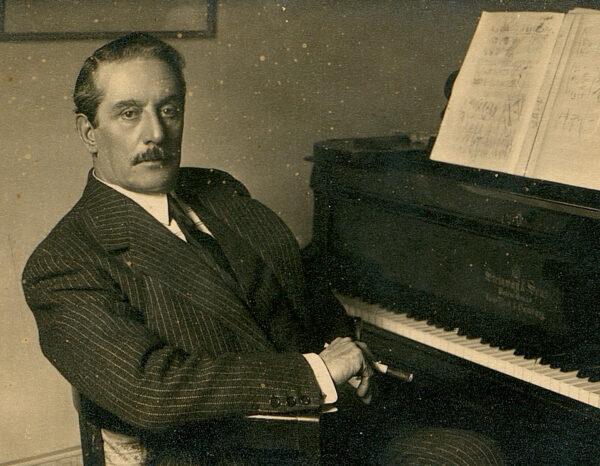
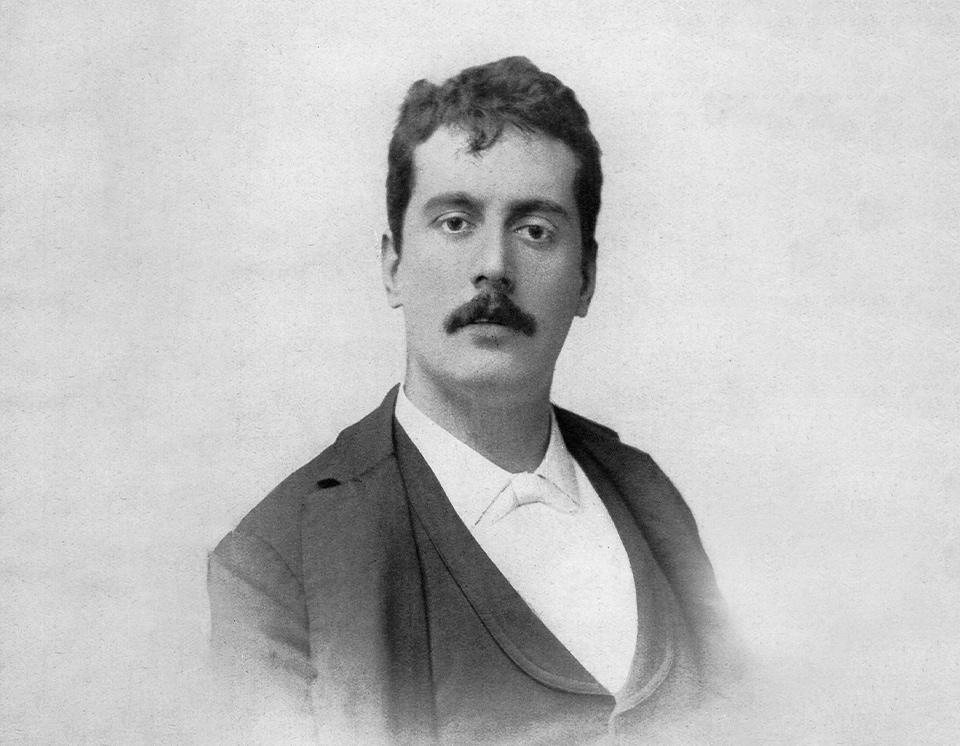
Giacomo Puccini was an Italian composer who was active at the end of the 19th century and the beginning of the 20th century. Trained within the Italian opera tradition, he composed works primarily in the operatic genre, emphasizing the relationship between dramatic narrative, character portrayal, and orchestral structure. He is best known for operas such as La Bohème, Tosca, Madama Butterfly, and his unfinished final work, Turandot.
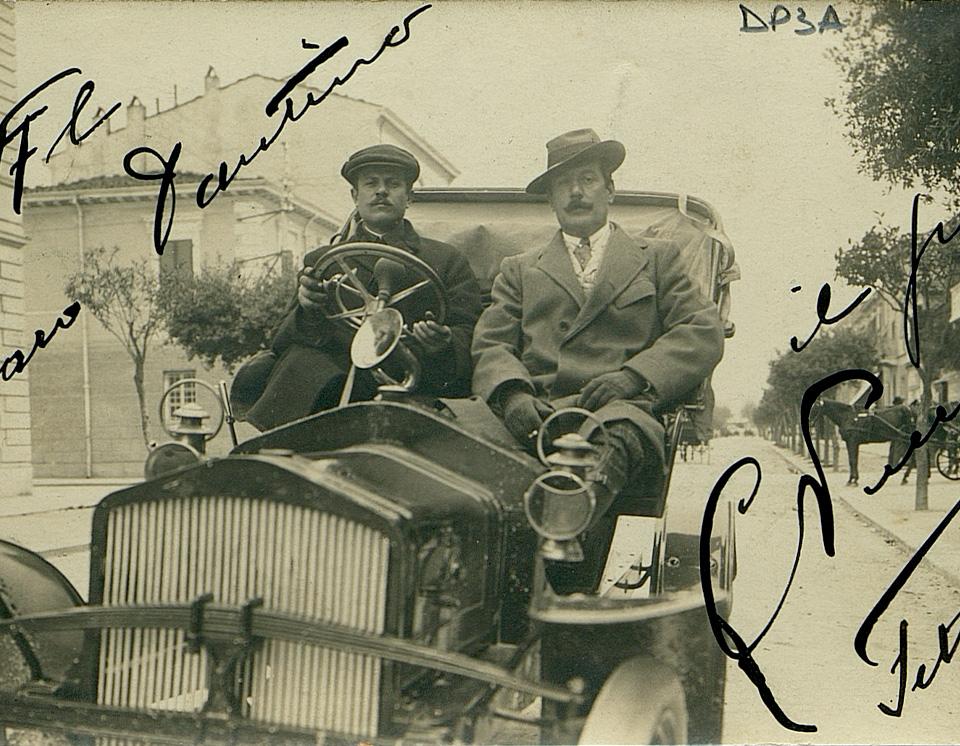
Giacomo Puccini (Puccini Museum)
Giacomo Puccini was born on 22 December 1858 in Lucca, Italy. He belonged to a family long active in church music, with several generations having played significant roles in the musical life of Lucca.【1】 Following his father’s early death, the family faced economic and social hardship, which also affected Puccini’s education.
Although Puccini was raised in a family environment closely tied to religious music, his career took a different artistic direction as he turned toward opera. Despite this family musical heritage, his compositions placed dramatic expression and stage music at the forefront.
Puccini’s personal life was shaped largely by his long-term relationship with Elvira Bonturi. Due to the social norms of the time, their union was not formalized through marriage until later. They had one son together. His family life continued alongside his professional activities, and he spent much of his life in Italy.
Puccini’s musical education began at an early age within his local musical environment. He later studied at the Milan Conservatory, where he came into contact with the leading musical circles of the time. During his studies, he focused particularly on opera and continued to develop his expertise in this genre.
While in Milan, his interest in stage music intensified, and he began composing his first operas. The works from this period represent early examples of the dramatic storytelling style he would refine in later years.
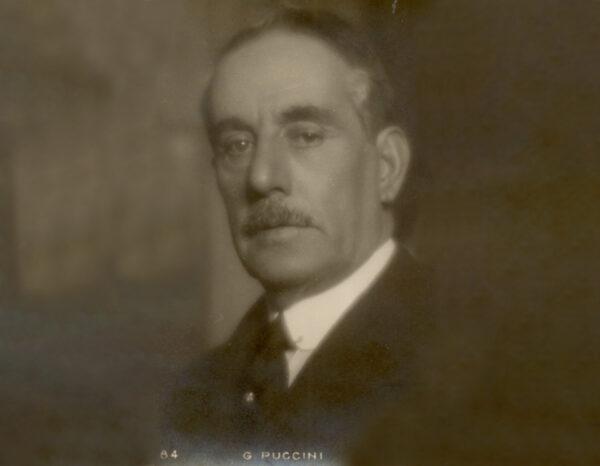
Giomoco Puccini (Puccini Museum)
Puccini’s first opera, Le Villi, is regarded as his first significant work in stage music. It drew attention and established his reputation within musical circles. His subsequent opera, Edgar, was a more ambitious work than its predecessor but failed to achieve the level of success expected.
These early works are seen as evidence of Puccini’s efforts to develop dramatic structure, character creation, and stage impact.
One of the turning points in Puccini’s career was his opera Manon Lescaut. With this work, he gained international recognition and established a prominent position in the world of opera. The operas that followed—La Bohème, Tosca, and Madama Butterfly—became among his most famous works.
In these operas, individual emotions, social relationships, and dramatic conflicts are intensely portrayed on stage.【2】 Puccini’s operas establish a strong connection between melodic structure and dramatic narrative, contributing significantly to their stage success.【3】
Puccini’s music is rooted in the Italian opera tradition but was also shaped by the social and artistic developments of his time. In his works, orchestration is used to support dramatic structure, while vocal lines are crafted to reflect the psychological states of the characters. This approach is among the key elements that define the stage impact of his operas.
Puccini’s final opera, Turandot, remained unfinished at the time of his death. Some sections were completed posthumously and later staged. Turandot is notable for its use of Eastern themes and represents a distinct direction in Puccini’s musical language.
This work also exhibits important features in terms of dramatic structure, orchestration, and stage impact.
In the final years of his life, Puccini suffered from serious health problems, particularly an illness in the throat region. This condition was diagnosed as laryngeal cancer and is recognized as the primary cause of his death.【4】 He died on 29 November 1924 while undergoing treatment. His death left the opera Turandot incomplete.
After Puccini’s death, Turandot was completed by another composer and subsequently staged. This demonstrates that his final works continued to exert influence in the musical world after his passing. It is also noted that his operas have remained part of the international opera repertoire and continue to be performed to this day.
Altar, Cevad Memduh. “Puccini ve Turandot.” *Devlet Operası Dergisi*, February-March 1959, Year: 1, Issue: 5. Accessed March 29, 2026. https://cevadmemduhaltar.itu.edu.tr/makale-puccini-ve-turandot.html
Dieter Schickling. “Giacomo Puccini: Life.” Puccini Museum. September 2011. Accessed March 29, 2026. https://www.puccinimuseum.org/en/giacomo-puccini/life/
Mark Cartwright. “Giacomo Puccini.” *World History Encyclopedia*. June 22, 2025. Accessed March 29, 2026. https://www.worldhistory.org/trans/tr/1-21941/giacomo-puccini/
T.C. Ministry of Culture and Tourism, General Directorate of State Opera and Ballet. "Giacomo Puccini." T.C. Ministry of Culture and Tourism, General Directorate of State Opera and Ballet. Accessed March 29, 2026. https://www.operabale.gov.tr/people/giacomo-puccini-846
[1]
“Giacomo Puccini: Life,” Puccini Museum, accessed 29 March 2026.https://www.puccinimuseum.org/en/giacomo-puccini/life/
[2]
“Giacomo Puccini,” World History Encyclopedia, accessed 29 March 2026.https://www.worldhistory.org/trans/tr/1-21941/giacomo-puccini/
[3]
“Giacomo Puccini: Life,” Puccini Museum, accessed 29 March 2026. https://www.puccinimuseum.org/en/giacomo-puccini/life/
[4]
“Giacomo Puccini,” World History Encyclopedia, accessed 29 March 2026. https://www.worldhistory.org/trans/tr/1-21941/giacomo-puccini/

Early Life and Family
Education and Early Years
First Operas and Recognition
Maturity and Major Works
Musical Style and Artistic Characteristics
Turandot and Later Years
Death