This article was automatically translated from the original Turkish version.
+2 More
Location | Kırıkhan district Hatay / Türkiye | ||||||||
|---|---|---|---|---|---|---|---|---|---|
Type(s) | Freshwater lake | ||||||||
Prominent Features | Small island in the center of the lake, rich plant cover, bird diversity | ||||||||
Flora(s) | Reed beds seasonal aquatic plants water hyacinths water lilies | ||||||||
Gölbaşı Gölü is located in the Kırıkhan district of Hatay Province, Türkiye. The lake is a natural wetland with seasonal fluctuations in water level, and the surrounding land structure and water level variations shape the dynamic nature of the lake’s ecosystem.

Image of water lilies in Gölbaşı Gölü. (Anadolu Agency)
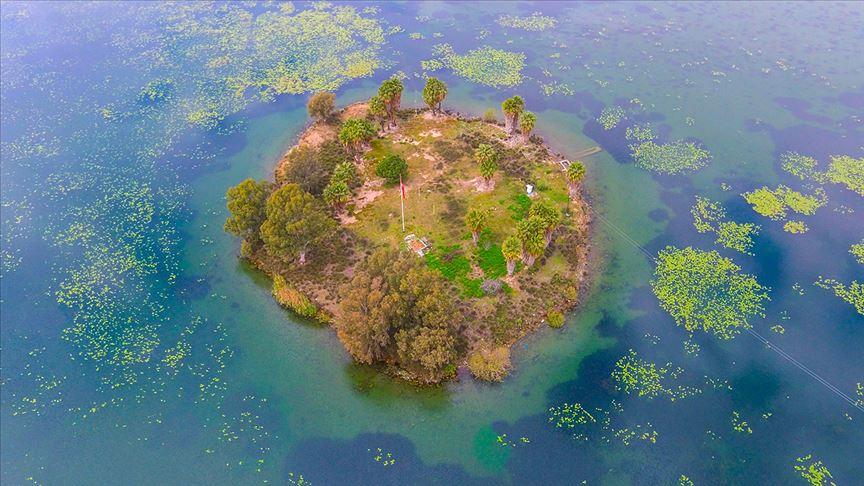
A small natural island lies at the center of Gölbaşı Gölü. This island serves as an important habitat within the lake’s ecosystem, functioning as a shelter and breeding ground for various bird species. It remains relatively undisturbed by human activity and constitutes a natural habitat of ecological significance. This structure plays a key role in preserving the lake’s biological diversity and enhancing the complexity of the ecosystem.
The surroundings of Gölbaşı Gölü are rich in wetland plant species. Reed beds, marsh plants and aquatic vegetation form the fundamental components of the lake’s ecosystem. Seasonal changes in vegetation color during spring reflect the region’s biological diversity and contribute to the healthy functioning of the ecosystem. This plant structure plays a vital role in meeting the feeding and shelter needs of the local fauna.
The lake provides habitat for a variety of bird species, particularly ducks, kingfishers, flamingos and migratory birds, which are commonly observed around the lake. Additionally, the aquatic habitats within the lake serve as critical living areas for different fish species and amphibians. Reptiles and small mammal species living in the surrounding areas further support the region’s biological diversity. The islands in the lake are of critical importance for the breeding and conservation of these species.

Image of one of the islands in Gölbaşı Gölü. (Anadolu Agency)
Due to its rich bird diversity and natural environment, Gölbaşı Gölü is regarded as a potential site for birdwatching and nature tourism. Nature walks, environmental education programs and photography activities raise awareness among visitors about the importance of understanding and conserving the ecosystem. These activities contribute to the local economy while promoting environmental sustainability.
Agricultural activities, water resource use and environmental pressures in the region are among the factors threatening the lake’s ecosystem. Seasonal fluctuations in water levels and human impacts can disrupt the natural balance. Therefore, local and regional management strategies are necessary to ensure the sustainable preservation of the ecological integrity of Gölbaşı Gölü and its surroundings.
Gölbaşı Gölü holds both ecological and economic value for local communities due to its biological diversity and natural structure. The development of ecotourism initiatives helps diversify income sources for the local population and enables a balance between environmental protection and economic development.

Image of Gölbaşı Gölü. (Anadolu Agency)
As one of the important wetlands in the Hatay region, Gölbaşı Gölü holds strategic significance for both the conservation of the natural ecosystem and sustainable tourism. The islands and rich flora and fauna contribute to the regional ecology while offering new opportunities for the local economy. Managing existing environmental threats, preserving ecological balance, and implementing science-based conservation measures are essential to ensure the lake’s legacy for future generations.
Anadolu Ajansı. "Kuş cenneti Gölbaşı turizme kazandırılacak." Accessed August 16, 2025. https://www.aa.com.tr/tr/turkiye/kus-cenneti-golbasi-turizme-kazandirilacak/1441167
T.C. Kırıkhan Kaymakamlığı. "Gölbaşı Gölü." T.C. Kırıkhan Kaymakamlığı Web Sitesi. Accessed August 16, 2025. http://www.kirikhan.gov.tr/glbasi-gl

Location | Kırıkhan district Hatay / Türkiye | ||||||||
|---|---|---|---|---|---|---|---|---|---|
Type(s) | Freshwater lake | ||||||||
Prominent Features | Small island in the center of the lake, rich plant cover, bird diversity | ||||||||
Flora(s) | Reed beds seasonal aquatic plants water hyacinths water lilies | ||||||||
Islands in the Lake
Flora and Vegetation
Fauna and Animal Species
Ecotourism and Nature Observation Activities
Environmental Impacts and Sustainability
Regional Economic and Social Significance