


This article was automatically translated from the original Turkish version.
+1 More
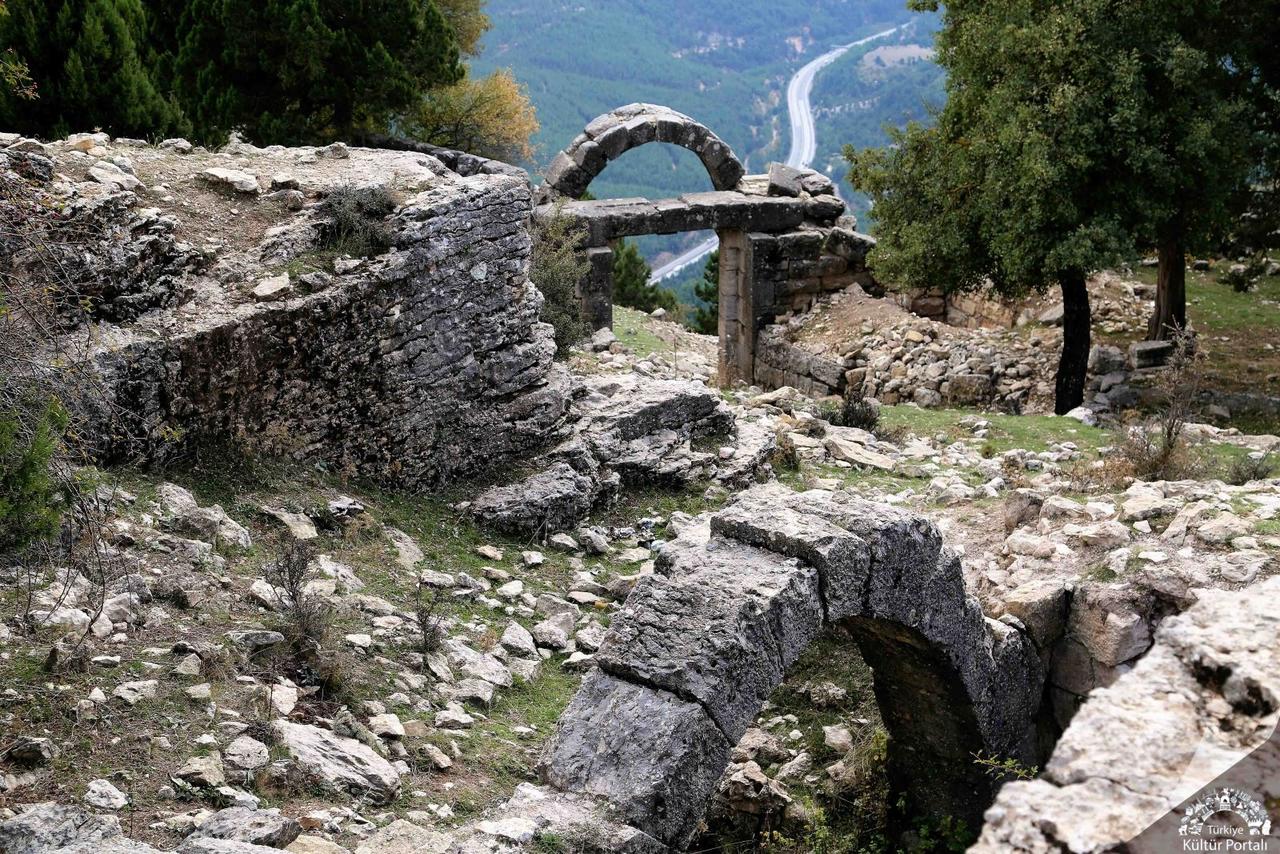
Gülek Castle
Location | Mersin Gülek Village (60-65 km north of Tarsus) Tarsus | ||||||||
|---|---|---|---|---|---|---|---|---|---|
Region(s) | Mediterranean Region Türkiye | ||||||||
Elevation(s) | 1600 metres from the sea | ||||||||
Type(s) | Castle | ||||||||
Historical Period | Middle Ages and later | ||||||||
Cultural Influences | Arab, Byzantine, Armenian, Cilician, Mamluk, Ottoman | ||||||||
Strategic Importance | Control of the Gülek Pass (Cilician Gates) and the Via Tauri route | ||||||||
Entrance | The monumental gate to the south | ||||||||
Defense | Southern and western walls, round/square towers | ||||||||
Cistern | At the easternmost end | ||||||||
Material(s) | Bosajlı cut stone blocks | ||||||||
Findings | Yellow and green glazed/unglazed ceramic fragments | ||||||||
Other Name(s) | Kuklak Asakaliba Kawlak Cogolaquum Gogulat Guglag | ||||||||
Gülek Castle is a historical fortress located approximately 60–65 km north of Tarsus district in Mersin Province, within Türkiye’s Mediterranean Region, near Gülek Village at place. It was constructed on a commanding position at an elevation of 1600 meters above sea level, atop the Taurus Mountains, overlooking the Gülek Pass (Cilician Gates) at strategic. The fortress was built to control the Gülek Pass, one of the most important routes connecting Inner Anatolia with the Mediterranean Region. The castle’s foundations extend as far back as the Middle Ages, and archaeological evidence from its architectural plan, craftsmanship, and surface finds indicates occupation during multiple historical periods. Historical sources refer to it by various names including Kuklak, Guglag, Gogulat, Cogolaquum, Kawlak like, and it bears traces of dominance by building, Arab, Byzantine, Armenian, Cilician, and Ottoman cultures.
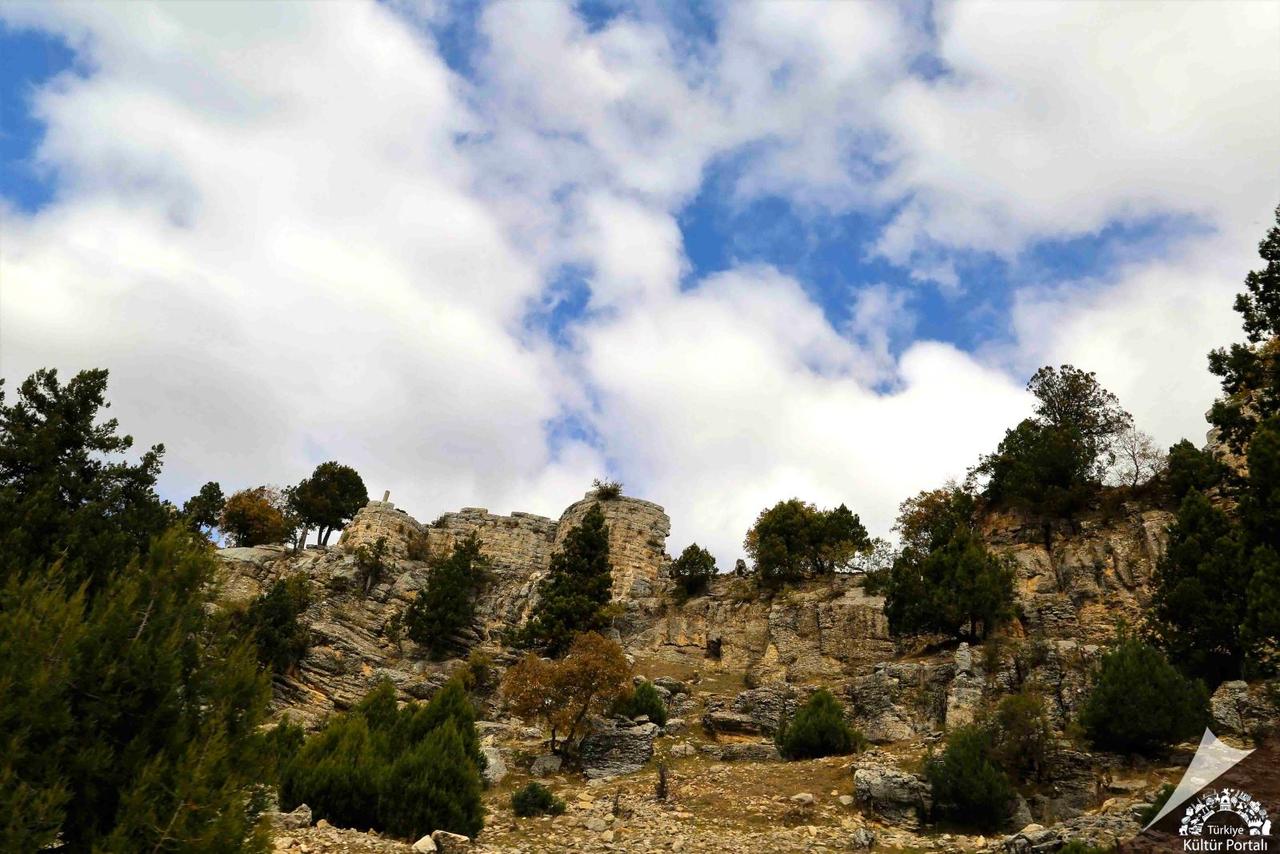
Gülek Castle (Culture Portal)
Gülek Castle is situated on a dominant hilltop approximately 2 km southwest of the Gülek Pass. Its northern and northeastern sides are bordered by natural cliffs, eliminating the need for additional fortifications in those directions. Access to the castle is via a monumental gate on the southern side, while the southern and west walls are clearly visible. These walls are reinforced with circular or square plan towers of varying sizes. At the castle’s farthest end lies a cistern, and its walls incorporate ashlars with bossed surfaces characteristic of the Cilician Armenian Kingdom period. Aside from the structure adjacent to the entrance gate, very few other buildings remain standing within the compound. Surface surveys reveal prominent fragments of glazed or unglazed ceramic pottery in yellow and green colors.
The slopes of the rocky hill on which the castle stands are covered with cedar trees, while the base consists of mixed limestone rocks that rise in layered formations toward the upper sections. Alishan (1899) recorded the discovery of fossilized marine organisms of the genus Echinites sea and various coral species in the area. Additionally, remnants of an ancient altar carved into the rock face on the western cliff and traces of two illegible inscriptions have been identified.
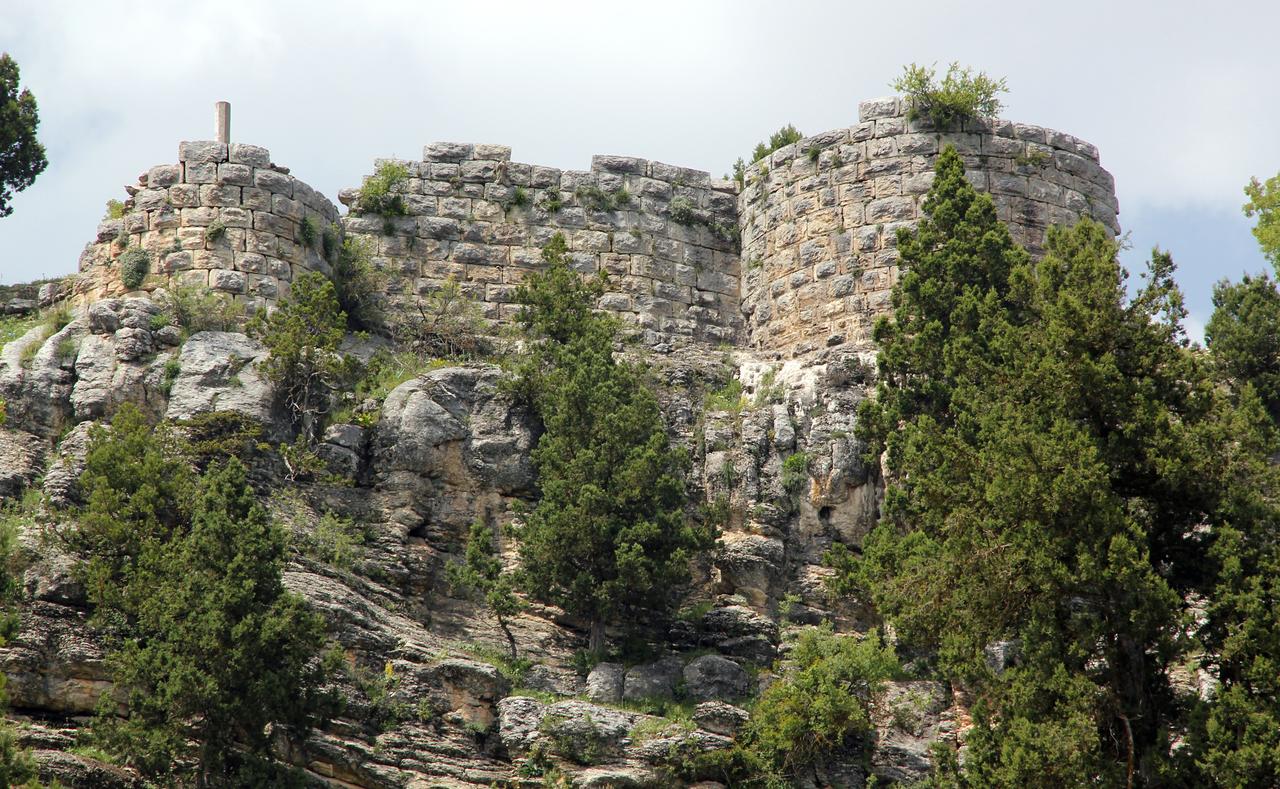
Gülek Castle (culturenvanteri)
The strategic importance of Gülek Castle stems from its role as a military complex guarding the Tarsus Road (Via Tauri) and the Cilician Gates. During the Middle Ages, travelers passing through the Gülek Pass were required to pay tolls to the castle’s commander, underscoring its economic and military value. Historical records indicate that the castle was either constructed or substantially renovated during the period of the Cilician Armenian Kingdom. In the 1198–1199 tax list, the name Smbat appears as Lord of Gülek, and the fortress is referred to at that time as Asakaliba. Its continuous occupation over centuries is evident from its architectural structure and material finds.
In 1432–1433, the traveler who visited the region referred to the castle as Cublech and described it as “the highest castle he had seen up to that point.” Evliya Çelebi, in the 17th century, described the fortress as “rising to the heavens” and noted its location in the Ramazanoğlu Yaylası area within the Kusun kazas. It is known that in 1838–1839, Ibrahim Pasha occupied the castle during his rebellion against Ottoman rule. During this period, a lead mine was recorded on the northwestern side of the fortress, and the masonry on the southern and western walls showed similarities to fortifications built in Pozantı during the late 1830s.
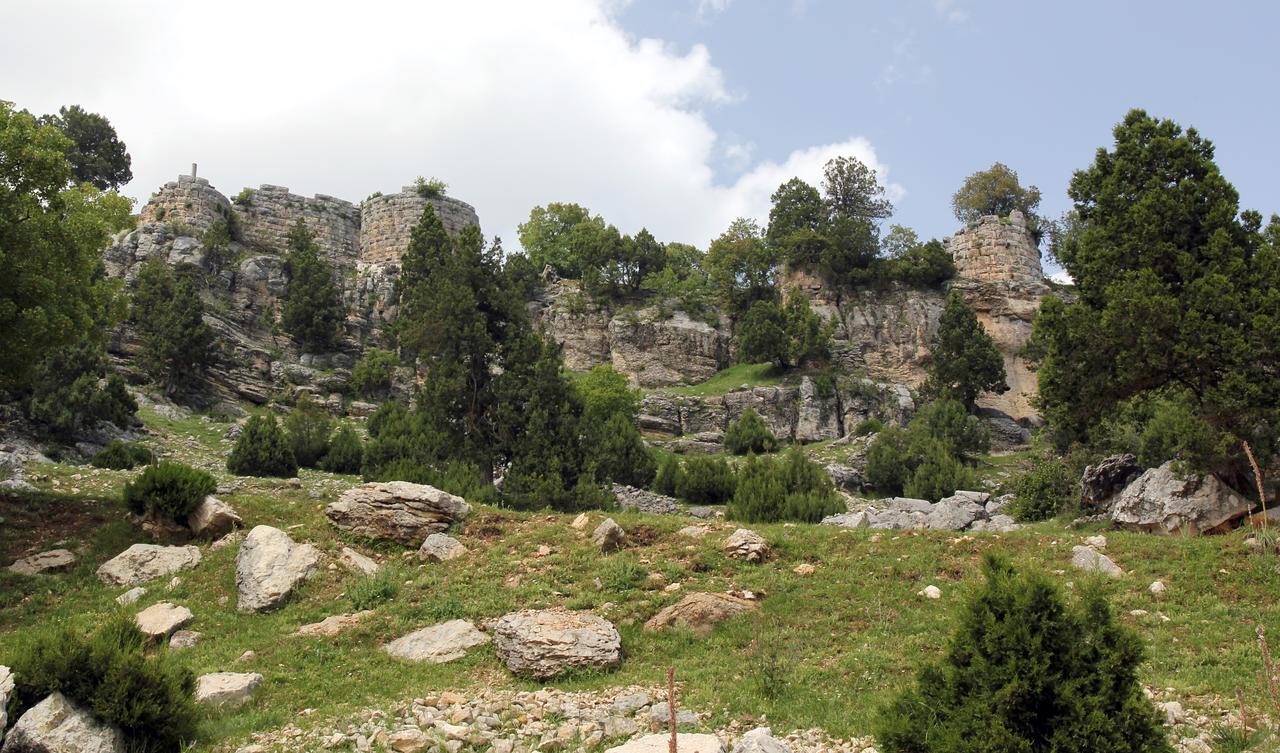
Gülek Castle (culturenvanteri)
Today, Gülek Castle is accessible and has attracted numerous visitors in recent years due to the widespread sharing of photographs taken on the cliff’s edge via social media. Two new structures have been erected on the site, but most of the original spaces no longer stand. Gülek Castle, one of the most significant remnants reflecting Mersin’s past through its historical and natural beauty, continues to draw the interest of both history enthusiasts and nature lovers.
Anadolu Ajansı. “Gülek Kalesi son dönemde çok sayıda ziyaretçiyi ağırlıyor,” Accessed April 5, 2025.
Culture Inventory. "Gülek Kalesi." Accessed April 5, 2025. https://kulturenvanteri.com/yer/gulek-kalesi/#17.1/37.269528/34.790769.
Kültür Portalı. "GÜLEK KALESİ | Kültür Portalı." Accessed April 5, 2025. https://kulturportali.gov.tr/turkiye/mersin/gezilecekyer/gulek-kalesi.
Türkiye Turizm Ansiklopedisi. "Gülek Kalesi." Accessed April 5, 2025. https://turkiyeturizmansiklopedisi.com/gulek-kalesi.
Gülek Castle
Location | Mersin Gülek Village (60-65 km north of Tarsus) Tarsus | ||||||||
|---|---|---|---|---|---|---|---|---|---|
Region(s) | Mediterranean Region Türkiye | ||||||||
Elevation(s) | 1600 metres from the sea | ||||||||
Type(s) | Castle | ||||||||
Historical Period | Middle Ages and later | ||||||||
Cultural Influences | Arab, Byzantine, Armenian, Cilician, Mamluk, Ottoman | ||||||||
Strategic Importance | Control of the Gülek Pass (Cilician Gates) and the Via Tauri route | ||||||||
Entrance | The monumental gate to the south | ||||||||
Defense | Southern and western walls, round/square towers | ||||||||
Cistern | At the easternmost end | ||||||||
Material(s) | Bosajlı cut stone blocks | ||||||||
Findings | Yellow and green glazed/unglazed ceramic fragments | ||||||||
Other Name(s) | Kuklak Asakaliba Kawlak Cogolaquum Gogulat Guglag | ||||||||
Location and Structural Features
Historical Significance
Current Condition