


This article was automatically translated from the original Turkish version.
Gyotaku is an art form whose name in Japanese means “fish imprint” or “fish print,” originating in Japan and first practiced during the Edo Period (1603–1868). This technique was initially developed by Japanese fishermen to document and preserve the memory of significant or memorable catches.
The prints include details such as the species of fish, its length, weight, the date and location of capture, and the fisherman’s name; these features transform gyotaku into both a personal memento and a historical biological record. Today, this art has evolved into a globally recognized printing technique, distinct from its traditional roots.
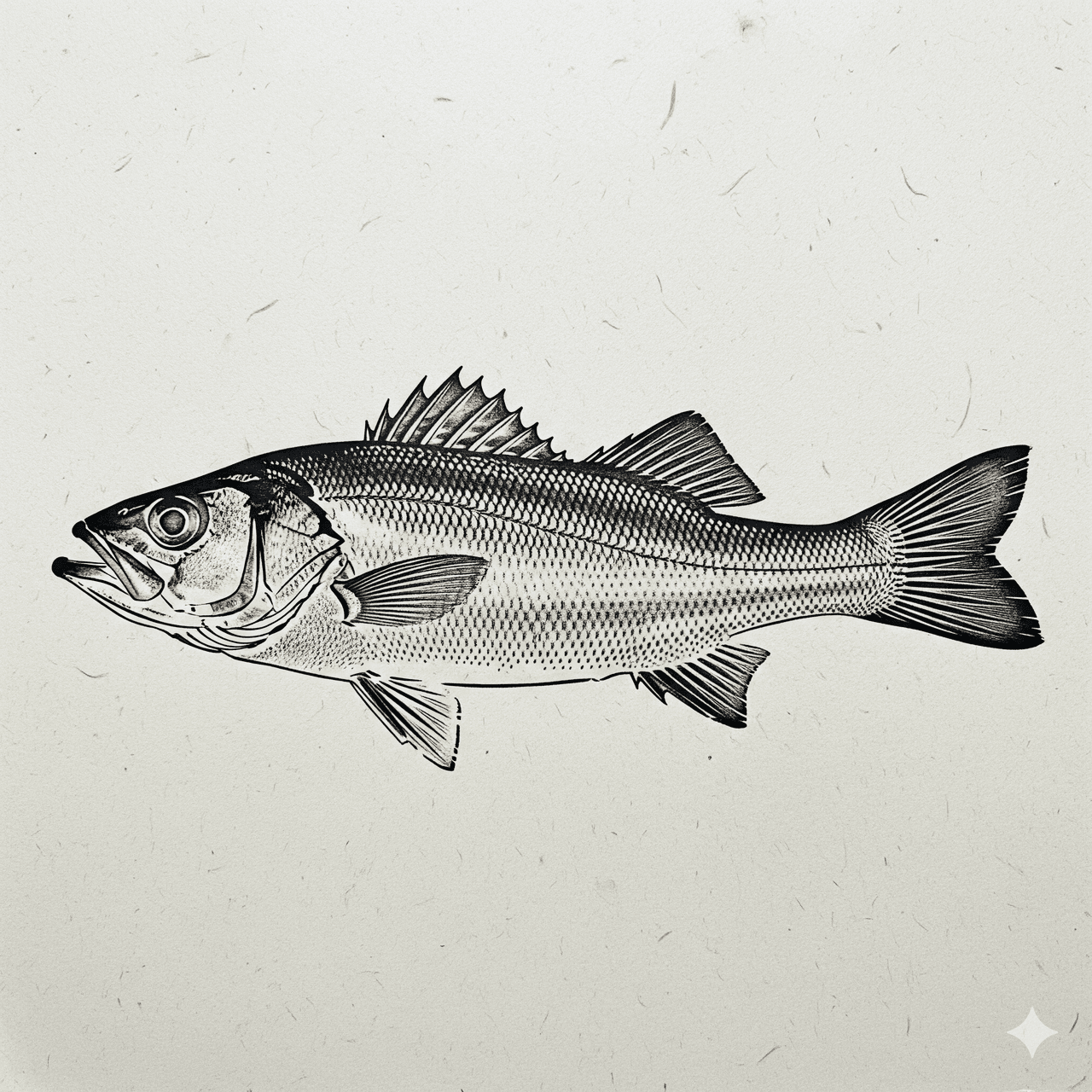
Representative Gyotaku Image (Generated by Artificial Intelligence)
Traditional gyotaku begins by applying black ink (sumi), resin, and adhesive to the surface of the fish; then, thin, absorbent Japanese paper (washi) is placed over the fish and pressed to transfer the imprint. This process captures all anatomical details of the fish, with the eyes typically painted by hand. Today, two main techniques are prominent:
This method uses light tones to reproduce the fish’s original coloration. The paper is placed directly on the fish and pressed with fingers to capture fine details. Master Masatzu Matsunaga is a leading representative of this technique and founded the Takuseikai art society in Osaka in 1977. The process has a time limit of 30 to 40 minutes, depending on humidity; imperfections that arise during printing, such as white areas, are accepted as unique characteristics and are not retouched. This preserves gyotaku’s quality as an instantaneous “snapshot” of the fish.
Developed in the 1940s by Ryuzaburo Takao, this technique involves cleaning the fish and covering it with paper or fabric. Lightly diluted pigments are applied to the surface using sponges, following a coded color sequence. The Tatsunoko-kai community adopts this method; notable artists include Ryutaro Ohno, Haryu Ide, and Mineo Sakamoto. The indirect method offers the artist unlimited flexibility in controlling and modifying the final result. In both methods, retouching is prohibited except for the eyes; otherwise, the work cannot be classified as gyotaku.
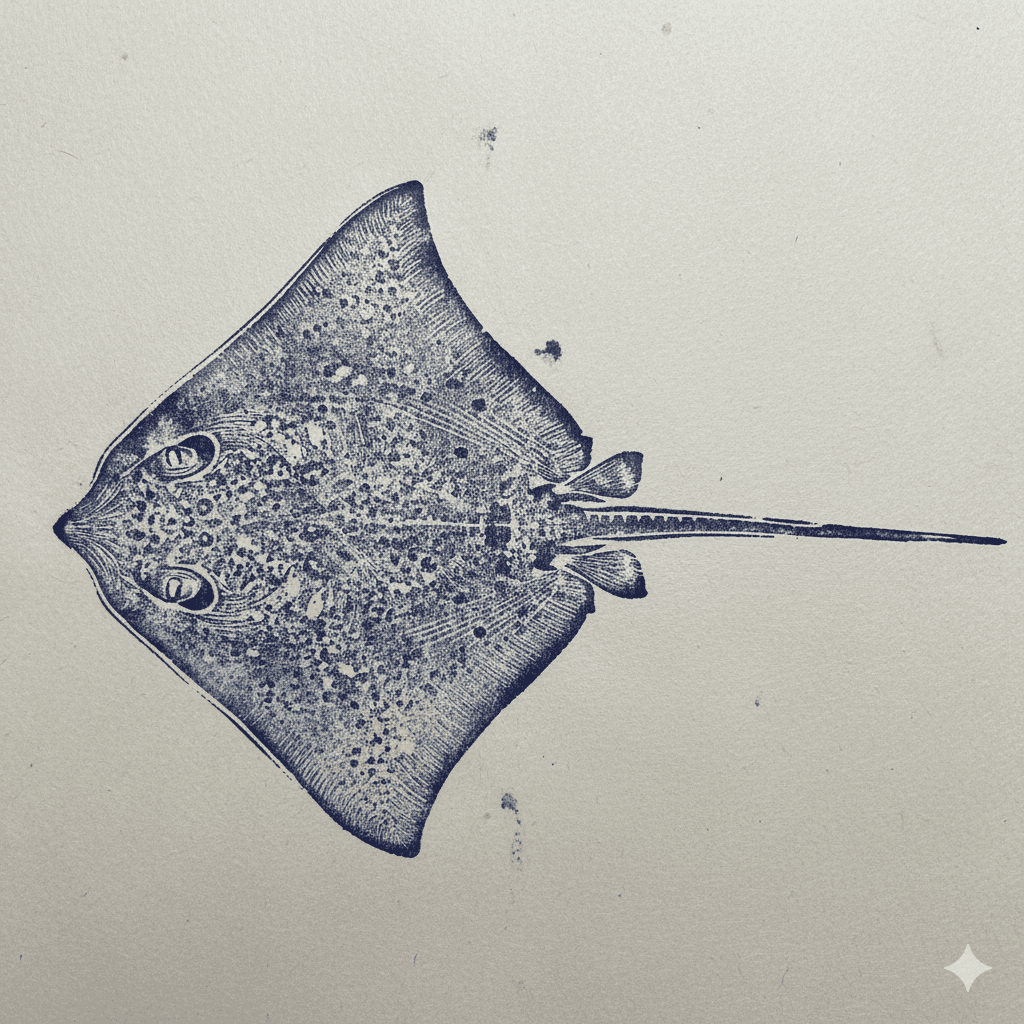
Representative Gyotaku Image (Generated by Artificial Intelligence)
The oldest known gyotaku examples date from 1836 to 1839 and are carefully preserved in institutions such as the Tsuruoka City Library, Chido Museum, and Homma Art Museum. This practice became especially widespread among the local population in the Yamagata region during the 19th century, reflecting the culture of fishing.
Modern research has revealed gyotaku’s potential as a source of biogeographical and historical fish data. A study by Miyazaki and Murase, conducted across four regions from northern to southern Japan, examined 261 gyotaku prints and found that prints produced before 1985 are rare, while 2002 marked the peak year of production. This research confirms gyotaku as a reliable method for obtaining historical biological diversity data and provides accessible records for the last 30 to 40 years. However, the fragile nature of older prints and difficulties in their preservation increase the risk of these records being lost.
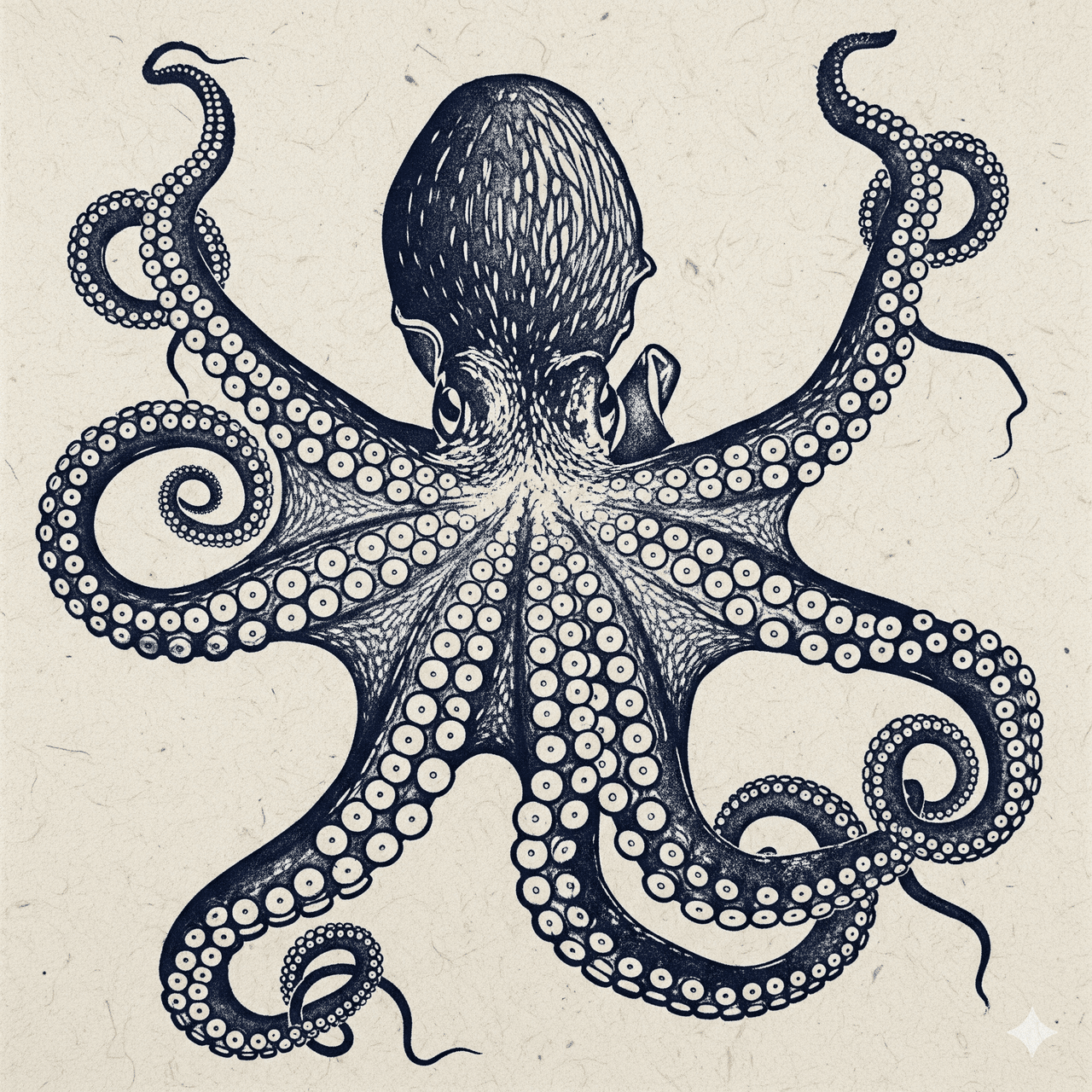
Representative Gyotaku Image (Generated by Artificial Intelligence)
Originally emerging as a practice tied to fishing, gyotaku has since become an important element of Japanese art and education. Traditional black ink prints offer a simple yet powerful aesthetic, while colored prints have enriched the artistic dimension of modern gyotaku. Different schools and communities, such as Takuseikai and Tatsunoko-kai, have expanded the technical diversity of gyotaku and contributed to its global recognition. In Japan, this art is closely associated with fishing traditions; upon spreading to America, it transformed into a form of artistic expression shaped by environmental awareness.
Gyotaku Documentary (ROANOKE)
Gyotaku provides data on historical fish distribution and biological diversity. The dates and locations recorded on the prints can be used to monitor endangered or regionally rare species. Miyazaki and Murase’s study demonstrated that gyotaku prints offer reliable data specifically for the last 30 to 40 years.
For example, gyotaku records of species such as the Sakhalin taimen (Hucho perryi), small-scale sillago (Sillago parvisquamis), and Japanese lates (Lates japonicus) are critical for understanding their historical population status. However, the fragility of the prints and poor storage conditions in shops—such as exposure to humidity, tobacco smoke, and UV light—have made preservation of older examples increasingly difficult. This situation underscores the need for further research and digital archiving to fully assess gyotaku’s scientific potential.

Technical Methods
Direct Method
Indirect Method
History and Collections
Artistic and Cultural Significance
Gyotaku as a Source of Biological Data