This article was automatically translated from the original Turkish version.
Body Type | A car with a short and compact rear and no trunk extension | ||||||||
|---|---|---|---|---|---|---|---|---|---|
Trunk | Accessed through a single hatch that opens together with the passenger cabin and rear window | ||||||||
Number of Doors | Typically has 3 to 5 doors | ||||||||
Compact Structure | Has a shorter body than sedan models and is suitable for urban use | ||||||||
Interior Volume | The rear seats can be folded to expand the trunk capacity | ||||||||
Advantage(s) | Fuel efficiency and practical parking capability easy maneuverability | ||||||||
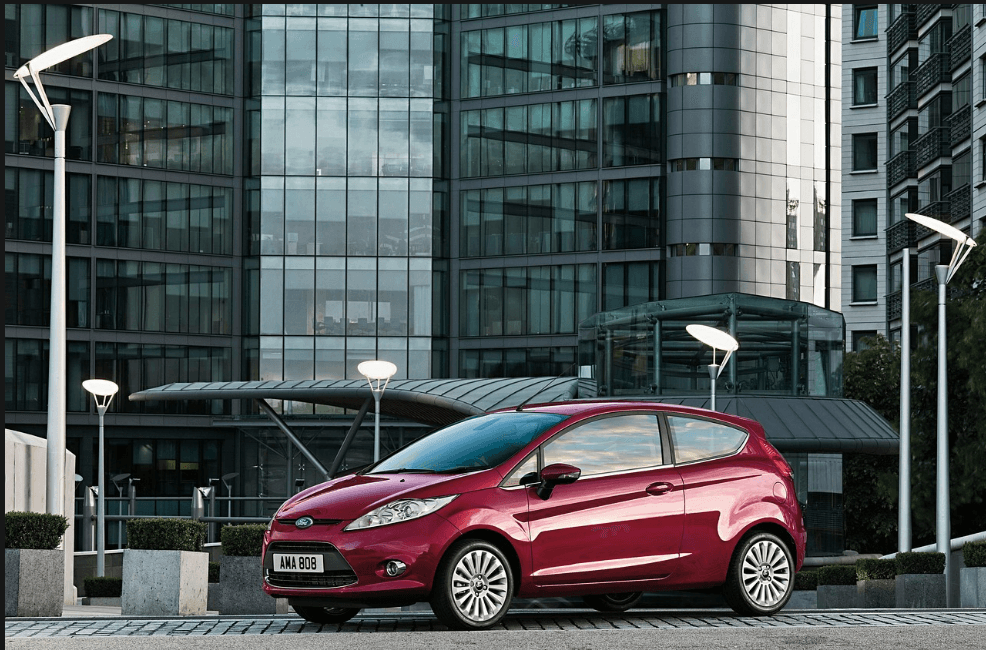
A hatchback is a type of automobile defined by its body style. These vehicles feature a compact, short rear end without a separate trunk extension. The luggage compartment is integrated with the passenger cabin and accessed through a single large hatch that opens together with the rear window. Hatchbacks are typically produced with three or five doors and generally have a seating capacity of more than four passengers. Due to their shorter and more compact structure, they are also referred to as "HB".
The most distinctive design feature of hatchback automobiles is the absence of a trunk extension and a rear section that slopes downward from the roof in smooth, rounded lines. The luggage hatch opens as a single unit with the rear window, providing wide access to the cargo area. Hatchbacks have a shorter body compared to sedan models. This compact design offers drivers greater convenience, particularly in dense urban traffic and during parking maneuvers.
Technically, hatchback vehicles are often built on the same platforms as sedans or station wagons. In many hatchback models, the rear seats are foldable. This feature expands the luggage capacity, enabling the transport of larger items. They attract attention with their modern designs and sporty appearance.
Hatchback vehicles exhibit clear distinctions when compared especially to sedans. Sedan automobiles have a three-part structure with separate compartments for the engine, passengers, and luggage. In hatchbacks, these sections are combined in a unified design. The shorter and more compact structure of hatchbacks provides greater maneuverability than sedans. Additionally, hatchbacks are generally lighter and benefit from aerodynamic designs, giving them an advantage in fuel efficiency.
SUVs (Sport Utility Vehicles), on the other hand, have a taller, larger, and more imposing appearance than hatchbacks. SUVs typically offer greater interior volume and luggage space. Thanks to their higher ground clearance and traction, they are suitable for off-road conditions. While hatchbacks are primarily designed for urban use, SUVs are often preferred by larger families or those who require vehicles capable of handling challenging terrain.
Hatchback automobiles are produced across various segments such as A, B, and C, appealing to a broad user base. Due to their compact size and maneuverability, they are especially favored by people living in urban environments. The expanded luggage capacity and foldable seats make these models attractive to families with children and pet owners. Their sporty designs and modern aesthetics are popular among young drivers and women. Their fuel efficiency is a feature that appeals to drivers of all age groups.
Some hatchback models include high-performance variants known as "Hot Hatch" or "Fast Hatchback." These models offer a more sporty driving experience compared to standard hatchbacks and are often distinguished by their three-door design.
Citroen. (n.d.). Hatchback araç nedir?. Accessed August 16, 2025. https://www.citroen.com.tr/citroen-dunyasi/citroen-mag/hatchback-arac-nedir.html
KIA. (n.d.). Hatchback segmentleri, özellikleri ve birbirlerinden farkları. Accessed August 16, 2025. https://www.kia.com/tr/faydalibilgiler/haberler/Teknoloji/hatchback-segmentleri-ozellikleri-ve-farklari.html
Lexus. (n.d.). Hatchback araba nedir. Accessed August 16, 2025. https://www.lexus.com.tr/lexusu-kesfet/lexus-otomobilleri-hakkinda-hersey/hatchback-araba-nedir
Pixabay. (2018). Ford Fiesta, oto, araç, hatchback. Accessed August 16, 2025. https://pixabay.com/tr/photos/ford-fiesta-oto-ara%C3%A7-hatchback-3577591/
Toyota Blog. (n.d.). Hatchback nedir?. Accessed August 16, 2025. https://blog.toyota.com.tr/hatchback-nedir/
Volkswagen. (n.d.). Hatchback araba nedir. Accessed August 16, 2025. https://binekarac.vw.com.tr/tr/volkswagen-dunyasi-teknolojisi/volkswagen-surus-rehberi/Bilgilendirme/hatchback-araba-nedir.html

Body Type | A car with a short and compact rear and no trunk extension | ||||||||
|---|---|---|---|---|---|---|---|---|---|
Trunk | Accessed through a single hatch that opens together with the passenger cabin and rear window | ||||||||
Number of Doors | Typically has 3 to 5 doors | ||||||||
Compact Structure | Has a shorter body than sedan models and is suitable for urban use | ||||||||
Interior Volume | The rear seats can be folded to expand the trunk capacity | ||||||||
Advantage(s) | Fuel efficiency and practical parking capability easy maneuverability | ||||||||
Hatchback Design and Features
Differences Between Hatchbacks and Other Vehicle Types
Hatchback Models and User Profile