

This article was automatically translated from the original Turkish version.
+2 More
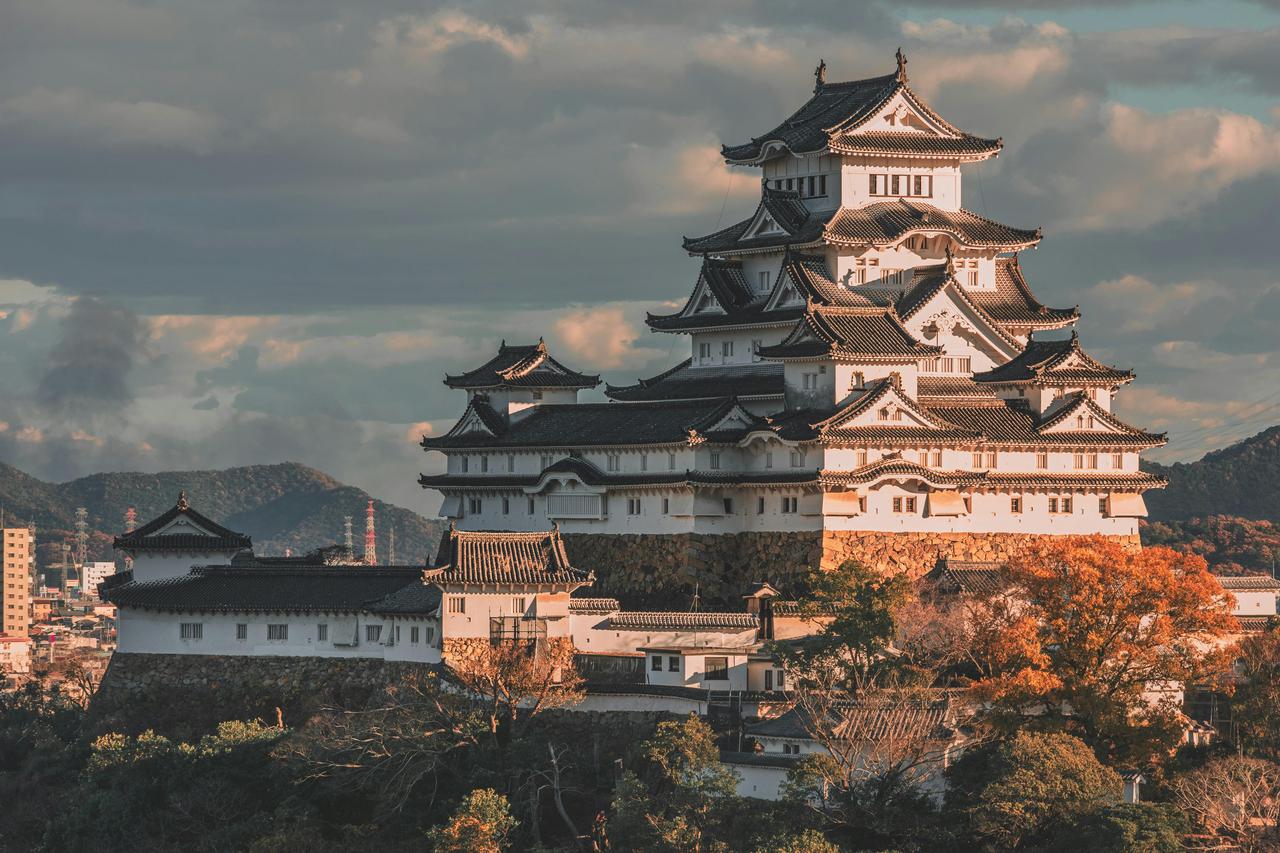
Himeji Castle is a historical structure located in the central area of the city of Himeji, in Hyōgo Prefecture, Japan. Its white plastered walls and elegant roofs have earned it the nickname “White Heron Castle” (Shirasagi-jō). The castle is regarded as one of the best-preserved examples of feudal Japanese architecture, and its inclusion on the UNESCO World Heritage List reinforces its international cultural significance.

Himeji Castle (Ehsan Haque, Pexels)
The foundations of Himeji Castle date back to the 14th century. In 1333, Akamatsu Norimura built the first fortress on Himeyama Hill. In 1561, under the control of the Kuroda clan, the castle became a military and political base and emerged as one of the strategic regions of feudal Japan. In 1581, Toyotomi Hideyoshi strengthened the castle by adding the main keep. Between 1601 and 1609, Ikeda Terumasa undertook an extensive reconstruction that gave the castle its present complex structure. This historical evolution ensured the castle’s role as one of the central administrative and defensive sites of feudal Japan.
The castle consists of a total of 83 structures. The main keep appears to have five stories but actually contains six internal levels. Wooden constructions, stone foundations, and white plastered walls provide both aesthetic appeal and defensive functionality. The labyrinthine passageways were designed for defense, aiming to confuse and control enemy movement. The slope of the roofs and the arrangement of the stone walls reflect engineering solutions that have ensured the castle’s durability over centuries.

Himeji Castle (Sam Schiro, Pexels)
Himeji Castle features numerous defensive mechanisms that reflect the military strategies of feudal Japan. Its walls and moat system were constructed to impede attackers. Labyrinthine courtyards, narrow gates, and hidden rooms were designed to slow enemy advances and optimize defense. This defensive layout exemplifies the level of engineering achieved during the Japanese feudal period.
Himeji Castle is important for understanding the social and cultural structure of feudal Japan. Its woodwork, aesthetic design, and white silhouette have served as sources of inspiration in Japanese art; the castle’s image is frequently used in paintings, photographs, and tourism promotions. The administrative activities and military arrangements carried out within the castle during the feudal period provide valuable insights into Japan’s historical governance system.
The castle has undergone various restoration processes throughout its history. Particularly between 2010 and 2015, comprehensive restoration work preserved the original wooden and stonework while reinforcing the structure with modern conservation techniques. These restorations, conducted in accordance with UNESCO criteria, have ensured the protection of Himeji Castle as a cultural heritage site at both national and international levels.
Today, Himeji Castle is one of Japan’s most visited historical sites. Visitors can directly observe the architectural, military, and cultural characteristics of feudal Japan through the castle. Guided tours and exhibitions support both tourism and educational purposes, enhancing public understanding of the castle’s historical significance.


History
Architectural Features
Defense Strategies and Technology
Cultural and Artistic Significance
Restoration and Conservation Efforts
Touristic and Educational Role