
This article was automatically translated from the original Turkish version.
+2 More
Home Advantage
Affected Groups | Athletes, referees, coaches, opposing teams | ||||||||
|---|---|---|---|---|---|---|---|---|---|
Positive Aspect | Increases motivation, strengthens team spirit | ||||||||
Negative Aspect | Can lead to excessive pressure and fear of mistakes | ||||||||
Field | Sports Psychology, Behavioral Science | ||||||||
Theorists | Zajonc (1965) Courneya & Carron (1992) | ||||||||
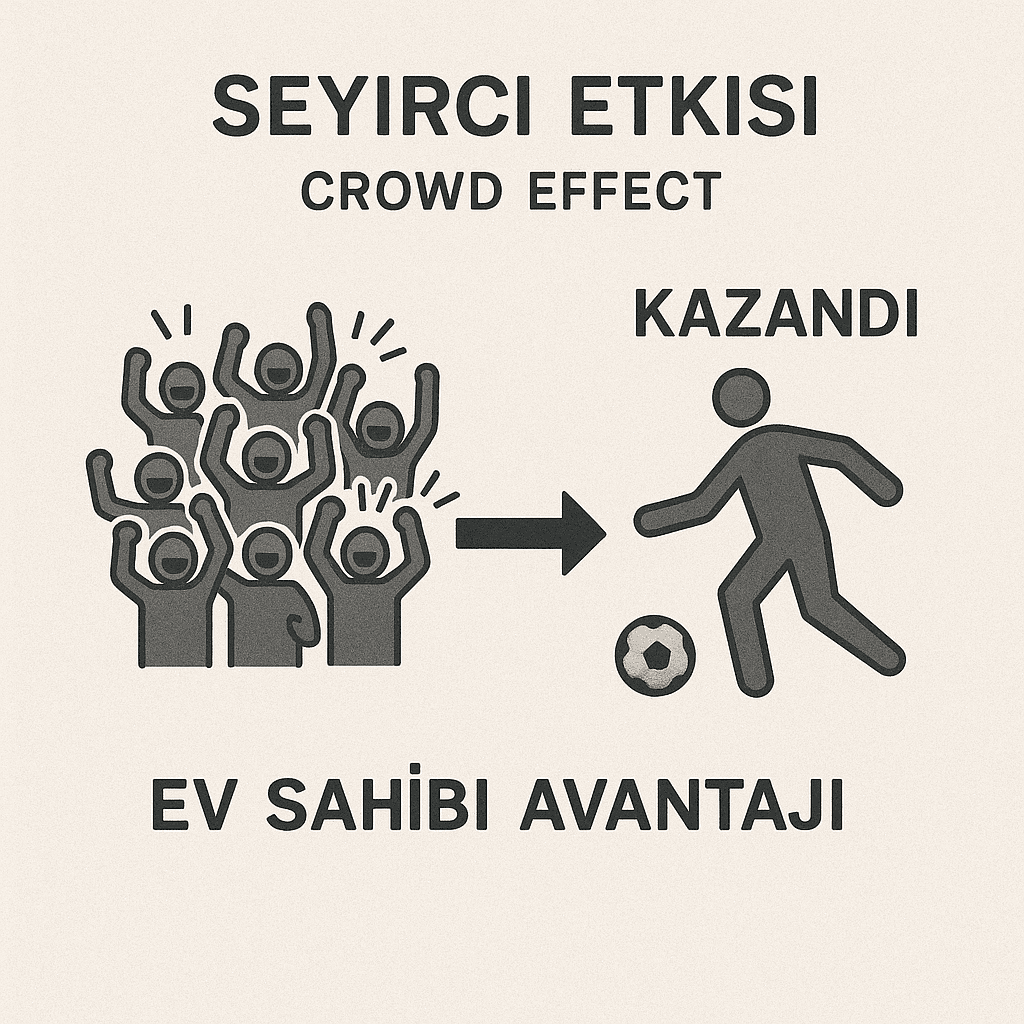
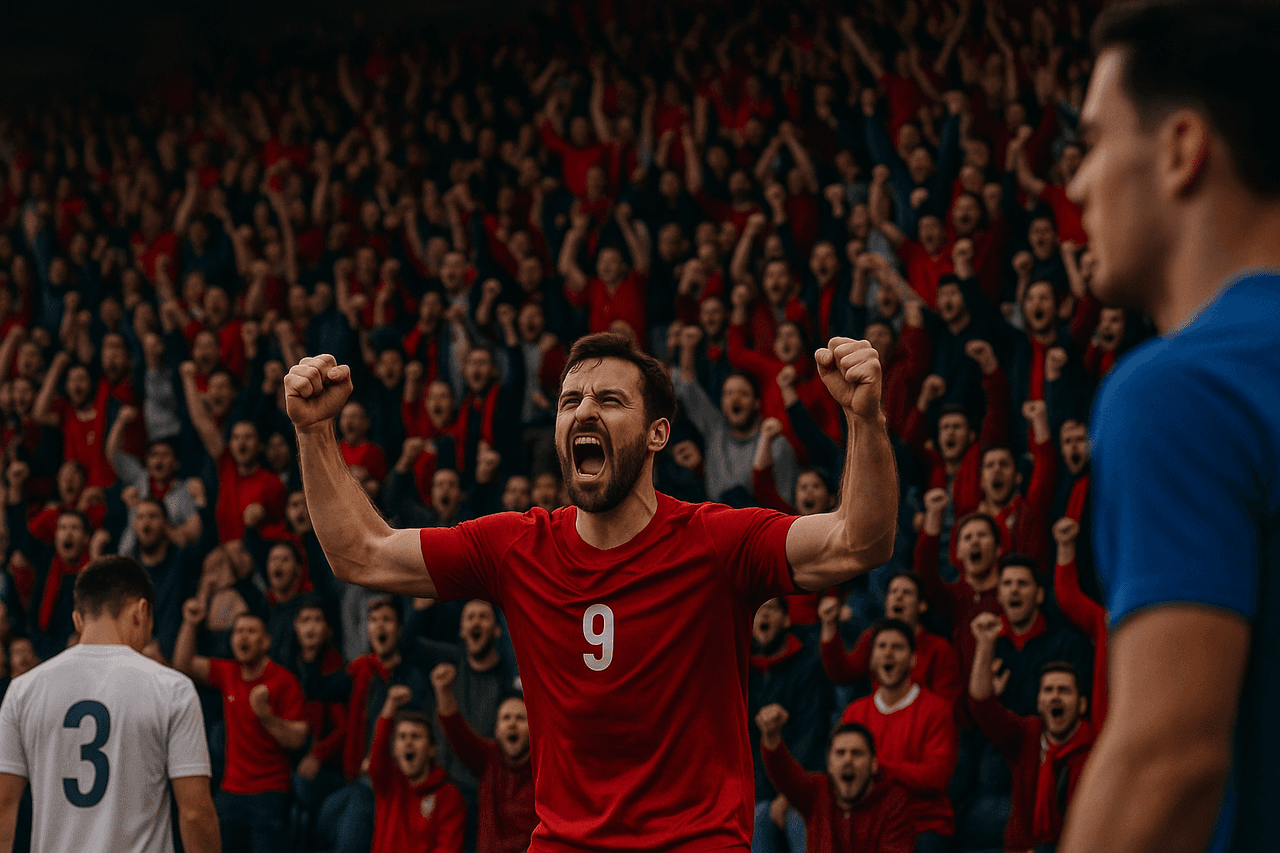
The home advantage refers to the phenomenon in which a player’s or team’s performance changes in response to the presence and reactions of spectators in the stands. A classic example of this effect is the tendency for “home teams” to perform better on their own grounds. Fan support can boost players’ morale and energy while simultaneously applying psychological pressure on the opposing team. However, in some cases, this dynamic can generate stress for athletes and lead to performance decline.
One of the most prominent factors contributing to home team success is fan support. Spectators’ chants and displays enhance players’ motivation and positively influence factors such as self-confidence, aggression, and energy. Allen and Jones reported that athletes competing in front of large crowds exhibit increased physiological responses prior to competition, particularly elevated levels of cortisol and heart rate. While this heightened arousal can improve focus and excitement, it may also lead to overstimulation and stress in some athletes.
Home teams are more familiar with the conditions of their own venues, including pitch quality, weather, and lighting. These physical environmental factors can produce significant performance differences, especially in outdoor sports. Additionally, home teams are not subject to the fatigue and time zone disruptions associated with travel.
Nevill and Holder’s research demonstrated that referees tend to make more decisions favorable to the home team under the influence of crowd pressure. This effect is particularly pronounced in fast-paced, subjective sports such as football. Referees may unconsciously become sensitive to the crowd’s reactions, which can influence critical decisions such as fouls, penalties, or card issuance.
According to Zajonc’s social facilitation theory, individuals perform better on familiar and well-learned tasks in the presence of observers, but their performance may decline on new or complex tasks. This explains why home team players often feel more comfortable and confident playing on their familiar ground before supportive fans, while away teams experience increased pressure under similar conditions.
The presence of spectators can induce “evaluation apprehension” in athletes, increasing stress levels. This cognitive burden may impair performance, particularly among young or inexperienced players. The phenomenon known as “choking under pressure,” frequently observed in high-stakes matches, can be explained by this mechanism.
Home team players experience a stronger sense of belonging due to shared group identity with their supporters. In this context, the psychological feeling of “we” becomes prominent. A collective team identity can enhance group motivation and positively influence performance.
The home advantage also has neuroscientific explanations. Spectator noise and chanting activate the amygdala—the brain’s threat-detection center—triggering emotional responses. Simultaneously, activation of the HPA (Hypothalamic-Pituitary-Adrenal) axis leads to cortisol release, increasing the body’s fight-or-flight response. Suppression of the prefrontal cortex may impair higher-order functions such as attention and decision-making. These biological mechanisms can create a psychophysiological imbalance favoring the home team and disadvantaging the away team.
Amygdala Activation: Fan pressure increases threat perception and triggers emotional responses via the amygdala.
Prefrontal Cortex: Higher-order functions such as planning and attention can be suppressed under stress. Fan pressure may disrupt this cortical processing.
HPA Axis: Intense chanting or noise can elevate cortisol levels, leading to either performance decline or excessive motivation in athletes.
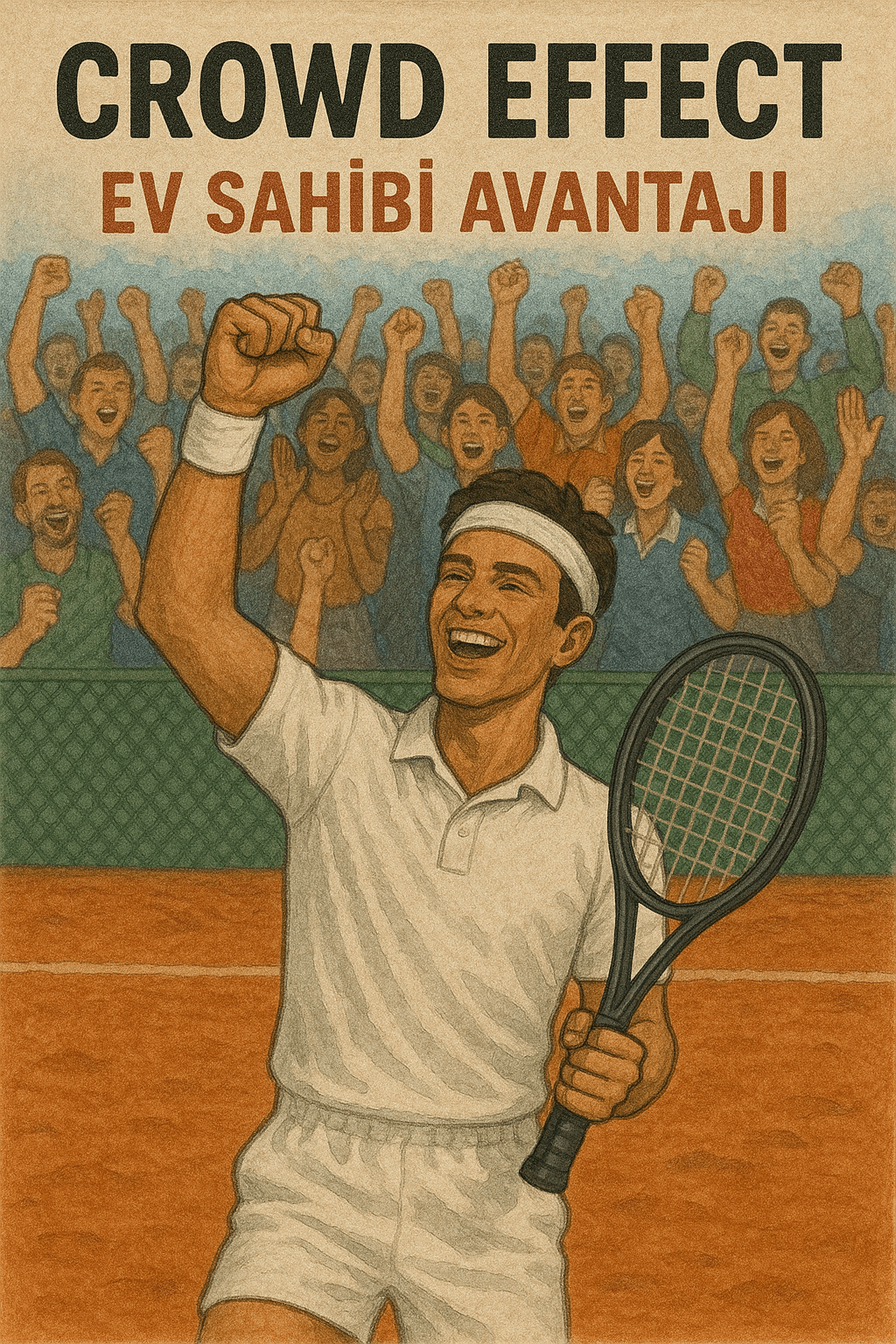
(Generated with the assistance of artificial intelligence.)
During the COVID-19 pandemic, sporting events worldwide were held without spectators. Leitner and Richlan (2021) found that the home advantage significantly diminished during this period, and referee decisions became more neutral. Additionally, some young athletes performed better without crowd pressure. This provides experimental evidence for the substantial influence of fan presence.
The home advantage affects not only players but also referees, coaches, and even the pace of the game. Coaches may adopt more aggressive strategies in response to fan expectations. Opposing team players may commit more errors under pressure. Together, these effects underscore that sport is not merely a physical activity but also a psychological and social phenomenon.
(Generated with the assistance of artificial intelligence.)
To help athletes cope with home crowd pressure, mental resilience programs are recommended. Techniques such as focus training, breathing exercises, visualization, and crowd simulation can enhance athletes’ psychological flexibility in the face of spectator influence.
In conclusion, the spectator effect shapes not only the outcome of games but the very structure of sport. The chants from the stands are not merely noise—they function as a hidden engine driving on-field performance. Yet this engine does not always operate positively. Sometimes it overloads the system; at other times, it strains it. This is why the sociology of sport is as important as its psychology.
Allen, Mark S., and Marc Jones. “The ‘Home Advantage’ in Athletic Competitions.” *Current Directions in Psychological Science* 20, no. 1 (2011): 48–52. Accessed May 10, 2025. https://www.jstor.org/stable/44319033.
Courneya, Kerry S., and Albert V. Carron. “The Home Advantage in Sport Competitions: A Literature Review.” *Journal of Sport and Exercise Psychology* 14, no. 1 (1992): 13–27. Accessed May 10, 2025. https://doi.org/10.1123/jsep.14.1.13.
Leitner, Michael Christian, and Fabio Richlan. “No Fans–No Pressure: Referees in Professional Football During the COVID-19 Pandemic.” *Frontiers in Sports and Active Living* 3 (August 19, 2021): Article 720488. Accessed May 10, 2025. https://doi.org/10.3389/fspor.2021.720488.
Nevill, Alan M., and Roger L. Holder. “Home Advantage in Sport: An Overview of Studies on the Advantage of Playing at Home.” *Sports Medicine* 28, no. 4 (1999): 221–236. Accessed May 10, 2025. https://doi.org/10.2165/00007256-199928040-00001.

Home Advantage
Affected Groups | Athletes, referees, coaches, opposing teams | ||||||||
|---|---|---|---|---|---|---|---|---|---|
Positive Aspect | Increases motivation, strengthens team spirit | ||||||||
Negative Aspect | Can lead to excessive pressure and fear of mistakes | ||||||||
Field | Sports Psychology, Behavioral Science | ||||||||
Theorists | Zajonc (1965) Courneya & Carron (1992) | ||||||||
Reasons for Home Team Success
Familiarity with the Environment and Physical Factors
Bias in Referee Decisions
Theoretical Approaches
Social Facilitation Theory
Evaluation Apprehension and Social Pressure
Group Identity and Sense of Belonging
Neuropsychological Dimension
Empirical Findings
Natural Experiment: Matches Without Spectators
Scope of Influence
Psychological Resilience and Coping Strategies