


This article was automatically translated from the original Turkish version.

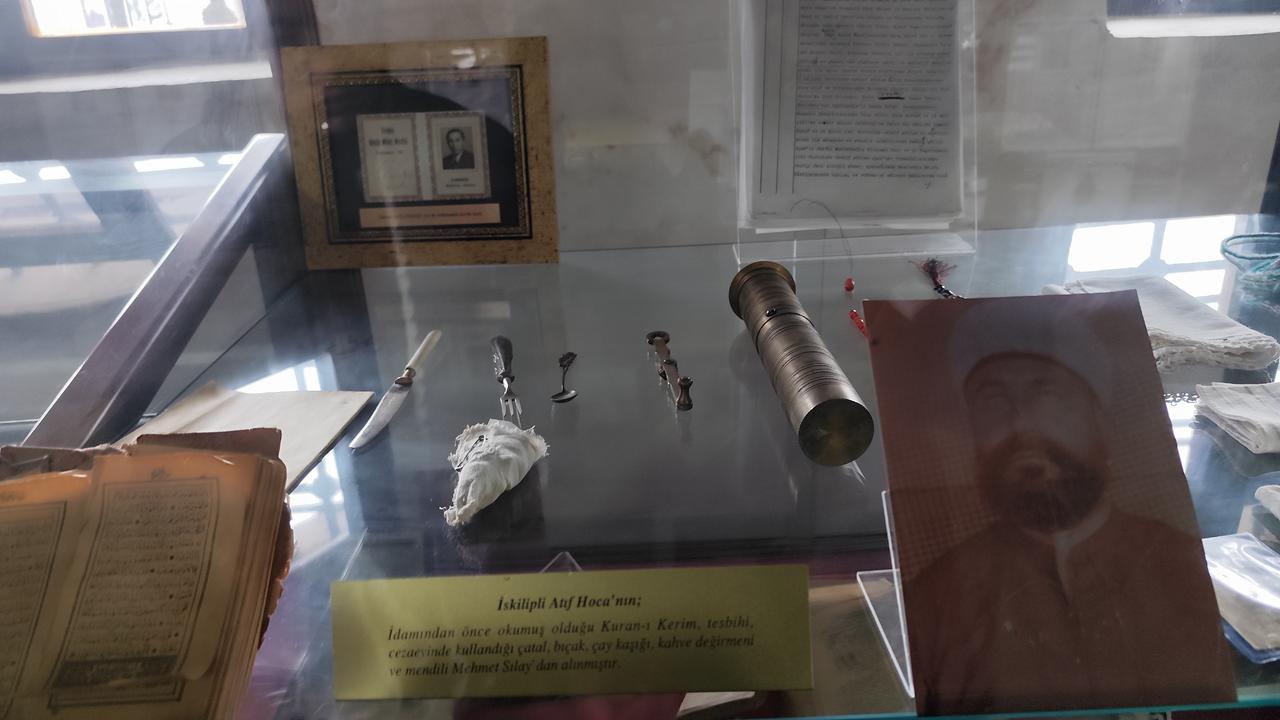
Kişisel Eşyalar (Fotoğraf: Fatma Zehra Azlal)
Rising abruptly beside Altındağ Hill in Ankara’s historic Altındağ district are tall, somber walls… As the rhythm of city life continues outside, stepping through the gate transports you into a space where time seems to halt and the air grows heavy: Ulucanlar Prison Museum.
This prison bore witness to some of the most turbulent periods of the Republic’s history, serving as a crossroads for hundreds of lives—from writers and poets to politicians, intellectuals, and ordinary convicts. Today, it stands as a profound memory space, quietly preserving the traces of the past.
Visiting this historic structure, where the echoes of longing poetry and unfulfilled dreams still resonate on the cellblock walls, and where so many famous figures once passed through, is not merely touring a museum; it is confronting Türkiye’s recent past face to face.
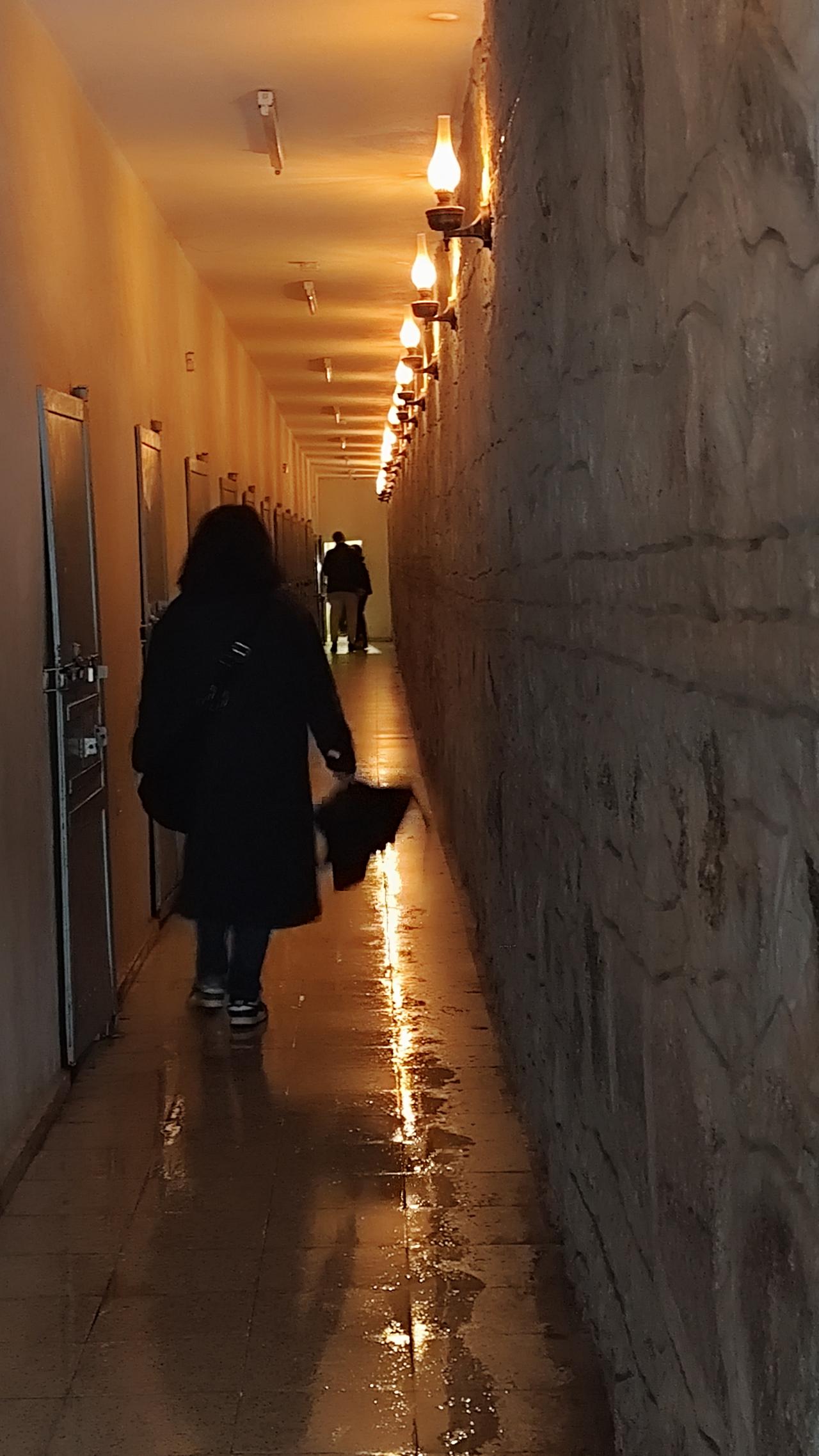
Hiltonun Koridoru (Fotoğraf: Fatma Zehra Azlal)
As I stepped through the heavy iron gate, my first impression was the sky—visible only as narrow strips between tall courtyard walls. Walking through the courtyards, once the only breath of freedom for inmates who counted the days, every step echoed against the stone walls. The wooden benches in the courtyards and the shadows cast by the wires on the walls conveyed in a single glance how precious a gift liberty truly is.
Stepping into the cellblocks, the cold and silence immediately envelop you. The bunks, their blankets, wooden tables, and stoves in the corners have been preserved exactly as they were.
The wax figures inside the cells, accompanied by faint poetry, letters, and ambient music played through hidden speakers, evoke an astonishing sense of reality. As I walked among the dates and scratches carved into the bunks and the old belongings hanging on the walls, seeing the cells once occupied by Necip Fazıl Kısakürek, Nazım Hikmet, Ahmed Arif, Bülent Ecevit and Muhsin Yazıcıoğlu, and the traces they left behind, brought with it a deep sorrow.
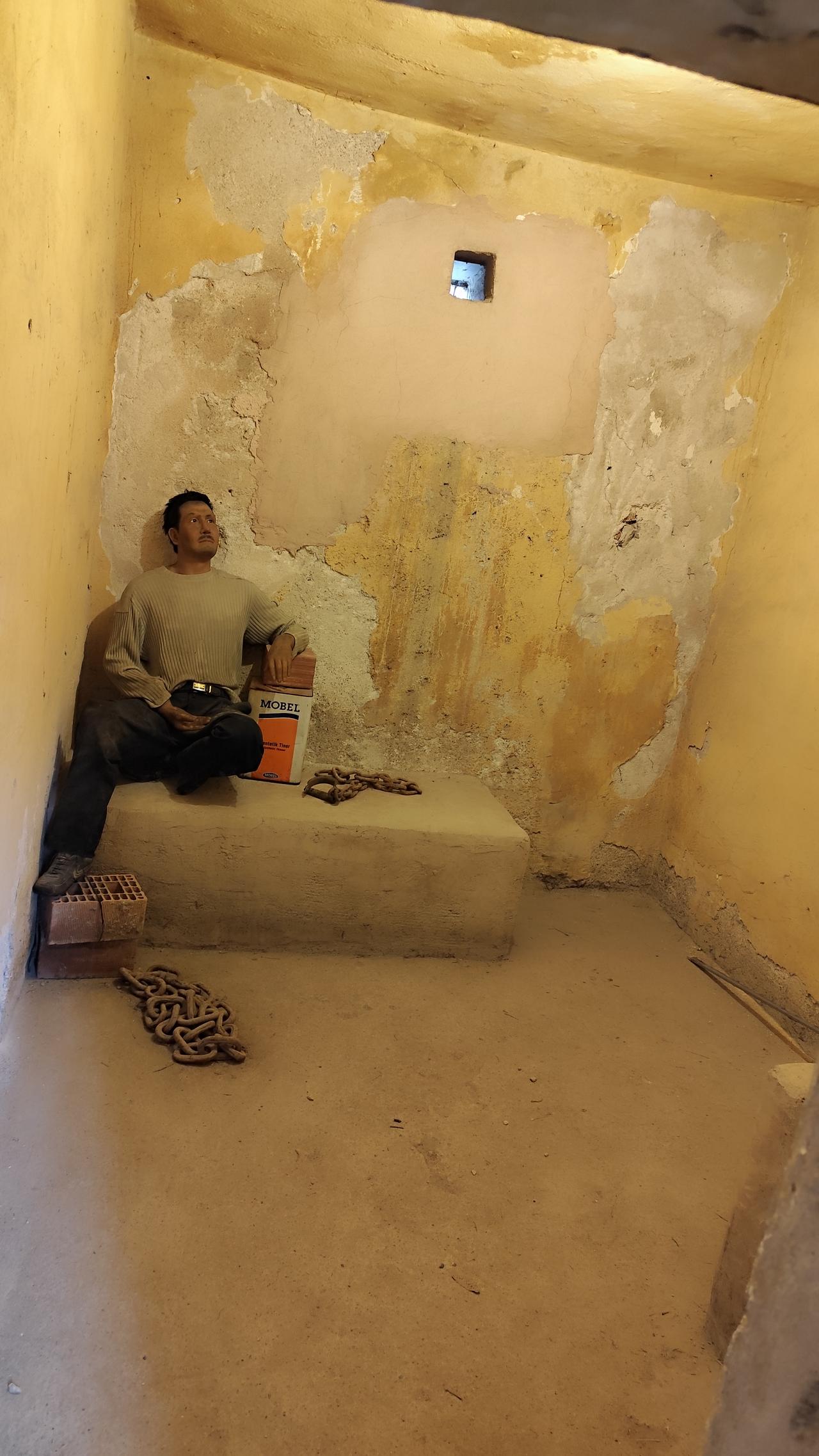
Ulucanlar Cezaevi Koğuş İçi (Fotoğraf: Fatma Zehra Azlal)
One of the most harrowing sections of the museum is undoubtedly the isolation cells and dungeons. These narrow, stone chambers, where light barely penetrates, were places where the limits of human psychology were tested. The section known as the “Hilton Cellblock,” named by inmates for its small window offering a view of Ankara’s landscape, stands as one of the prison’s most symbolic spaces. Standing before its tiny windows and gazing outward, I tried to imagine the feelings of those who once looked through that narrow slit at the free world beyond.
In the exhibition hall within the museum complex, original personal belongings of famous inmates are displayed: handwritten letters, typewriters, cigarette trays, glasses, and watches… Each object carries the story of a life cut short or a powerful stance taken. Standing beneath the great tree in the courtyard, reflecting on this journey, I could not help but imagine what the stone walls would say if they could speak.
As I left Ulucanlar Prison Museum and the wooden door closed behind me, I returned to the warmth of the present world and the gift of freedom. This place is more than a prison; it is an open classroom where endurance, resistance, literature, and the trials of the human spirit are displayed. Every traveler on an Ankara itinerary and every history enthusiast must walk these historic stones.
1. Stop: The Silence of Iron Gates and Courtyards
2. Stop: Cellblocks and the Revived Past Through Wax Figures
3. Stop: Dungeons and Isolation Cells (The Hilton Cellblock)
4. Stop: Personal Belongings and the Tree-Covered Courtyard