

This article was automatically translated from the original Turkish version.
+2 More
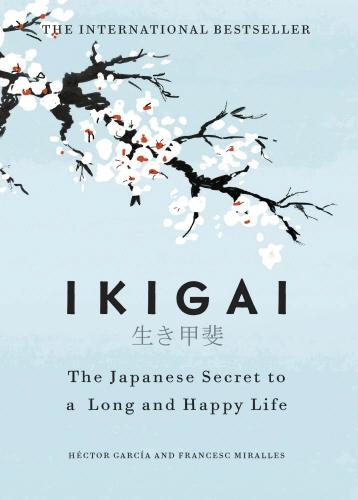
Name(s) | Ikigai – The Japanese Secret to a Long and Happy Life | ||||||||
|---|---|---|---|---|---|---|---|---|---|
Author(s) | Héctor García and Francesc Miralles | ||||||||
Translator(s) | Meltem Uzun | ||||||||
Publication Date | 2017-12-09 | ||||||||
Number of Pages | 176 | ||||||||
Size(s) | 13.5x19.5 cm | ||||||||
Héctor García (Kirai) and Francesc Miralles authored Ikigai, a nonfiction work centered on the Japanese concept of “ikigai,” which brings together themes of life purpose, happiness, balance, and longevity. Inspired by the lifestyles of centenarians living on Japan’s Okinawa Island, the book offers both philosophical insights and practical advice. “Ikigai” refers to the internal reason that motivates a person to wake up each morning—the purpose that gives meaning to life. The book seeks to explore this concept from both individual and cultural perspectives.
Ikigai focuses on the search for the reason that makes life meaningful, a notion deeply rooted in Japanese culture for centuries. This reason lies at the intersection of what one loves, what one is good at, what the world needs, and what one can be paid for. Through interviews with elderly residents of Okinawa, research data, and the authors’ observations, the book elucidates the concept of ikigai while also revealing the secrets of a long and healthy life.
The work incorporates numerous concepts from Japanese life philosophy: wabi-sabi (the beauty of imperfection), moai (a support group for lifelong companionship), and shikata ga nai (accepting what cannot be changed). These cultural principles demonstrate that ikigai is not merely an individual pursuit but also has a social dimension.
The central recommendation throughout the book is that individuals should discover their intrinsic motivations, engage in activities they are passionate about, and maintain their mental and physical well-being in the process.
The concept of ikigai addresses the most fundamental questions a person can ask themselves: “Why do I live?” “For what do I live?” and “What wakes me up in the morning?” This theme represents a simple holistic and balanced response from Japanese culture to existential questioning.
The reasons behind the long lives of Okinawans are explained under subheadings such as healthy eating, light physical activity (tai chi, yoga), stress management, and strong social bonds. By examining the lifestyles of these individuals, the book supports its claims about the “secret to a long and healthy life” with practical knowledge.
Being fully engaged in activities one loves, to the point of losing track of time (a state known as “flow”), is presented as a factor that positively influences mental health. The book cites numerous examples of artists, chefs, farmers, and artisans who live in harmony with their ikigai.
Moai groups, prevalent especially in Okinawa, Japan, are lifelong support networks in which individuals feel a deep sense of belonging. In the book, this concept is treated as a key theme illustrating how social connections sustain individual happiness.
The rhythmic flow of daily life, marked by small but meaningful habits—such as waking early, practicing tea ceremonies, or taking walks in nature—is presented as tangible expressions of ikigai. These habits enhance mental balance and elevate overall quality of life.
The book compares the concept of ikigai with Western notions of personal development, proposing a cultural synthesis. It presents the Japanese way of life—simple and mindful, practiced for centuries—as a model for addressing modern challenges such as burnout, aimlessness, and stress.
One of the recurring ideas in the book is the shift from seeking social recognition to pursuing inner fulfillment. Examples of individuals who live quietly, finding meaning for themselves and their surroundings, point to a form of happiness that exists beyond the desire for visibility.
García, Héctor, and Francesc Miralles. Ikigai: Japonların Uzun ve Mutlu Yaşam Sırrı. İstanbul: İndigo Kitap, 2017.
García, Héctor, and Francesc Miralles. Ikigai: The Japanese Secret to a Long and Happy Life. Illustrated ed. London: Penguin Life, 2017. Accessed July 17, 2025.

Name(s) | Ikigai – The Japanese Secret to a Long and Happy Life | ||||||||
|---|---|---|---|---|---|---|---|---|---|
Author(s) | Héctor García and Francesc Miralles | ||||||||
Translator(s) | Meltem Uzun | ||||||||
Publication Date | 2017-12-09 | ||||||||
Number of Pages | 176 | ||||||||
Size(s) | 13.5x19.5 cm | ||||||||
Subject
Themes Explored
Life Purpose and the Search for Meaning
Longevity and Healthy Living
Balance and Flow
Social Cohesion and Moai
Rituals and Daily Habits
Bridging West and East
Visibility and Silence