
+2 More

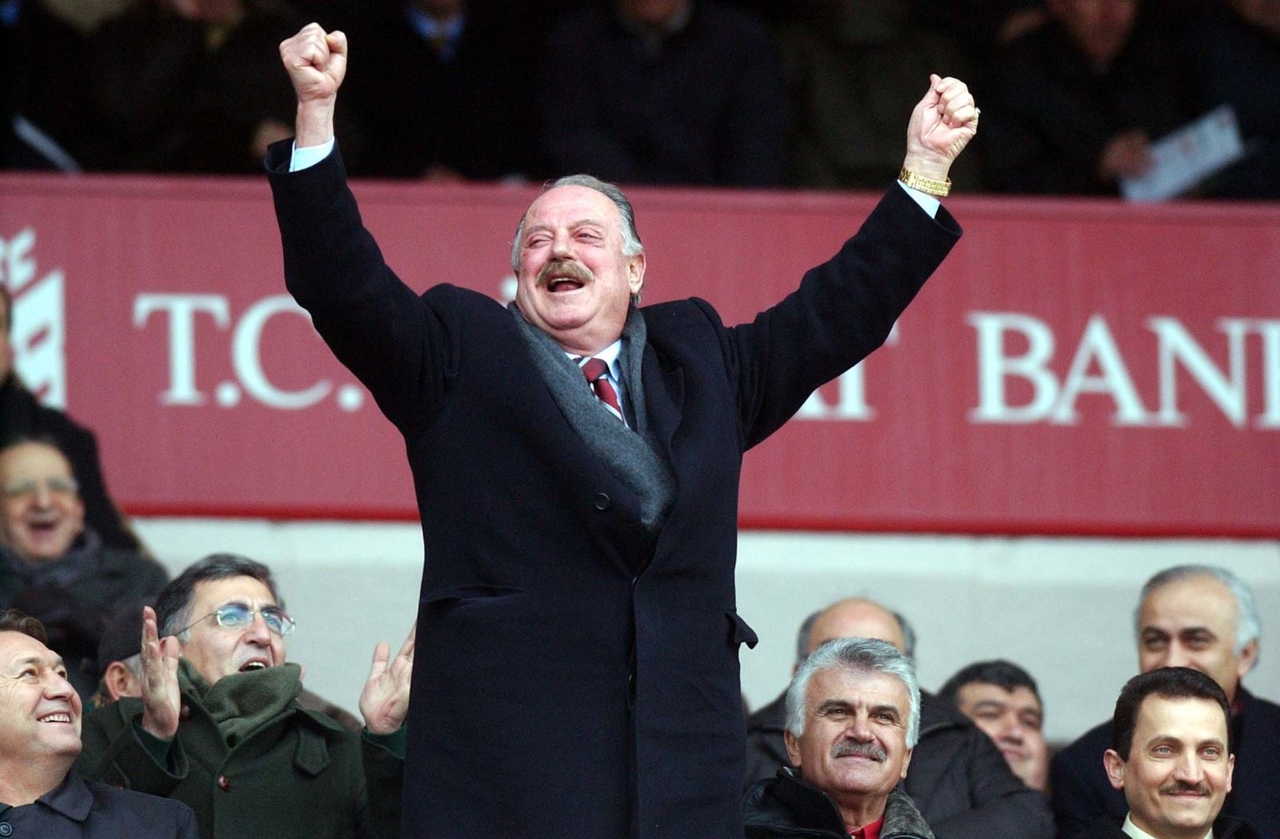
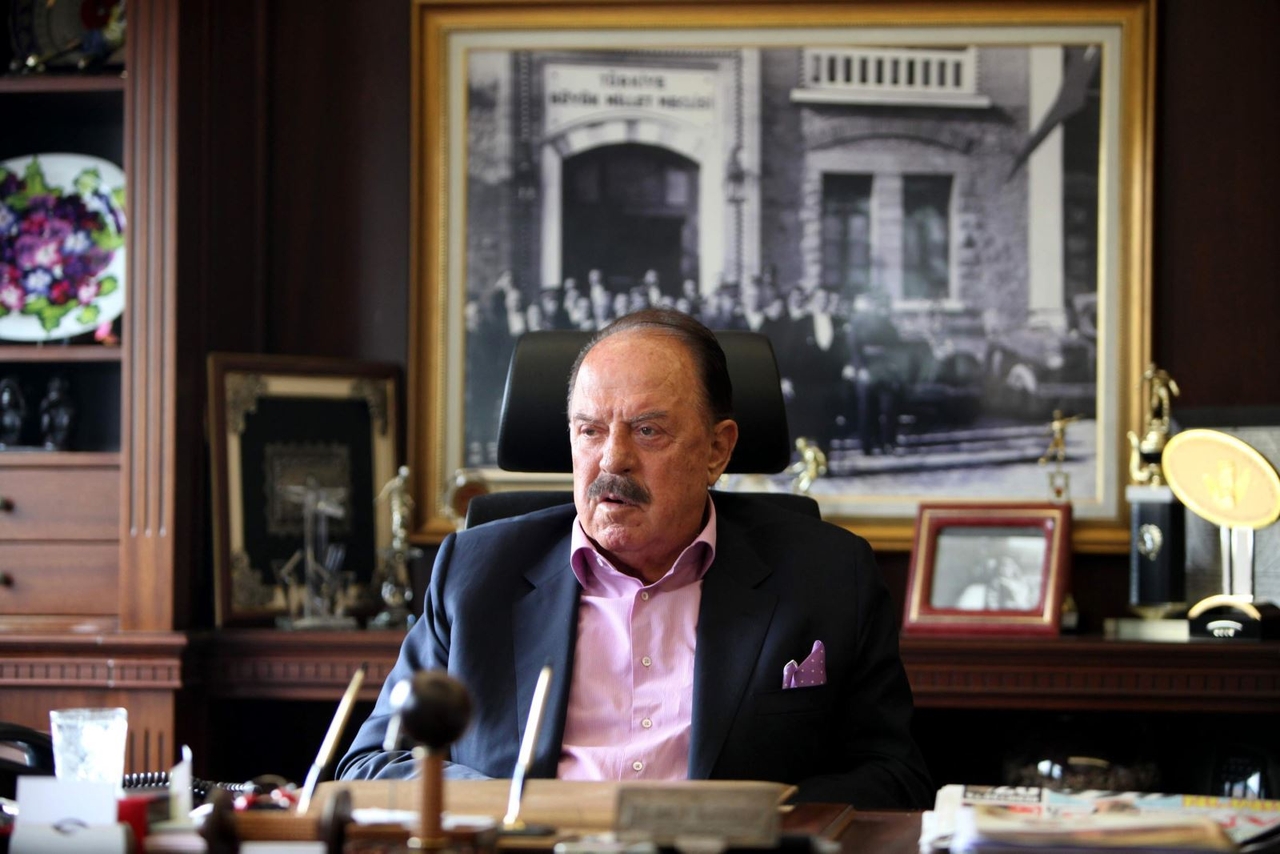
İlhan Cavcav was a businessman who engaged in long-term activities in both Turkey’s industrial sector and sports administration. Particularly through his 37-year presidency of the Gençlerbirliği Sports Club, he became one of the longest-serving club administrators in Türkiye. He also held various positions in institutional bodies such as the Turkish Football Federation and the Clubs Union Foundation. Additionally, through his activities in the milling industry, he played a significant role in the development of Ankara’s industry.

İlhan Cavcav - Anadolu Agency
İlhan Cavcav was born on 4 October 1935 in the Mamak district of Ankara. His family originated from the Balkans, having settled in Türkiye from Kosovo. His father, Haşim Cavcav, was a small business owner engaged in milling in Ankara. After completing primary school, Cavcav left middle school early and entered the family business. His early entry into commerce enabled him to assume an active role in the business world.
Cavcav was among those who expanded their business from the milling sector. He carried out various investments in flour production and trade through his operations in Ankara’s milling industry. He was one of the founders of the Ankara Millers Association and served as its president for an extended period. Through business ventures in food production and distribution, he established a consistent profile in the industrial sector. These experiences laid the foundation for the organizational skills he later applied in sports club administration.
Cavcav developed an interest in sports at a young age and played football at the amateur level. He had a brief career as a goalkeeper with Bahçelievler Gençlik Sports Club. After sustaining an injury, he ended his active sports career and shifted his focus to business. However, his passion for sports continued through his later involvement in sports club administration.
İlhan Cavcav was elected president of Gençlerbirliği Sports Club in 1978. During his presidency, the club experienced various successes and setbacks in Turkey’s football leagues. After being relegated in the 1980s, the club prioritized youth development investments and returned to the top divisions. Cavcav supported policies aimed at nurturing young footballers and played a key role in the transfer of numerous domestic and international players.
He established a long-term administrative structure for the club’s financial management and operations, implementing strategies to ensure sustainability through player sales revenue and investment balance. He led the club’s administration without interruption for many years.
Cavcav was one of the founders of the Clubs Union Foundation, the umbrella organization for teams in the Turkish Süper Lig. As its president, he actively participated in communication between the Turkish Football Federation and the clubs. He engaged in negotiations on issues such as broadcasting revenues, football financing, professional league structures, and regulations. In this context, he represented the collective interests of the federation and clubs in various meetings and processes.
His long tenure as president generated diverse public commentary. His management style was sometimes the focus of criticism, particularly regarding limited participation in internal decision-making processes and the involvement of family members in club administration. Despite these assessments, Cavcav continued his presidency until his death in 2017.
İlhan Cavcav passed away in Ankara on 22 January 2017. Following his death, the football community and public institutions issued numerous tribute messages. The Turkish Football Federation declared the 2017–2018 season as the “İlhan Cavcav Season.” One of Gençlerbirliği Sports Club’s facilities was renamed “İlhan Cavcav Facilities” in his honor.

İlhan Cavcav was farewelled on his final journey - Türkiye Futbol Federasyonu
Early Life and Family
Activities in Industry
Interest in Sports and Football Experience
Presidency of Gençlerbirliği Sports Club
Relationships with the Clubs Union and TFF
Management Style and Public Perception
Death and Subsequent Developments