


This article was automatically translated from the original Turkish version.
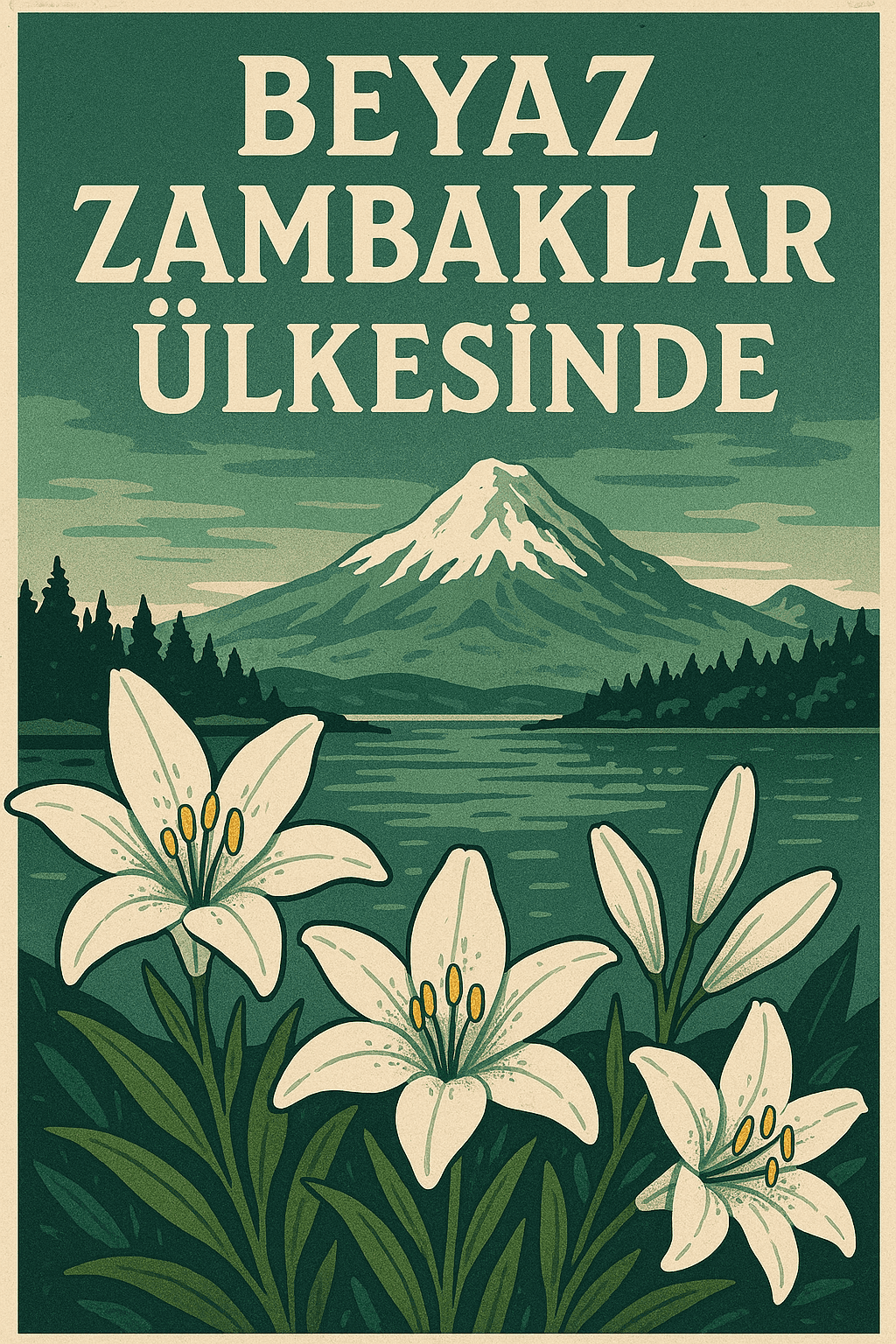
In the Land of White Lilies is a work written by Russian writer Grigoriy Petrov. The book was first published in 1923 and has reached a wide reader audience across many countries including Türkiye. Work is known as a book that narrates the national awakening and development process of Finland.
Grigoriy Petrov, in his book In the Land of White Lilies, examines the social and cultural transformation of Finland during the late 19th and early 20th centuries under the rule of the Russian Empire. The book focuses on Finland’s development through education, culture and social reform, portraying it as a barren country.
Petrov presents a realistic narrative grounded in observation, using an instructional tone. The book includes sections that encourage readers to reflect on the roles individuals must assume to achieve personal growth and reach societal common goals on.
The narrator of the book is both an observer and a participant in the events unfolding in the book at time time. Throughout his stay in Finland, the narrator observes the people’s education and cultural development. While striving to understand the lives of the people and the impact of education on their lives, he also conveys the book’s primary instructional messages. As a reflection of the author’s own thought and ideals, the narrator explains how Finland’s educational success paralleled the transformation in the people’s character.
This Russian officer, one of the main characters in the book, is a figure who comes to Finland to explore its education system and engages with the local population. This character enables the depiction of observations made by a group of officers from Russia during their time in Finland. The officer’s efforts to understand education and the lives of the people in Finland point directly to the book’s central theme: the role of education in social transformation. His interactions with the populace reflect Petrov’s human-centered, sincere and people-oriented narrative approach.
The characters at the heart of Finland’s successful education system are among the most significant figures in the book. These are selfless educators driven by the mission to educate and enlighten society. Teachers working in Finnish schools are portrayed as individuals who raise public awareness and impart knowledge. Their strong bonds with the people underscore that education serves not only academic purposes but also functions as a vehicle for social development draws.
One of the most important figures in the book is the Finnish peasant. Living in Finland’s rural areas, people are depicted as lagging behind in education and culture. However, in later sections of the book, the transformation and progress of these peasants through education are described. These characters symbolize the possibility of individual and societal change through education. The impact of education on the peasants’ lives is one of the book’s strongest themes.
The book also addresses the role of women in education and their place in society. In Finland, women played a vital role in expanding access to education. Petrov conveys the message that women must not only fulfill the role of mothers but also serve as educators and social leaders. The book demonstrates how women, through education, gained strength within society and assumed more active roles in public life.
In the book, the term “White Lilies” symbolizes Finland’s beauty and its brilliance in education. The lilies also represent the purity, cleanliness, and growth that emerge from the people’s education. This symbol is frequently used throughout the book as a recurring additional symbol metaphor. The whiteness of the lilies signifies the people’s liberation from ignorance and their leap toward a bright future through education step.
Petrov, Grigoriy. Beyaz Zambaklar Ülkesinde. Can Yayınları, 2021.

No Discussion Added Yet
Start discussion for "In the Land of White Lilies (Book)" article
Themes
Style
Characters
1. The Narrator Character (Representative of Petrov)
2. The Russian Officer (Main Character Interacting with the Local Population)
3. Finnish Educators and Teachers
4. Finnish Peasants and Farmers
5. Female Characters
6. White Lilies