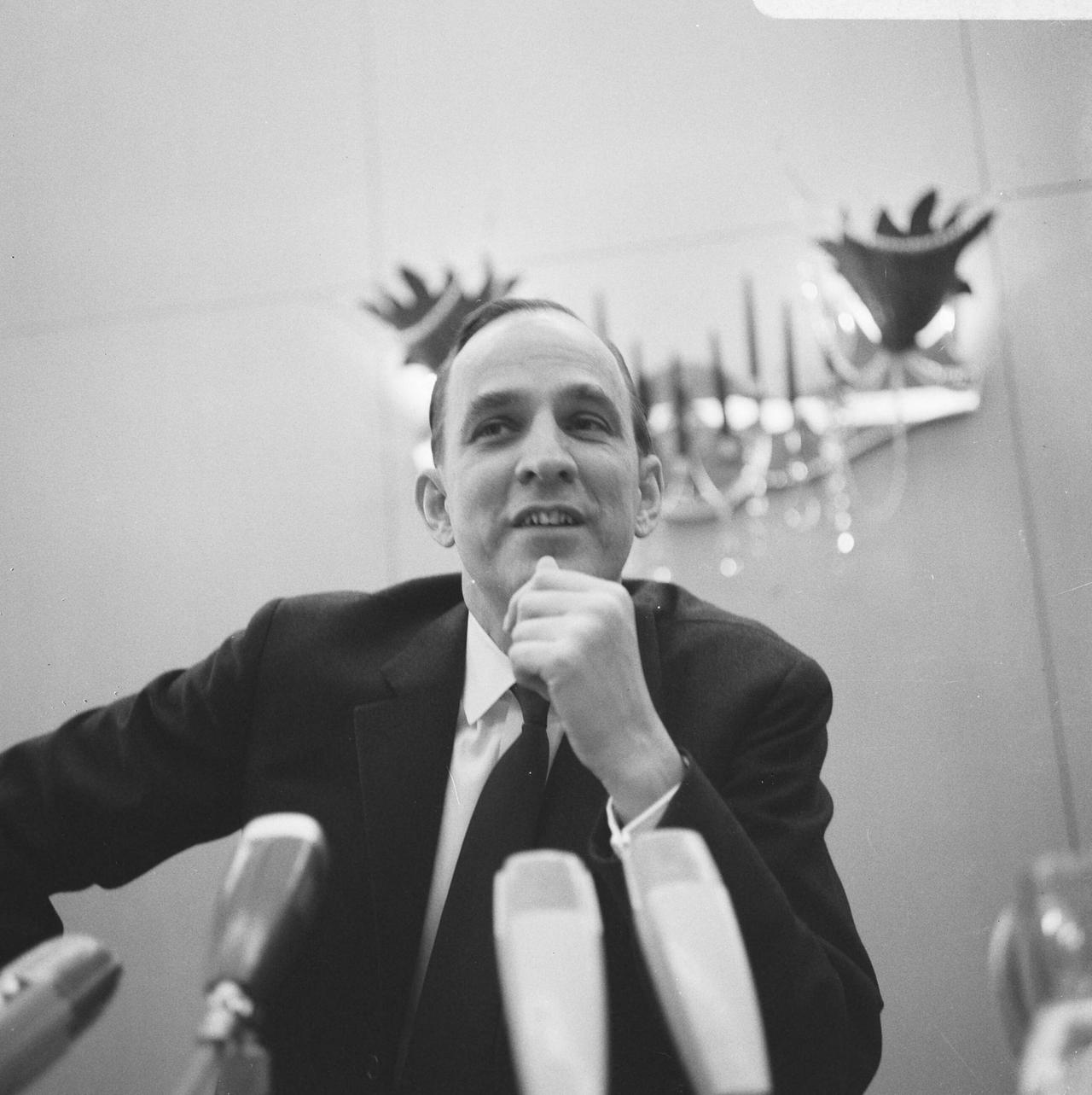



Name(s) | Ernst Ingmar Bergman | ||||||||
|---|---|---|---|---|---|---|---|---|---|
Birth | 14 July 1918, Uppsala, Sweden | ||||||||
Death | 30 July 2007, Fårö, Sweden | ||||||||
Occupation(s) | writer screenwriter Film and theatre director | ||||||||
Active Years | 1944–2003 | ||||||||
Important Films | The Seventh Seal, Wild Strawberries, Persona, Fanny and Alexander | ||||||||
Award(s) | 3 Academy Awards European Film Awards Lifetime Achievement Cannes and Berlin prizes | ||||||||
Ernst Ingmar Bergman (14 July 1918 – 30 July 2007) was a Swedish film and theatre director, screenwriter, and author. Regarded as one of the most influential auteur filmmakers of the 20th century, Bergman produced hundreds of works for stage and screen throughout his career. Born in Stockholm, Bergman spent his childhood in a strict and disciplined environment. He studied literature, art history and theatre at Uppsala University but left without graduating to pursue a career in theatre. In the 1940s he began directing for Swedish theatres and entered cinema through screenwriting. He gained recognition in the film industry with the screenplay for “Hets” (The Torment) in 1944. His directorial debut came in 1946 with “Kris” (Crisis), marking the start of his cinematic career. In the 1950s and 1960s he achieved international acclaim with works such as “Det sjunde inseglet” (The Seventh Seal, 1957) and “Smultronstället” (Wild Strawberries, 1957). Throughout his career he continued producing works across film, television and theatre. He died on 30 July 2007 on the Swedish island of Fårö.
Bergman’s films are typically shaped around existential inquiries, the complexity of human relationships, faith and doubt, death and loneliness. His theatrical background is reflected in the cinematic aesthetic through intense dialogue and disciplined staging. His long-standing collaboration with cinematographer Sven Nykvist emphasized minimalist lighting and close-up facial shots to highlight psychological depth. Structures of play within play, symbolic objects and metaphors are defining elements of Bergman’s cinema.
Altyazı.net. “İsveç Sinemasından Bir Auteur: Ingmar Bergman ve ‘Yedinci Mühür’.” Accessed August 10, 2025. https://altyazi.net/yazilar/yonetmen-portreleri/ingmar-bergman-inanc-ve-isyan/
BBC Türkçe. “İsveçli Yönetmen Ingmar Bergman Öldü.” Accessed August 10, 2025. https://www.bbc.co.uk/turkish/europe/story/2007/07/printable/070730_bergman.shtml
BFI. "Ingmar Bergman: 10 Essential Films." Accessed August 10, 2025. https://www.bfi.org.uk/lists/ingmar-bergman-10-essential-films
Beyazperde. "Ingmar Bergman – Filmografi." Accessed August 10, 2025. https://www.beyazperde.com/sanatcilar/sanatci-361/filmografi/
Criterion. “Ingmar Bergman’s Cinema.” Accessed August 10, 2025. https://www.criterion.com/boxsets/1427-ingmar-bergman-s-cinema
Dergipark. Ekici, Aslı. “İsveç Sinemasından Bir Auteur: Ingmar Bergman ve ‘Yedinci Mühür’.” Accessed August 10, 2025. https://dergipark.org.tr/tr/download/article-file/177937
IMDb. "Ingmar Bergman." Accessed August 10, 2025. https://www.imdb.com/name/nm0000005/
IngmarBergman.se. "About Bergman." Accessed August 10, 2025. https://www.ingmarbergman.se/en/about-bergman
Letterboxd. “Ingmar Bergman.” Accessed August 10, 2025. https://letterboxd.com/director/ingmar-bergman/
MUBI. "Ingmar Bergman." Accessed August 10, 2025. https://mubi.com/tr/cast/ingmar-bergman
Nationaal Archief. “Ingmar Bergman.” Accessed August 10, 2025. https://www.nationaalarchief.nl/onderzoeken/zoeken?activeTab=photos&rm=gallery&searchTerm=Ingmar%20Bergman
New York Times. “Ingmar Bergman, Famed Director, Dies at 89.” Accessed August 10, 2025. https://www.nytimes.com/2007/07/30/movies/30cnd-bergman.html
Sinemalar.com. “Ingmar Bergman.” Accessed August 10, 2025. https://www.sinemalar.com/sanatci/29321/ingmar-bergman
Wannart. “Bilinmeyen Yönleriyle Ingmar Bergman.” Accessed August 10, 2025. https://wannart.com/icerik/4227-bilinmeyen-yonleriyle-ingmar-bergman
İstanbul Sanat Evi. “Ingmar Bergman Hayatı ve Filmleri.” Accessed August 10, 2025. https://www.istanbulsanatevi.com/sinema-dunyasi/ulke-sinemalari/isvec-sinemasi/ingmar-bergman-hayati-ve-filmleri/

Name(s) | Ernst Ingmar Bergman | ||||||||
|---|---|---|---|---|---|---|---|---|---|
Birth | 14 July 1918, Uppsala, Sweden | ||||||||
Death | 30 July 2007, Fårö, Sweden | ||||||||
Occupation(s) | writer screenwriter Film and theatre director | ||||||||
Active Years | 1944–2003 | ||||||||
Important Films | The Seventh Seal, Wild Strawberries, Persona, Fanny and Alexander | ||||||||
Award(s) | 3 Academy Awards European Film Awards Lifetime Achievement Cannes and Berlin prizes | ||||||||
Cinematic Style and Themes
Filmography
Feature Films
Short Films / Television Films
Documentaries
Awards and Nominations