


This article is not approved yet.
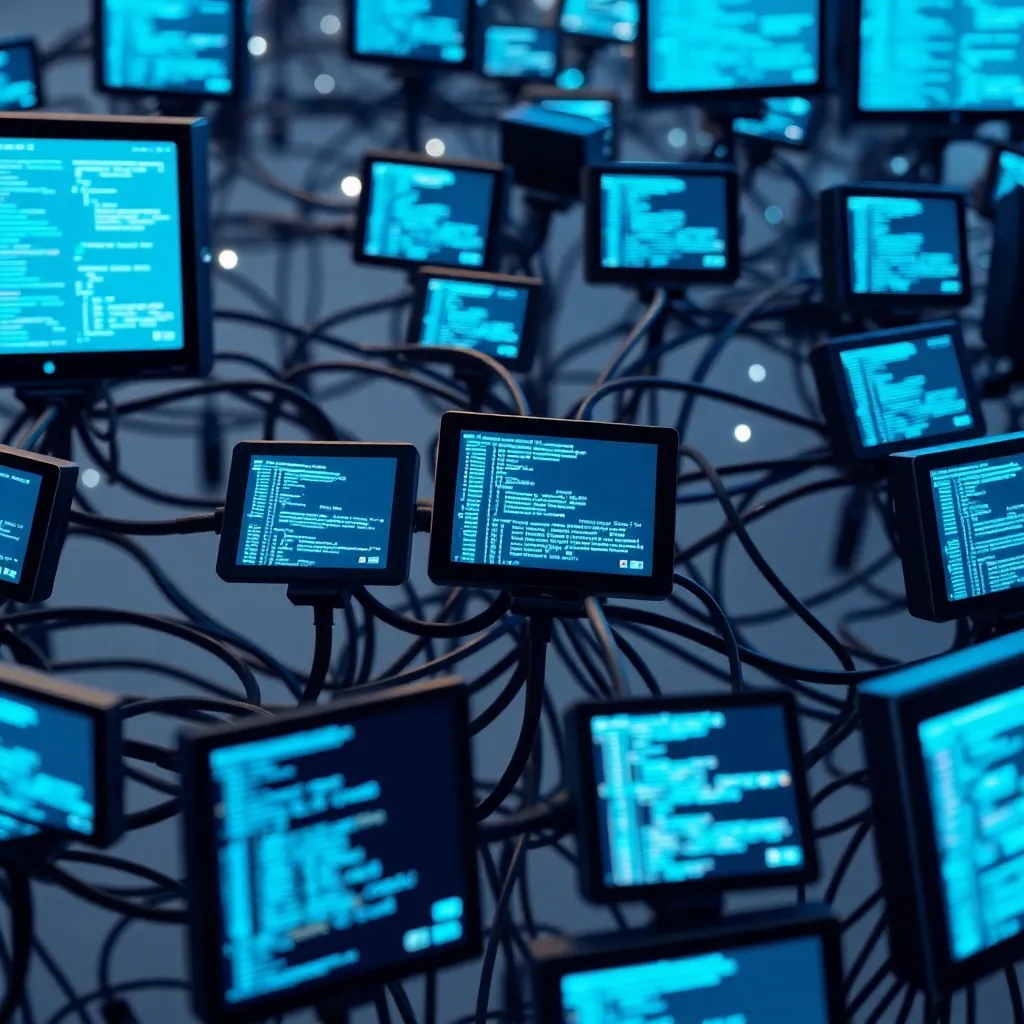
Technological advancements have rapidly shaped digital transformation, and one of the most notable areas has been the Internet of Things (IoT). The Internet of Things refers to the ability of devices we use in our daily lives to connect with each other and the internet, enabling them to exchange data. This concept has become significantly more important with the widespread use of smart devices and sensors. IoT promises significant changes not only for technology enthusiasts but also across all industries and in daily life.
The Internet of Things (IoT) is a technological infrastructure that allows physical devices, sensors, machines, and objects to connect with each other and share data over the internet. These devices collect information from their surroundings through sensors and can share this data with other devices or data centers via the internet. The main goal of IoT is to create a more efficient, secure, and intelligent system where devices interact with each other and their environment without human intervention.

The Answer to "What is the Internet of Things?"
An IoT device typically consists of the following components:
Sensors: Collect environmental data (temperature, humidity, motion, pressure, etc.)
Communication Technology: Enables the transmission of data over the internet (such as Wi-Fi, Bluetooth, LPWAN).
Data Processing: Analyzes the collected data to make it meaningful.
Artificial Intelligence (AI): Analyzes data to make intelligent decisions.
Although the foundations of IoT were laid in the 1980s, the concept was first used in 1999 by Kevin Ashton. Ashton defined IoT as "the internet being a network that connects the physical world." However, at that time, the technological infrastructure was not advanced enough to support the widespread use of such devices. The first IoT devices were limited in their use due to the underdevelopment of the necessary sensors and communication technologies for connecting objects to the internet.
In the early 2000s, thanks to advancements in cloud computing, sensor technologies, and data processing methods, the usability of IoT expanded significantly. Today, IoT is rapidly spreading across all sectors and has revolutionized many industries. In sectors such as smart home systems, healthcare technologies, smart cities, automotive industries, and agriculture, IoT is providing benefits such as increased efficiency, energy savings, security, and enhanced quality of life.
1. Smart Homes
Smart homes are one of the most common areas of IoT application. Devices, sensors, and electrical appliances in the home are connected via the internet, making users' living spaces more comfortable, secure, and efficient. For example, smart thermostats adjust the home's temperature based on external weather conditions, while smart security cameras detect motion and send notifications to the user's phone. Additionally, smart lighting systems save energy by turning on lights only in rooms where the user is present.
2. Healthcare Technologies (Smart Healthcare)
IoT is also revolutionizing the healthcare sector. Smart wearable devices continuously monitor users' health metrics such as heart rate, step count, sleep patterns, and other health data. These devices upload the collected data to the cloud, enabling sharing with doctors. Additionally, IoT-based hospital monitoring systems help healthcare professionals make faster and more accurate decisions by tracking patients.
3. Smart Cities
IoT enables cities to become smarter and more sustainable. IoT solutions are used in areas like traffic management, energy distribution, and waste management in smart cities. For example, smart traffic lights can adjust based on vehicle density, reducing traffic congestion. Moreover, smart energy meters help in tracking energy consumption, contributing to savings.
4. Smart Agriculture
The agriculture sector is another area where IoT is being leveraged. Sensors used in agriculture monitor soil moisture, temperature, and weather conditions. These data help manage irrigation systems automatically, saving water and ensuring crops grow more efficiently. Additionally, drones used in farming help monitor crop conditions remotely, assisting farmers in making informed decisions.
5. Automotive and Transportation
The automotive sector is undergoing a major transformation, particularly with autonomous vehicles (self-driving cars) and in-vehicle IoT applications. Vehicles use GPS, sensors, and AI to analyze traffic conditions and guide the driver. Additionally, vehicle maintenance systems track the vehicle's condition and predict potential malfunctions before they occur.
IoT technology offers several advantages:
1. Increased Efficiency: IoT devices automate communication between tasks without human intervention, speeding up processes.
2. Energy Savings: Smart systems optimize energy usage, preventing waste and reducing costs.
3. Increased Security: Smart security systems alert users instantly, detecting potential threats early.
4. Data-Driven Decision Making: IoT devices collect large amounts of data, enabling more informed decision-making.
Despite the benefits IoT offers, several challenges remain. These include:
1. Security and Privacy: The increasing number of IoT devices brings cybersecurity risks. Many IoT devices may have weak security protocols, leading to data breaches or device intrusions.
2. Data Integration: IoT devices generate diverse data, and combining, processing, and analyzing this data is a complex process.
3. Energy Consumption: Energy consumption, especially for battery-powered IoT devices, is a significant issue. Developing energy-efficient solutions for prolonged device operation is necessary.

The Role of IoT in the Future
In the future, IoT will become an integral part of our lives and will spread across all sectors. When combined with technologies such as artificial intelligence (AI) and 5G, the potential of IoT will be taken to new levels. In areas like smart cities, autonomous vehicles, and health monitoring systems, IoT will offer important solutions to improve people's quality of life.

No Discussion Added Yet
Start discussion for "Internet of Things (IoT)" article
What is the Internet of Things?
History and Development of IoT
Areas of IoT Usage
Advantages of IoT
Challenges Faced by IoT
The Role of IoT in the Future
This article was created with the support of artificial intelligence.