

 Recently Added:

This article was automatically translated from the original Turkish version.
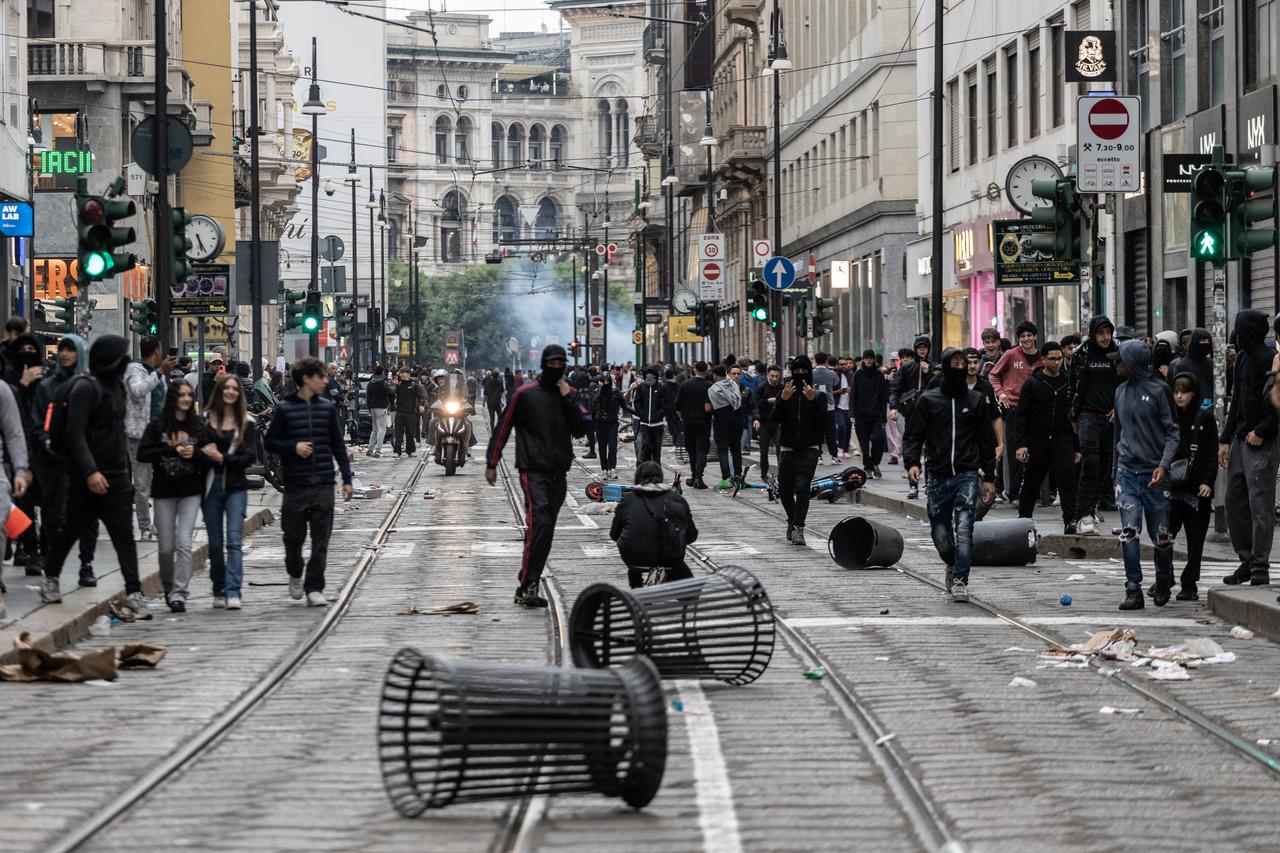
2026 Italy Cost of Living Protests were demonstrations held in various cities across Italy, primarily Milan, Turin, and Bologna, on 17–18 October 2026, in response to rising living costs, low wages, problems with public services, and difficulties in accessing affordable housing. Under the call of “Italia in Piazza” (Italy in the Squares), thousands participated in the demonstrations, some of which turned into clashes between protesters and security forces, resulting in property damage to shops and public spaces. Following the first day, a nationwide tally reported that 28 people were detained, at least 161 people were injured — including 141 security personnel and 20 demonstrators — and approximately one million euros in property damage occurred in Milan and Bologna.
Protests in Italy (18 October 2026) (Anadolu Agency)
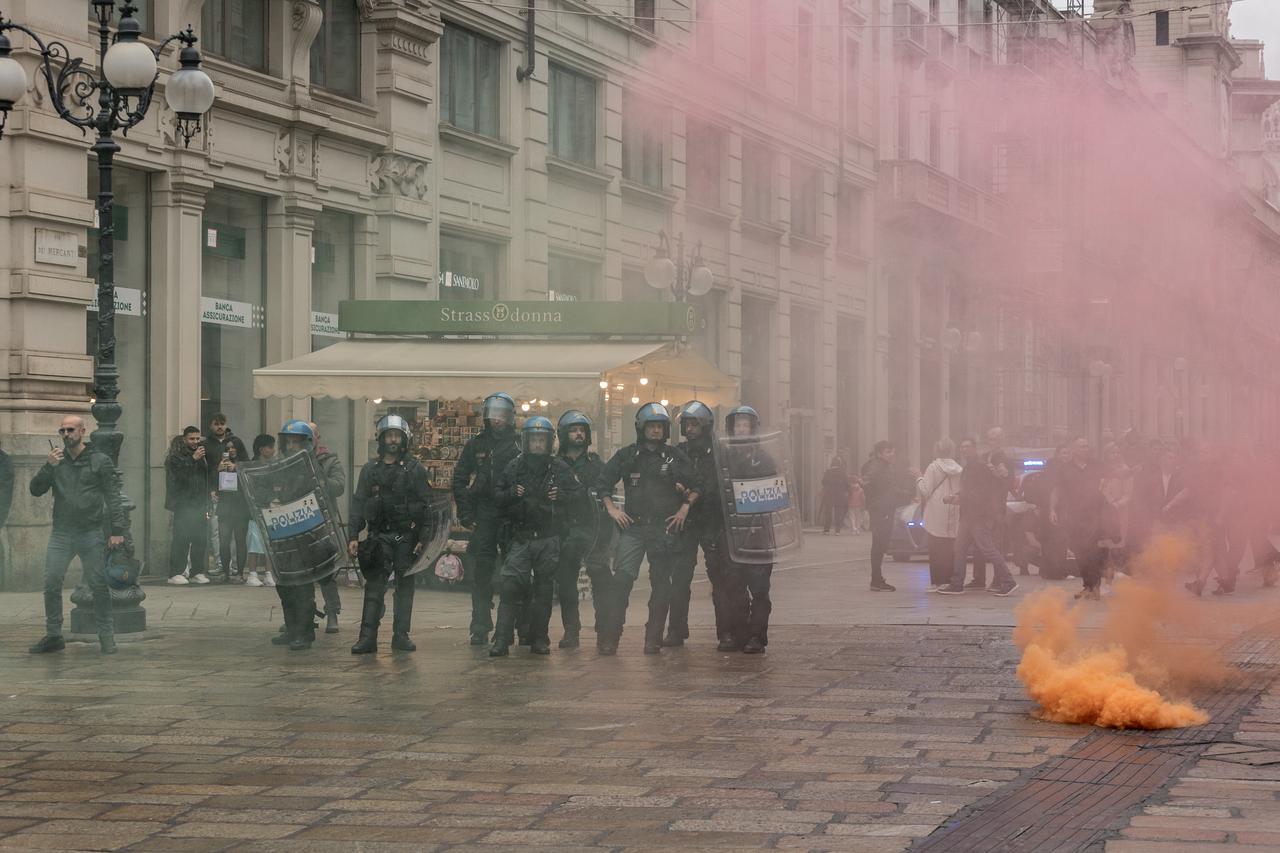
The demonstrations took place amid growing discontent in Italy over the cost of living, low wages, high housing costs, and dissatisfaction with public services. Protesters particularly reacted against the rising cost of basic necessities and the failure of wages to keep pace with purchasing power.
According to DW, the protests were also fueled by stagnant real wages and the difficulty of finding affordable housing in major cities. High fuel prices were also cited as one of the economic grievances raised during the demonstrations.
Protests in Italy (18 October 2026) (Anadolu Agency)
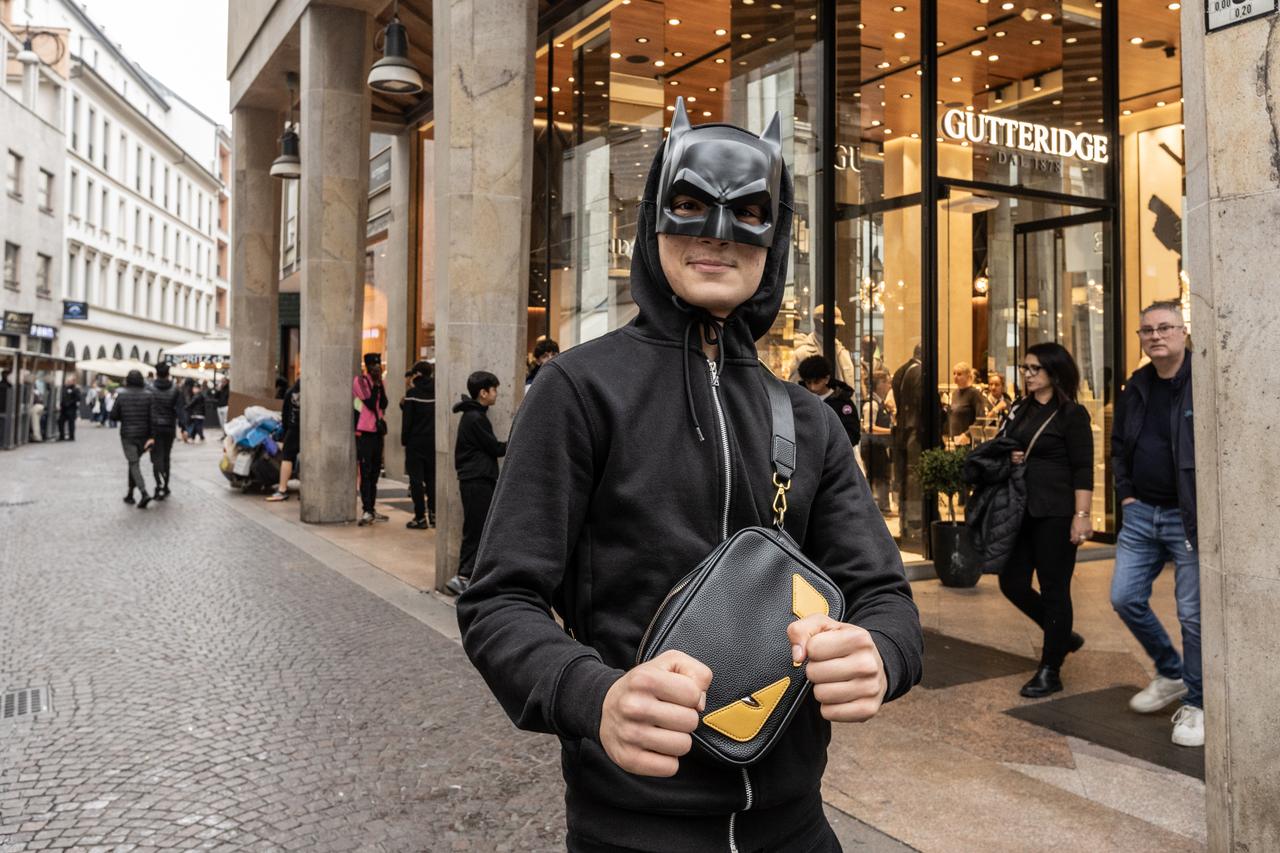
The protests were not limited to economic demands but also became expressions of opposition to the policies of the government led by Giorgia Meloni. In Rome, thousands joined a demonstration organized by the Italian General Confederation of Labour (CGIL).
Protests in Italy (18 October 2026) (Anadolu Agency)
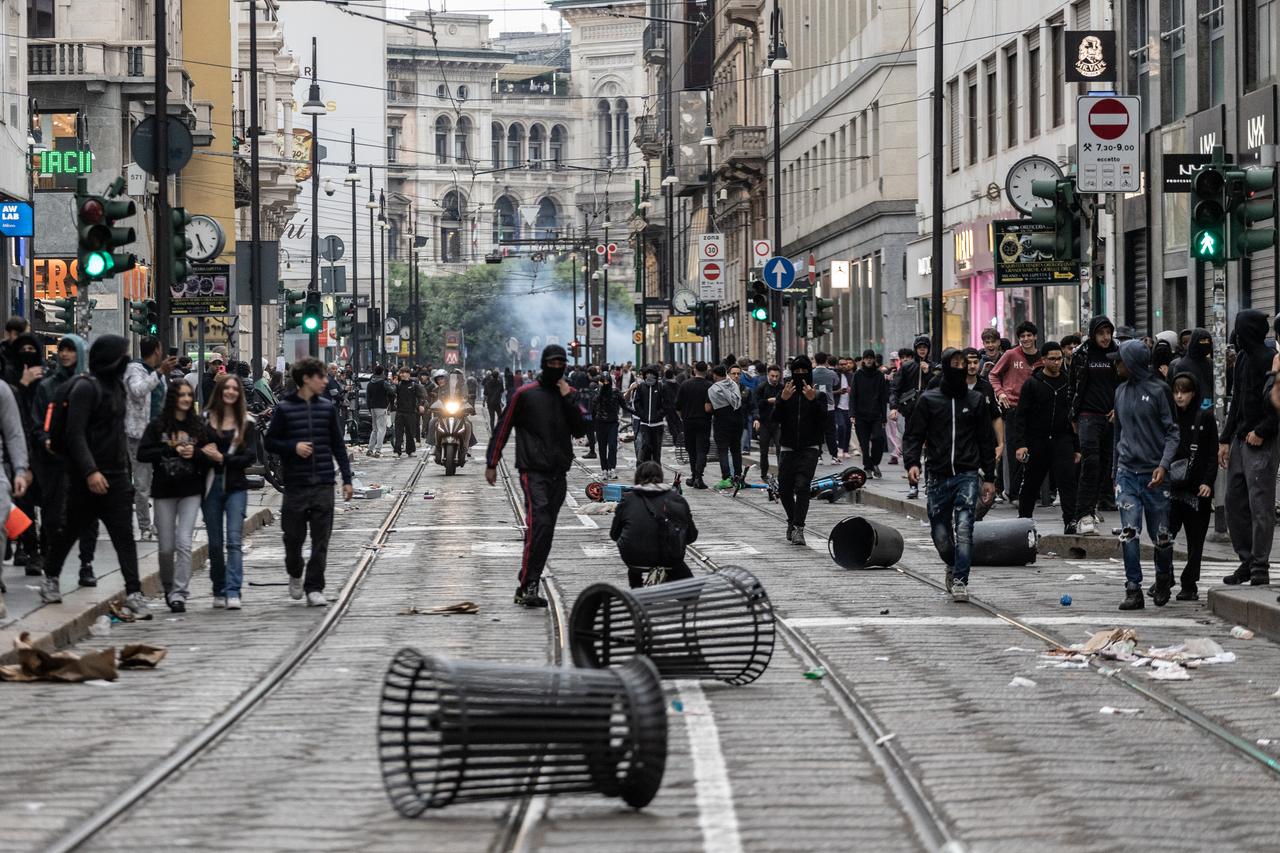
On 17 October 2026, under the call of “Italia in Piazza”, thousands took to the streets in different cities across the country. Reports indicated that the protests particularly turned violent in Milan, Turin, and Bologna.
It was reported that not all demonstrators engaged in violence; in some cities, groups of masked individuals who had separated from the main marches clashed with security forces.
The events in Milan were especially concentrated around Piazza Duomo and its surroundings. After clashes between protesters and police, storefronts in the city center were damaged, trash bins were set on fire, and barricades were erected on the streets.
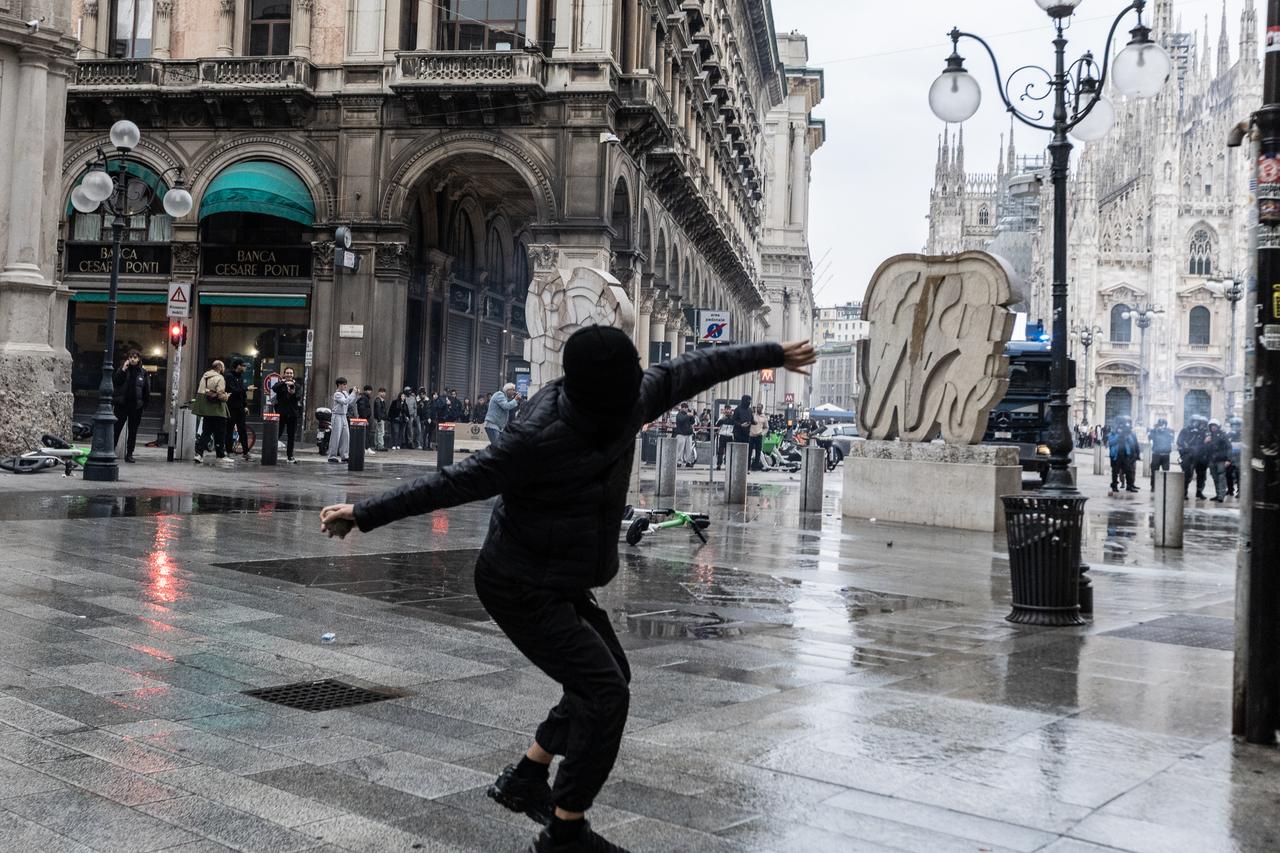
Protests in Italy (18 October 2026) (Anadolu Agency)
One of the cities where the most intense clashes occurred on 17 October was Milan. According to Euronews, the first tensions began on Via Broletto and later spread to the city center, particularly around Piazza Duomo.
Police used tear gas and water cannons to disperse the crowd. Some groups among the protesters were reported to have emptied fire extinguishers, used fireworks and noisemakers, and thrown various objects including trash bins and barriers at security forces.
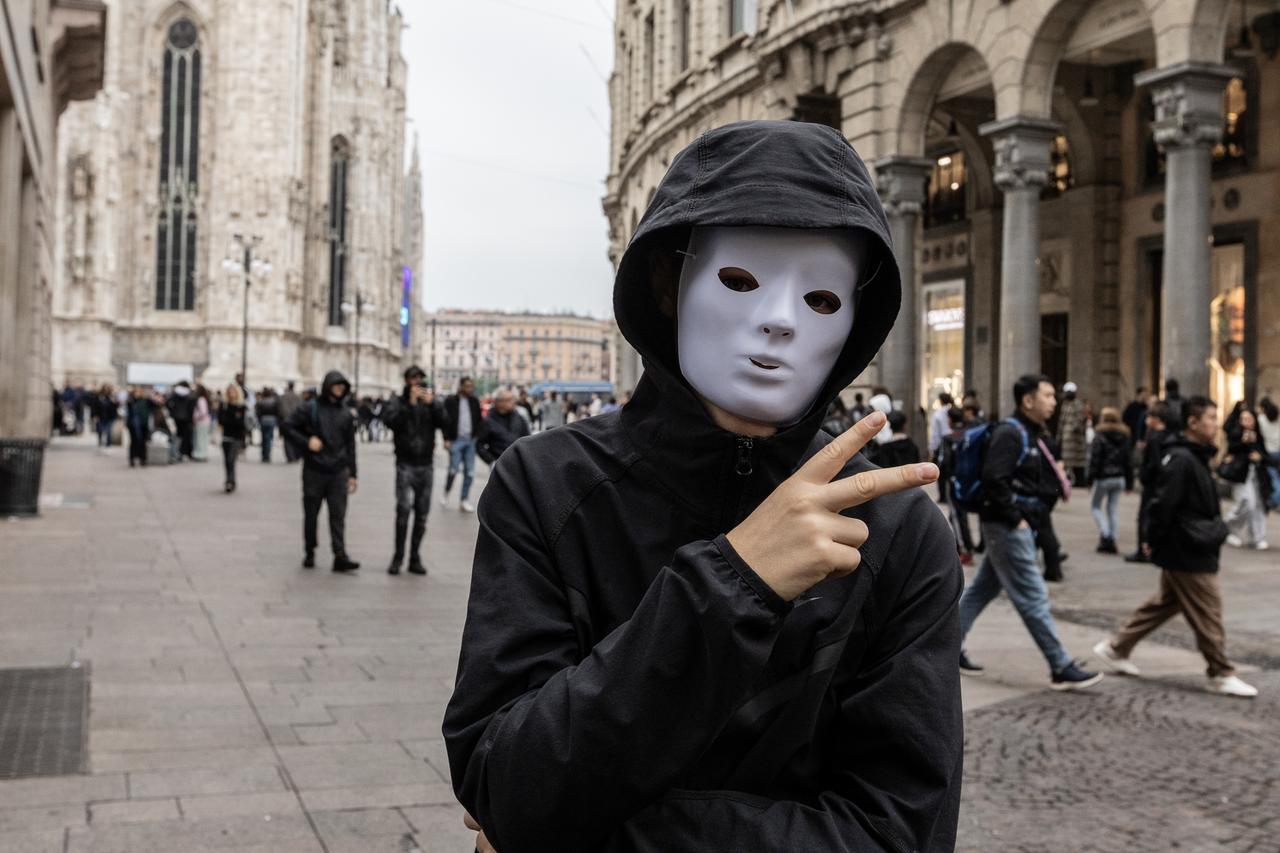
Protests in Italy (18 October 2026) (Anadolu Agency)
The disturbances reached the area around Galleria Vittorio Emanuele II, and several stations on Milan’s M1 and M3 metro lines were closed for security reasons. Some shops in the city center were damaged, a portable toilet at Piazza Duomo was set on fire, chairs and tables in side streets were overturned, and trash bins and benches were ripped from their foundations.
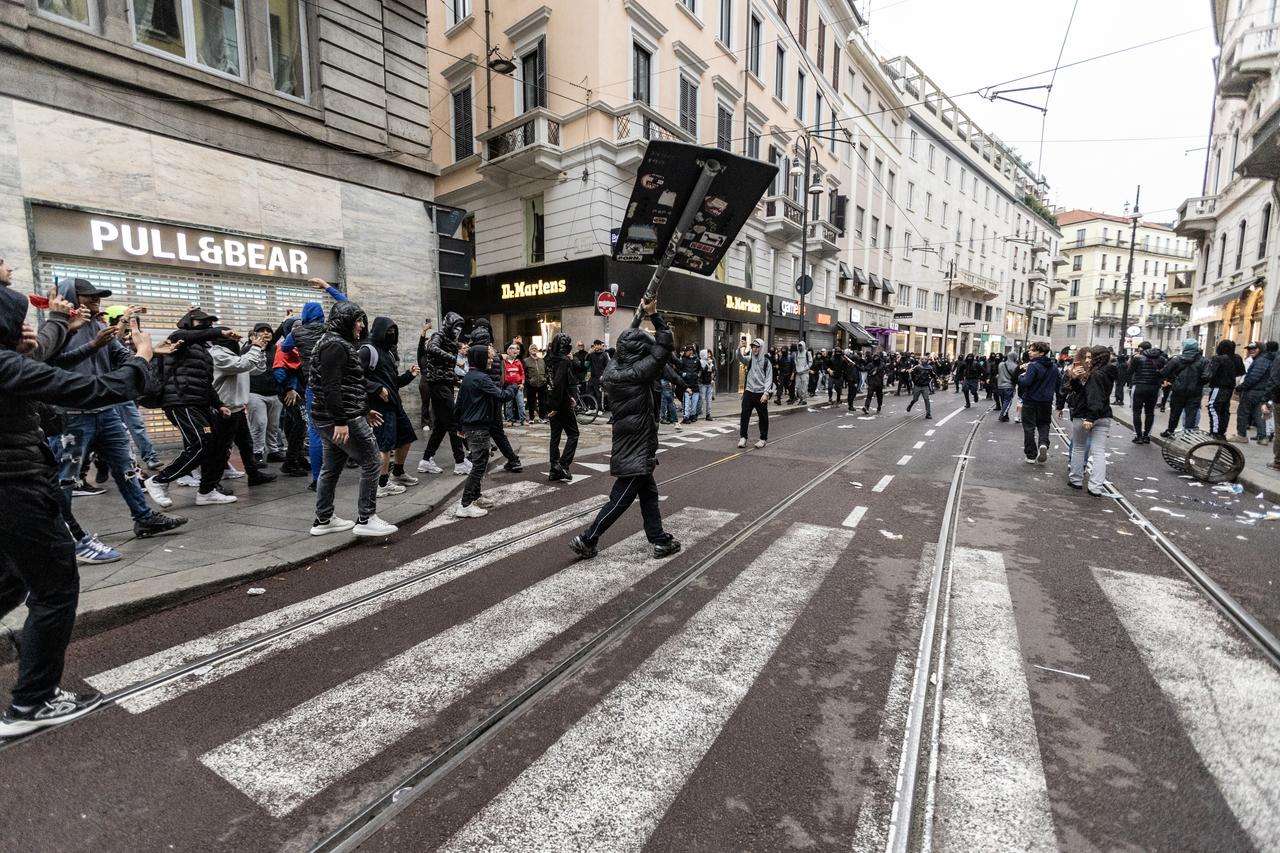
Protests in Italy (18 October 2026) (Anadolu Agency)
According to Euronews’s initial report, 25 people were injured in Milan and taken to hospitals, 10 of whom were police officers. It was stated that none of the injured required emergency “red code” transport. The same source reported that 50 people were detained at the end of the demonstration, approximately half of whom were minors.
Clashes also occurred between security forces and some protester groups in Turin. It was reported that for about an hour, masked youths removed trash bins from the streets and placed them in the middle of roads, and used outdoor tables and chairs from restaurants and cafes as barricades.
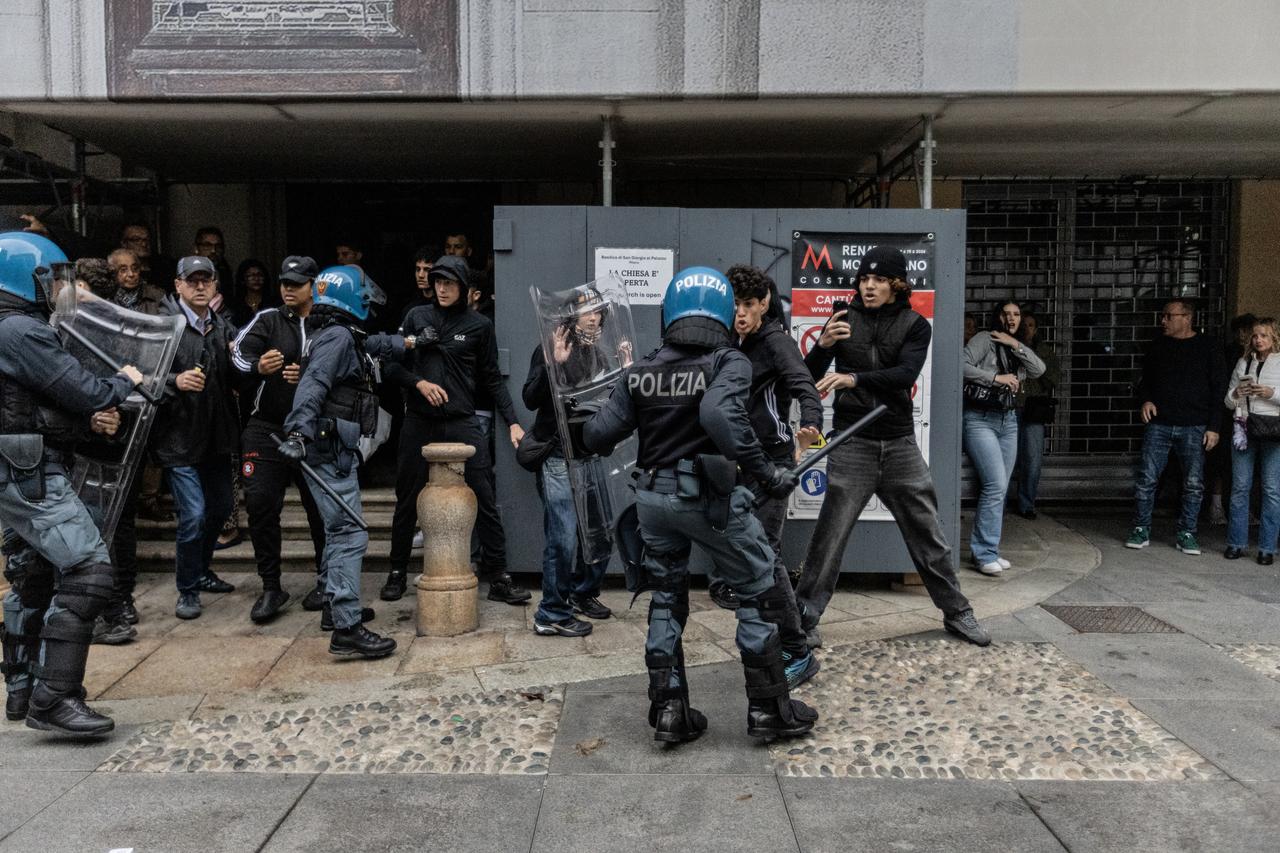
Protests in Italy (18 October 2026) (Anadolu Agency)
It was reported that bottles, fireworks, clubs, and stones were thrown at police. In Turin, 12 people were detained by police, 10 of whom were minors. It was stated that these individuals were found with or near them Molotov cocktails, fireworks, cobblestones, and hammers used to break glass in emergencies.
Some of these individuals were suspected of involvement in the property damage, and their legal status began to be reviewed by investigators.
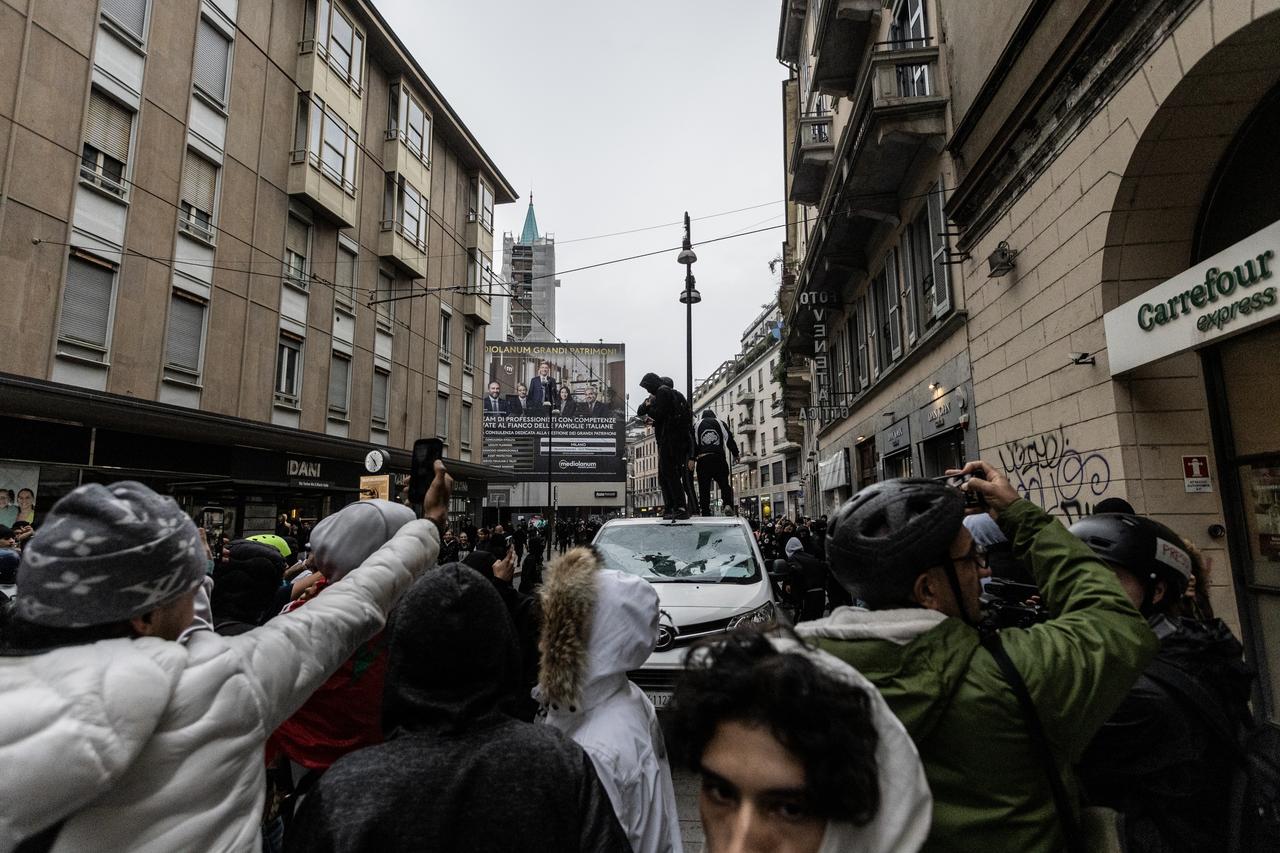
Protests in Italy (18 October 2026) (Anadolu Agency)
The demonstration in Bologna began in the afternoon at Piazza Minghetti. Protesters marched along Via Farini and Via Marconi chanting slogans against the cost of living.
When the march reached the area around the train station, a group split off from the main demonstration, and the disturbances became concentrated around Bologna Central Train Station and Piazza Medaglie d’Oro.
It was reported that masked individuals threw stones and other objects at security forces, overturned rental bicycles, threw smoke bombs and glass bottles, and used barriers.
Police used water cannons and tear gas to disperse the demonstrators. It was reported that the protest later moved toward Via Indipendenza. According to Euronews, seven people were detained in Bologna and their legal status would be reviewed.
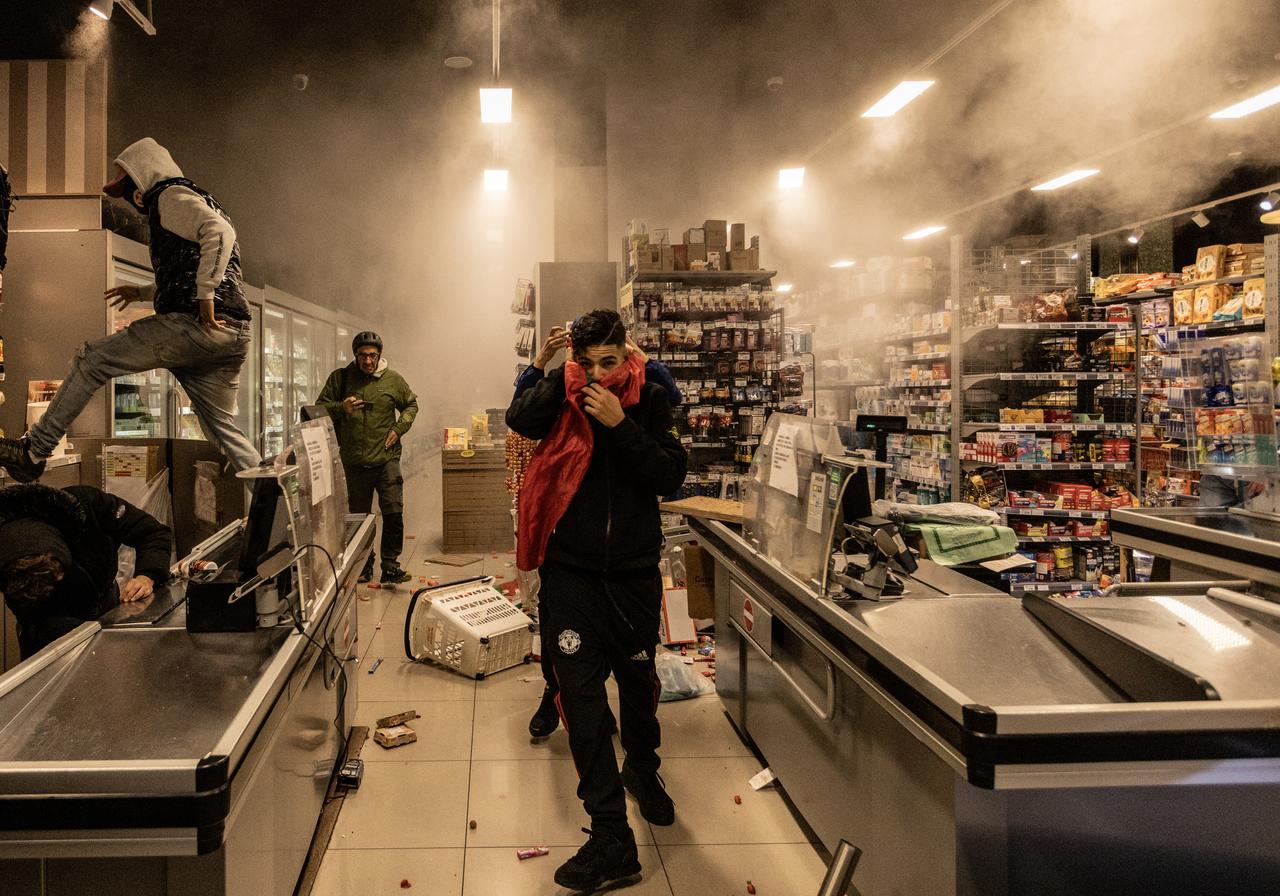
Protests in Italy (18 October 2026) (Anadolu Agency)
The protests were not limited to Milan, Turin, and Bologna. According to police reports, clashes also occurred on 17 October in other northern Italian cities including Brescia and Bergamo.
Reuters reported that a total of 28 demonstrators were detained in connection with the clashes in Milan, Bologna, Brescia, Bergamo, and Turin on 17 October.
According to information from the Italian ANSA news agency, of these 28 individuals, 12 were minors and six were foreign nationals. It was also reported that the identities of 197 individuals suspected of playing a role in the violent incidents had been established.
According to the nationwide tally released after the protests on 17 October, at least 161 people were injured. Of the injured, 141 were security personnel and 20 were demonstrators.
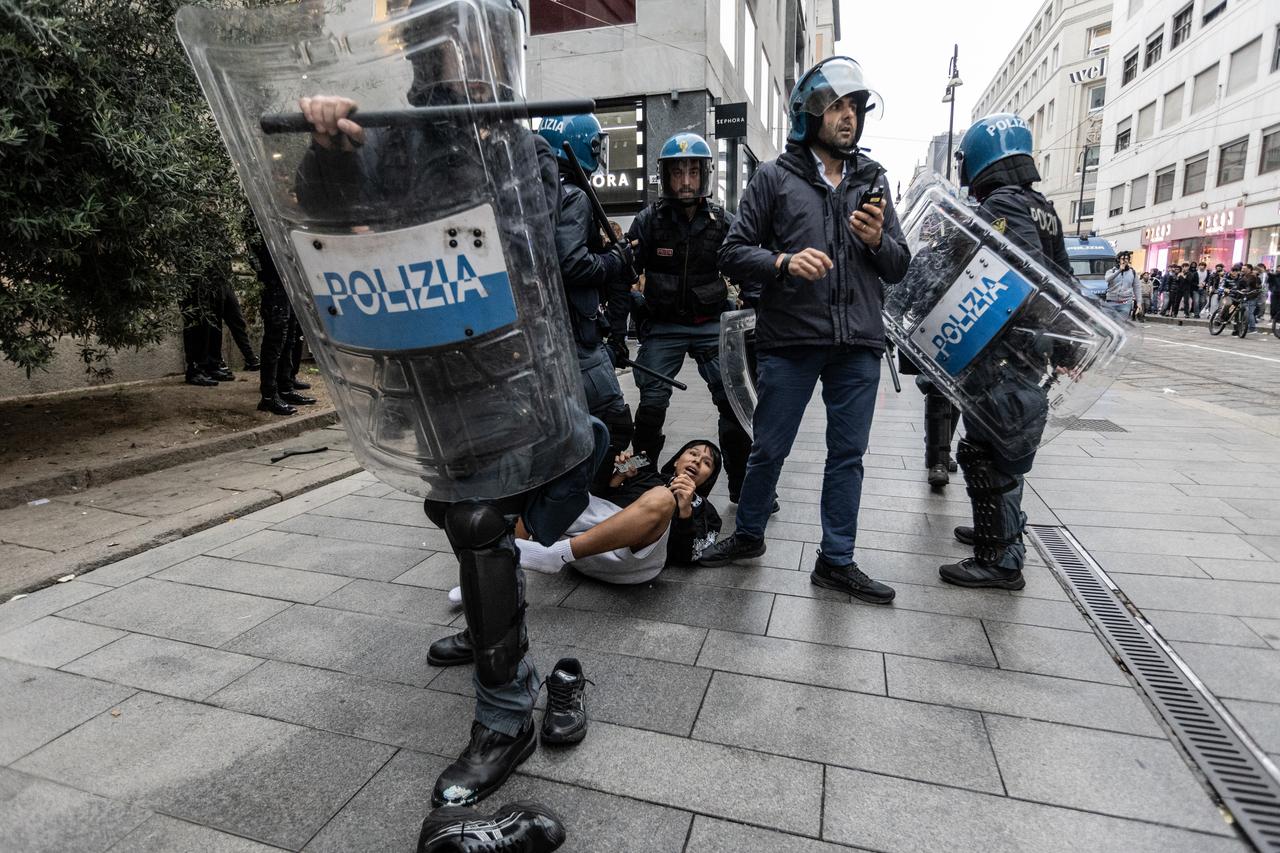
Protests in Italy (18 October 2026) (Anadolu Agency)
There were discrepancies between initial city-based reports and the later nationwide figures. For example, Euronews initially reported that only 25 people were taken to hospitals in Milan, 10 of whom were police officers. In the subsequent nationwide assessment, the total number of injured, including security personnel, was reported as 161.
During the protests, shops and urban furniture suffered damage, particularly in Milan and Bologna. Some shop windows were shattered, businesses were targeted for looting, and trash bins were set on fire.
Initial estimates in the Italian press indicated that property damage amounted to at least 500,000 euros in Milan and at least 500,000 euros in Bologna, totaling approximately one million euros.
In Milan, restaurant tables and chairs were moved onto the streets for use as barricades; shop windows were broken, and looting was reported at some businesses.
Tensions in Milan continued on Sunday, 18 October. After small groups of 10 to 20 young people regathered around Piazza Duomo and its surroundings, police increased security measures in the city center.
Occasional chases occurred between protesters and police, particularly around Via Torino. Some protesters were reported to have thrown stones and noise bombs at police, masked individuals broke shop windows, and restaurant tables were used as barricades.
According to Reuters, several hundred masked protesters broke the windows of shops around Piazza Duomo and set trash bins on fire. Riot police used tear gas and water cannons to disperse the crowd.
Following the events of 18 October, more than 60 people were taken to police headquarters for additional checks. This number was reported separately from the 28 detentions from the previous day.
Following the incidents, Milan Mayor Giuseppe Sala assessed the adequacy of police presence in the city. Sala noted that a large number of protesters were involved in violent acts around Piazza Duomo, but that police numbers were insufficient. Sala stated he had no issues with the Milan Police Chief but expressed concern that the situation may have been underestimated and that the Milan police headquarters lacked sufficient personnel.
In a later statement, Sala acknowledged that the underlying causes of the protests were understandable but emphasized that violence against police and the severe damage inflicted on the city were unacceptable.
Italy’s Interior Minister Matteo Piantedosi responded to Mayor Sala’s comments regarding insufficient police numbers.
Piantedosi criticized Sala for attributing the violence at Piazza Duomo to inadequate police numbers and opposed shifting responsibility onto security forces.
As a result, the events in Milan evolved beyond a debate on security and public order into a political dispute between local authorities and central government representatives over police intervention and security planning.
Italian Prime Minister Giorgia Meloni argued that the right to protest must be distinguished from the violent acts that occurred during the demonstrations.
Meloni affirmed that protesting is a right but condemned the violent acts in the cities. She expressed solidarity with security forces and claimed that some individuals used the protests as a pretext to incite clashes and disrupt public order.
Meloni also called on opposition parties to explicitly condemn the violent incidents.
It was reported that after the events, Meloni summoned the units responsible for public security for a meeting. According to Reuters, the government planned to hold a meeting on Monday, 19 October, to assess the developments.
Following the protests, political actors in Italy debated the nature of the demonstrations and responsibility for the violent incidents.
Deputy Prime Minister and Foreign Minister Antonio Tajani accused part of the center-left of exacerbating tensions during the protests. Deputy Prime Minister and Transport Minister Matteo Salvini also made strong statements regarding the violent acts during the protests. These remarks were political assessments and did not imply that all protesters participated in violence.
Pierfrancesco Majorino, leader of the Democratic Party group in the Lombardy Regional Council, insisted that violent acts must be unequivocally condemned, but argued that students participating peacefully in the protests should not be blamed for the violent incidents. Majorino stated that students joined the demonstrations over demands related to housing rights, education, and their future.
During the period of the protests, the Italian General Confederation of Labour (CGIL) also organized demonstrations regarding economic conditions. Thousands participated in a CGIL-organized protest in Rome.
CGIL General Secretary Maurizio Landini called for a general strike on 20 November 2026. Although the CGIL demonstrations occurred during the same period of economic and social unrest as the violent incidents in Milan, Turin, and Bologna, sources do not indicate that all demonstrations were coordinated by a single organization. Therefore, the actions and organizers in different cities were evaluated separately.
The protests in Italy occurred simultaneously with large-scale demonstrations in neighboring France over the cost of living and public services.
Hundreds of thousands of people in France took to the streets on 17 October in response to rising living costs and declining public services. Some of the most intense protests in recent years occurred in the country.
However, sources do not confirm that the protests in Italy were a direct continuation of or part of the same organization as those in France.
Following the events of 17 and 18 October, debates in Italy focused on economic demands such as the cost of living and low wages, as well as issues of protest rights, public order, police intervention, urban security, and the distinction between peaceful demonstrations and violent acts.
The nationwide tally released after the first day reported that 28 people were detained, 197 individuals had their identities established, at least 161 people were injured — including 141 security personnel and 20 demonstrators — and approximately one million euros in property damage occurred in Milan and Bologna.
As protests continued in Milan the following day, security measures were strengthened; more than 60 people were taken to police headquarters on 18 October due to new incidents. Following these developments, Prime Minister Giorgia Meloni announced a government meeting on public security, and CGIL called for a general strike on 20 November to address economic demands.
Anadolu Ajansı. “İtalya'da dünkü olaylı protestoların bilançosu ağır oldu.” Accessed October 19, 2026.
BBC Türkçe. "İtalya'da hayat pahalılığı protestolarında polisle göstericiler arasında çatışmalar çıktı." Accessed October 19, 2026.
DW. "Italy: Clashes erupt at cost-of-living protests." Accessed October 19, 2026.
Euronews. "Cost-of-living protests: 50 detained in Milan, clashes in Turin and Bologna." Accessed October 19, 2026.
Le Monde. “Second day of street clashes in Milan.” Accessed October 19, 2026.https://www.lemonde.fr/en/international/article/2026/10/18/second-day-of-street-clashes-in-milan_6758735_4.html
Reuters. “Milan police clash with protesters on second day of unrest.” Accessed October 19, 2026.
The Guardian. “‘We are suffocating’: protests spread to Lisbon and Milan as housing and living cost tensions intensify.” Accessed October 19, 2026.

In Italy, protests held in Milan, Turin, Bologna and other cities, fueled by rising living costs, low wages, housing expenses and dissatisfaction with public services, turned into violent incidents. According to the official tally released after the first day, 28 people were arrested and at least 161 individuals were injured, including 141 security personnel and 20 demonstrators. Property damage amounting to approximately one million euros occurred in Milan and Bologna, where stores and public spaces were damaged; clashes in Milan continued into the following day.
No Discussion Added Yet
Start discussion for "Italy Cost of Living Protests (October 2026)" article
October 19, 2026
Causes of the Protests
October 19, 2026
Protests on 17 October
October 19, 2026
Clashes in Milan
October 19, 2026
Events in Turin
October 19, 2026
Clashes in Bologna
October 19, 2026
Protests in Other Cities
October 19, 2026
Injured Persons
October 19, 2026
Property Damage
October 19, 2026
Protests Continue in Milan on 18 October
October 19, 2026
Statement by Milan Mayor Giuseppe Sala
October 19, 2026
Statement by Interior Minister Matteo Piantedosi
October 19, 2026
Statement by Giorgia Meloni
October 19, 2026
Debates Between Government and Opposition
October 19, 2026
CGIL Demonstration and Call for General Strike
October 19, 2026
Coincidence with Protests in France
October 19, 2026
Outcomes of the Protests