
+1 More

Eş | İpek Tüter (1999–2015) Lale Yılmaz (1992–1993) Nur Açar (1973–1991) | ||||||||
|---|---|---|---|---|---|---|---|---|---|
Date of Birth | 29 March 1949 | ||||||||
Place of Birth | İzmir, Türkiye | ||||||||
Date of Death | 3 April 2015 | ||||||||
Place of Death | İstanbul, Türkiye | ||||||||
Occupation(s) | Singer Lyricist Composer | ||||||||
Çocuk | Aslı Gönül Açar Beste Açar | ||||||||
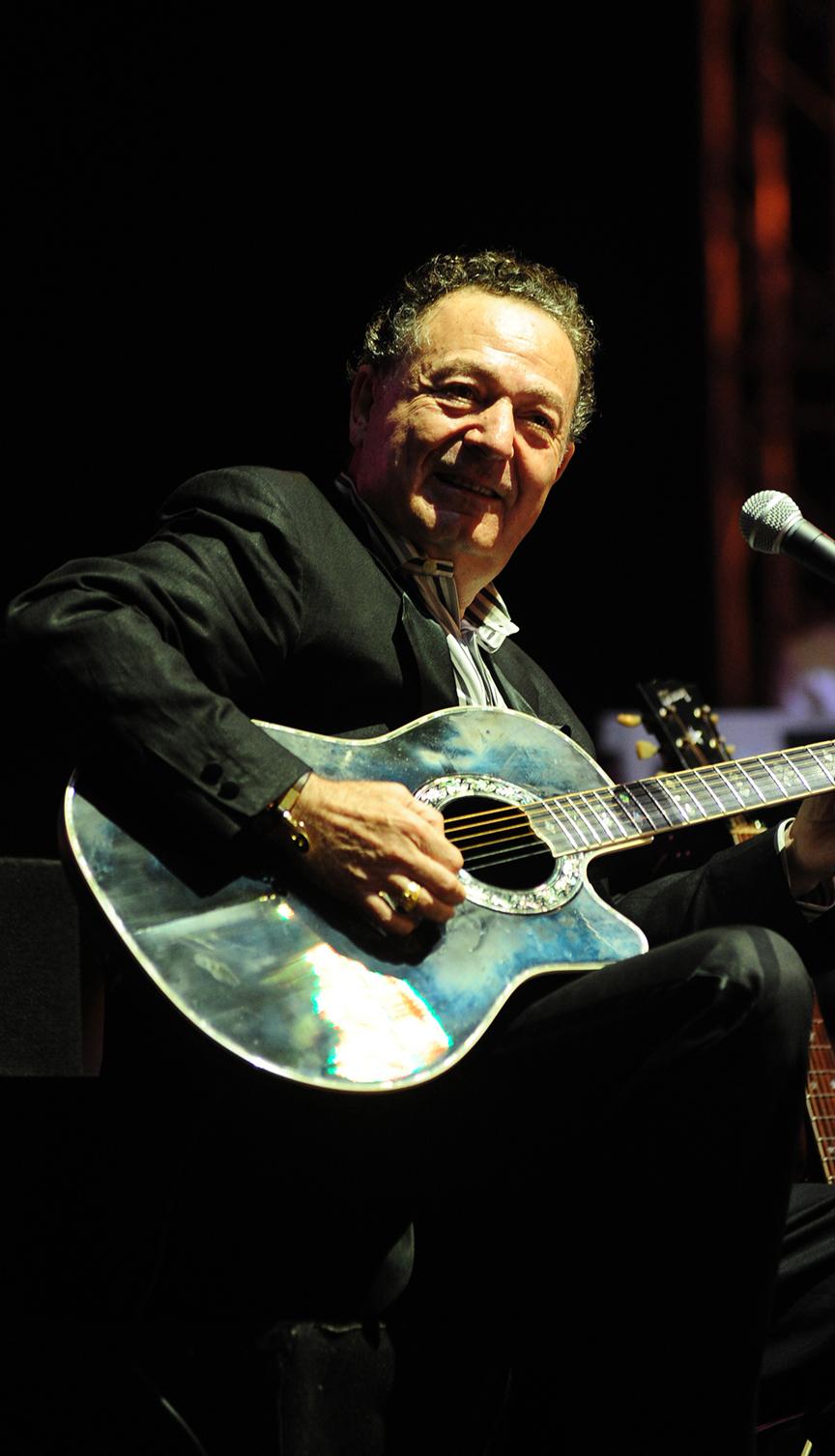
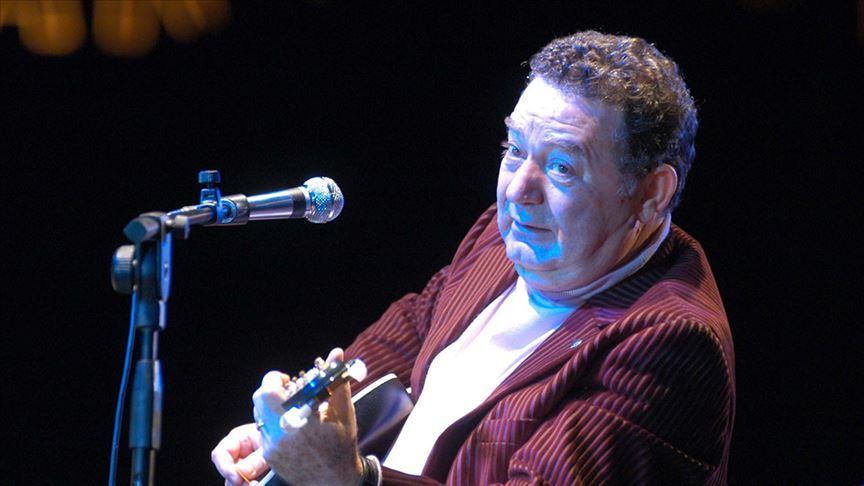
Kayahan Açar was born on March 29, 1949 in İzmir. The son of Colonel Süleyman Açar and Firuzan Hanım, the artist is regarded as one of the most prolific and influential figures in Turkish pop music. Known as a songwriter composer and performer Kayahan reached a wide audience in the 1980s and 1990s particularly through emotionally charged compositions. Throughout his artistic career Kayahan embraced the principle “everything begins with love” and placed love peace and human relationships at the center of his music.
Kayahan spent his childhood and early youth years in Ankara. His interest in music began at a young age and gradually turned into a passion. Raised in a disciplined environment due to his family’s military background the artist expressed his emotional side and inner world through music. Although his musical education was not formal his talent and lyric writing enabled him over time to develop his own style.

Kayahan’s childhood photograph. (AA)
Kayahan’s professional music career began in 1971 with the release of the 45 rpm record Yosun Gözlü Sevgilim – Bir Mektubun Var. In 1978 he submitted his composition İstanbul Hatırası for the Turkish Eurovision Song Contest selection but was eliminated. In 1980 he met his audience again with his second 45 rpm record Bekle Gülüm – Ateş.
In 1981 his first full-length album Canım Sıkılıyor Canım was released. The works he produced during this period attracted attention through his lyric writing and emotional melodies.
The 1981 album Canım Sıkılıyor Canım revealed Kayahan’s talents as a songwriter and composer. Although the album did not achieve major commercial success some of its songs remained in his repertoire in later years. Throughout the 1980s he participated in the Turkish Eurovision selections with different compositions a period that proved decisive for his musical development.
In 1986 the song Geceler performed with Ayşegül Aldinç won first place at the Kuşadası Altın Güvercin Music Competition bringing Kayahan significant fame. This success was followed in 1987 by the album Merhaba Çocuklar.
The 1989 album Benim Şarkılarım generated great interest. The song Geceler performed by Nilüfer was included in this album. In 1990 he represented Türk at the Eurovision Song Contest with the song "Gözlerinin Hapsindeyim. The album of the same name released the same year became one of the best-selling albums of the era.
The albums Yemin Ettim (1991) Son Şarkılarım (1993) and Benim Penceremden (1995) marked the peak of his music career. Songs such as “Sarı Şekerim” “Aman” “Vazgeçmem” and “Allah’ım Neydi Günahım” from these albums have become classics.
Türkiye 🇹🇷 - Eurovision 1990 - Kayahan - Gozlerinin Hapsindeyim (Library of Eurovision)
With the 1988 album Benim Şarkılarım and the 1990 album Benim Şarkılarım 2 Kayahan reinterpreted songs previously performed by other artists in his own style. The 1991 album Yemin Ettim achieved high sales figures and was followed by Odalarda Işıksızım (1992) Son Şarkılarım (1993) and Benim Penceremden (1995) which consolidated his success. Many songs released during this period became enduring classics of Turkish pop music.
In addition to his performing career Kayahan also gained recognition as a composer. He became widely known for songs he wrote for artists such as Nilüfer Sezen Aksu Zerrin Özer and Bilgen Bengü. Particularly the songs Kar Taneleri and Geceler performed by Nilüfer secured an important place in his career as a composer.
Kayahan - Yemin Ettim (Kayahan)
The 1996 album Canımın Yaprakları emphasized the theme of love. The song Şampiyon from the 1997 album Emrin Olur received widespread acclaim. He continued his creative output with the albums Beni Azad Et (1999) and Gönül Sayfam (2000).
The 2002 album Ne Oldu Can achieved significant commercial and artistic success. The song Bugün Aslında Bayram written for Barış Manço attracted particular attention. Continuing his production through the 2000s the artist released the albums Kelebeğin Şansı (2005) and Biriciğim (2007) and later released several singles.
Kayahan’s music is fundamentally based on emotional and introspective themes. He made the phrase “Everything begins with love” the foundation of his life and artistic philosophy. In his songs he addressed love longing loyalty heartbreak and hope using a simple yet powerful language that resonated deeply with listeners.
Kayahan - Gönül Sayfam (Kayahan)
Kayahan was married three times. His daughter Beste Açar from his first marriage later became a frequent presence in the media.
Kayahan’s third marriage was to İpek Tüter from whom he had a daughter named Gönül. Kayahan’s wife İpek Tüter also performed as a backing vocalist during his concerts in his later years.
Kayahan lived for many years in the İnta Sevgi Köyü in Gömeç. He chose to lead a quiet life there and the streets of the village were named after his songs.
In 1990 Kayahan was diagnosed with soft tissue cancer. He fought this illness for many years. The disease recurred in 2005 and in 2014 it was announced that he had been diagnosed with cancer for the third time.
The artist passed away on April 3 2015 in Istanbul at the hospital where he was receiving treatment. His compositions continue to remain part of the Turkish pop music repertoire and are still performed by various artists.
"Kayahan Kimdir?" Biyografiler.com, Accessed March 31, 2025. https://www.biyografiler.com/kimdir/kayahan.
Anadolu Ajansı. "Türk Pop Müziğinin Aşk Dolu Adamı: Kayahan." March 3, 2019. Accessed March 31, 2025. https://www.aa.com.tr/tr/kultur-sanat/turk-pop-muziginin-ask-dolu-adami-kayahan/1440156.
Anadolu Ajansı. "Şarkılarında Sevgiyi Rehber Edinen Sanatçı: Kayahan." March 31, 2025. https://www.aa.com.tr/tr/kultur-sanat/sarkilarinda-sevgiyi-rehber-edinen-sanatci-kayahan/2553215.
Beyazperde. "Kayahan – Biyografi." Accessed March 31, 2025. https://www.beyazperde.com/sanatcilar/sanatci-729858/biyografi/
Biyografi.net. "Kayahan." Accessed March 31, 2025. https://www.biyografi.net/kisi-kayahan-5758/
Kayahan. "Kayahan - Gönül Sayfam (Video Klip)." YouTube. Accessed April 1, 2026. https://www.youtube.com/watch?v=6ZK8Is46A6k.
Kayahan. "Kayahan - Yemin Ettim." YouTube. Accessed April 1, 2026. https://www.youtube.com/watch?v=pddlTwubdws
Library of Eurovision. "Türkiye 🇹🇷 - Eurovision 1990 - Kayahan - Gozlerinin Hapsindeyim." YouTube. Accessed April 1, 2026. https://www.youtube.com/watch?v=1b8iKf4eri4

Eş | İpek Tüter (1999–2015) Lale Yılmaz (1992–1993) Nur Açar (1973–1991) | ||||||||
|---|---|---|---|---|---|---|---|---|---|
Date of Birth | 29 March 1949 | ||||||||
Place of Birth | İzmir, Türkiye | ||||||||
Date of Death | 3 April 2015 | ||||||||
Place of Death | İstanbul, Türkiye | ||||||||
Occupation(s) | Singer Lyricist Composer | ||||||||
Çocuk | Aslı Gönül Açar Beste Açar | ||||||||
Childhood and Youth Years
Beginning of the Music Career
First Album and Eurovision Experiences
Solo Albums and Commercial Success
1990s and Subsequent Production
Personal Life
Health Struggle and Death