

This article was automatically translated from the original Turkish version.
+1 More
Kopi Luwak (or Luwak Coffee) is one of the world’s most expensive and rarest coffee varieties, native to certain regions of Southeast Asia, particularly Indonesia’s Bali island.
Kopi Luwak is recognized as one of the most expensive coffees in the world, with its origins rooted in the islands of Southeast Asia, particularly Bali, Sumatra, Java and Sulawesi. The name directly reflects both its nature and source: it is formed by combining the Indonesian word for coffee, "Kopi", with the local name of the animal involved in its production, "Luwak" (the Asian palm civet).
The key factor that distinguishes Kopi Luwak from all other coffee varieties is that its production begins through the digestive system of the Asian palm civet (Paradoxurus hermaphroditus). This small mammal naturally inhabits the tropical forests of Indonesia and Southeast Asia. The process starts when the civet enters natural coffee plantations and selectively eats only ripe and high-quality coffee cherries.
This natural selectivity is considered the first step in enhancing coffee bean quality. The fermentation process within the civet’s stomach prepares the coffee’s potential quality by separating high-grade beans before any chemical transformation occurs.
As the civet consumes the coffee cherries, the fruit pulp is digested, but the coffee beans themselves (the seeds) remain intact due to their hard outer layer. The civet excretes these undigested beans. Kopi Luwak refers precisely to this stage: producers collect the feces, clean, wash and dry the beans inside. This is the primary reason Kopi Luwak is known as “coffee made from cat feces” and why its price per kilogram can reach up to a thousand dollars, as this collection process is both labor-intensive and naturally limited. This rarity and production difficulty have elevated Kopi Luwak to the position of the world’s most expensive coffeesi. Thus, Kopi Luwak is not merely a beverage; it is a product of Indonesia’s local heritage, resulting from the biological selectivity of an animal and the enzymatic fermentation within its digestive system.
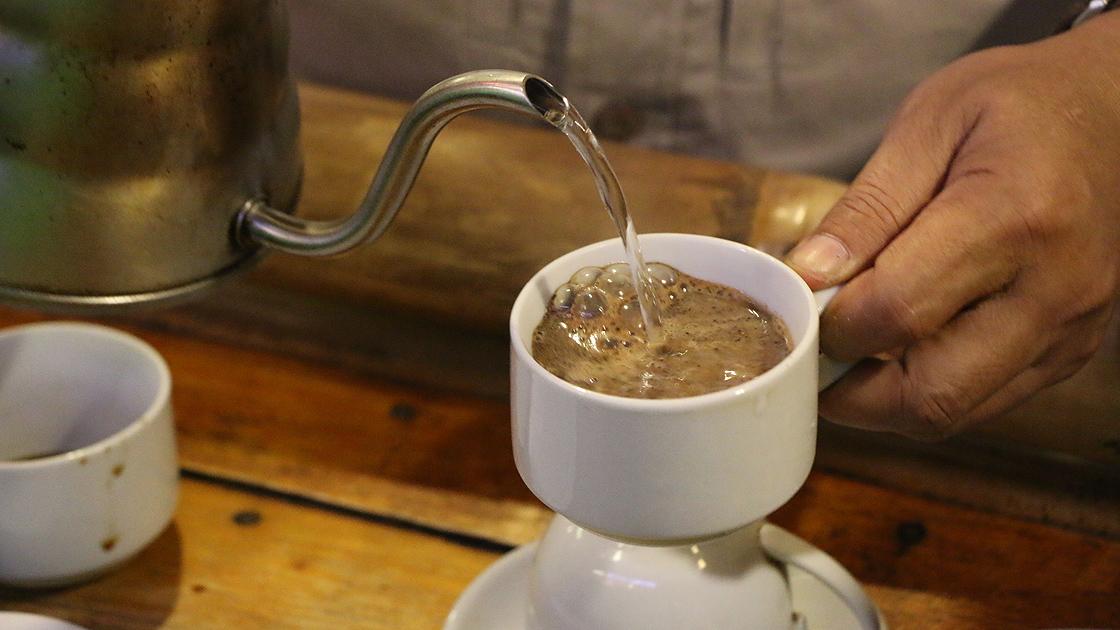
Kopi Luwak Coffee (Anadolu Agency)
The reason Kopi Luwak holds such a premium position in the global coffee market lies in the natural enzymatic and microbial fermentation process the coffee beans undergo while passing through the digestive system of the Asian palm civet (Paradoxurus hermaphroditus).
The production process consists of three main stages:
• Natural Selectivity: The civet behaves like a gourmet in the wild, selecting and consuming only the ripest, healthiest and highest-quality coffee cherries from the trees. This ensures the cherries have reached their peak sugar and aroma levels naturally.
• Digestive Breakdown: When the civet swallows the fruit, the thick pulp and mucilage surrounding the beans are broken down and digested by the civet’s digestive enzymes. However, the beans themselves, due to their hard structure, remain undigested.
• Gastrointestinal Processing: As the beans travel through the civet’s stomach and intestinal tract, they undergo enzymatic treatment that alters the coffee’s chemical composition. Enzymes in the civet’s stomach, particularly proteolytic enzymes, begin breaking down naturally occurring proteins in the coffee beans.
• Flavor Mellowing: This protein breakdown reduces compounds responsible for bitterness. As a result, the processed beans develop a less bitter and smoother (“smoother sip”) taste profile compared to conventionally processed coffees.
• Microbial Influence: Various microorganisms in the digestive tract, such as lactic acid bacteria and yeasts, are believed to contribute to microbial fermentation on and around the bean surface, enhancing the final flavor and aroma components. This natural fermentation creates Kopi Luwak’s distinctive complex flavor profile.
• Collection: After completing fermentation, the coffee beans are excreted intact or nearly intact along with the feces. Producers and local communities, especially in regions like Bali, collect this “fermented fertilizer” by carefully scanning coffee plantations and forest floors early in the morning.
• Cleaning and Drying: The collected beans are carefully washed and cleaned according to hygiene standards to remove all traces of fecal residue, even after the outer husk has been removed.
• Roasting: Finally, the cleaned and dried beans are roasted like conventional coffee beans to make them ready for consumption. The roasting process brings out the aromatic compounds developed during fermentation.
How Kopi Luwak Coffee Is Produced (Anadolu Agency)
Kopi Luwak is positioned among luxury consumer goods globally and occupies the pinnacle of the coffee market due to its production challenges and limited supply. This coffee carries the title of the world’s most expensive coffee because of its rarity and labor-intensive production process.
The main factors underlying Kopi Luwak’s high commercial value are its low supply and complex production process.
• Limited Natural Production: Kopi Luwak is not harvested mechanically from traditional coffee plantations but is collected individually from the feces of the Asian palm civet. In the wild, civet coffee bean production is inherently irregular and limited. This collection process automatically restricts the supply of natural Kopi Luwak, creating the fundamental economic principle that drives up its price.
• Special Processing Costs: While the natural fermentation in the digestive system refines the flavor, the post-harvest cleaning, disinfection and processing of the collected beans require significant human labor.
• Luxury and Prestige Factor: Kopi Luwak is perceived not only as a high-priced product but also as a luxury and prestige item due to its story and extreme rarity.

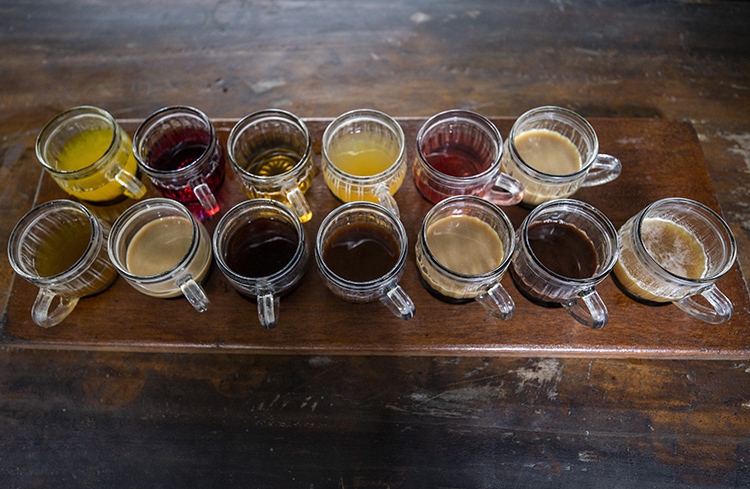
Kopi Luwak Prepared for Sale (Anadolu Agency)
The market price of Kopi Luwak varies considerably but typically ranges from $300 to $1,000 per kilogram. This price range depends on the coffee’s source and whether its production is ethical:
• Wild-Gathered Kopi Luwak: This variety has the highest commercial value and price. It is obtained by collecting feces from civets that roam freely in forests or plantations. Its wild origin is assumed to ensure the animal selects only the best cherries naturally and raises fewer ethical concerns, thereby enhancing its quality and prestige.
• Caged/Farm-Raised Kopi Luwak: To meet rising demand, some producers keep civets in cages and force-feed them large quantities of coffee cherries for industrial-scale production. This method eliminates natural selectivity and raises animal welfare concerns. As a result, this type is considered lower in quality and has sparked ethical debates. Its price is generally lower than wild-gathered Kopi Luwak but still significantly higher than conventional coffee.

Roasted Kopi Luwak (Anadolu Agency)
Kopi Luwak’s commercial success, particularly its high price tag (up to a thousand dollars per kilogram), has rapidly increased global demand. However, this high demand has led to a departure from its original natural collection methods and triggered debates over animal welfare and ethics.
Originally, Kopi Luwak was a rare product collected exclusively from the feces of wild Asian palm civets in forests or plantations. However, high profit margins have pushed some producers in Indonesia toward easier, large-scale production.
• Caging and Force-Feeding: To increase production, civets (Luwaks) are captured from their natural habitats and confined in small, wire cages that are often unsanitary.
• Loss of Natural Selectivity: In the wild, civets naturally select only the ripest and highest-quality coffee cherries. In cages, they are often force-fed excessive quantities of coffee cherries. This force-feeding compromises the animals’ health and undermines the very defining feature of Kopi Luwak — natural selectivity — thereby reducing its final flavor quality.
• Living Conditions: The small, dirty cages increase the risk of stress, disease and abnormal behaviors (stereotypic behaviors) in civets.
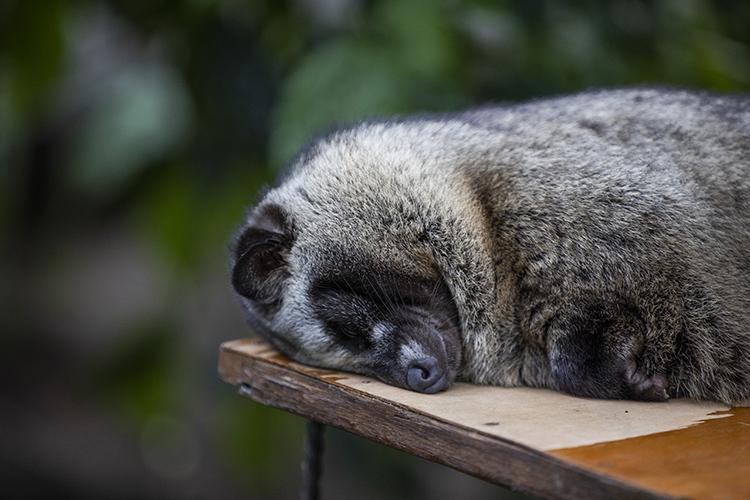
Asian Palm Civet in Its Natural Habitat (Anadolu Agency)
As ethical concerns have grown, coffee experts and responsible consumers have increasingly called for the exclusive preference of Kopi Luwak produced through sustainable methods:
• Emphasis on Wild Collection: Experts urge buyers of Kopi Luwak to choose only products that are wild-gathered and certified as ethical. This means collecting beans from areas where civets live freely and excrete naturally. This method preserves animal welfare and ensures the coffee’s flavor and quality remain rooted in the animal’s natural selection.
• Search for Alternatives: These ethical concerns have also driven scientists and producers to develop artificial fermentation (in vitro) methods that replicate the enzymatic effects of the civet’s digestive system without involving animals.

Origin and Distinguishing Characteristics
Detailed Production Process and Fermentation
Selection and Consumption (Natural Selection)
Fermentation and Chemical Transformation (Enzymatic Processing)
Collection and Processing (Harvesting and Finishing)
Commercial Value and Price
Primary Reasons for High Price
Market Pricing and Source Impact
Ethical Debates and Sustainability
Industrial Production and Animal Welfare Issues
Sustainability and Ethical Sourcing Advocacy