


This article was automatically translated from the original Turkish version.
+2 More
Kuşluca Cami is a two-story place of worship located in the Kuşluca neighborhood of the Sürmene district in Trabzon province. Constructed using the traditional timber-frame (çantı) technique, the building exemplifies the regional wooden architectural heritage of the Black Sea region. With its plan layout, material selection, and decorative approach, it stands as an original representative of the local construction culture. The prayer hall has a rectangular plan and connects to the main congregation area through an entrance on the north facade. A gallery for women is situated on the upper floor.
Despite its modest exterior appearance, the building’s spatial organization reveals prominent wooden craftsmanship within. The carved wooden decorations on the entrance door, mihrab, and minbar exhibit stylistic features common to other rural mosques in the region. The timber used in the mosque was sourced from local tree species available in the surrounding forests.
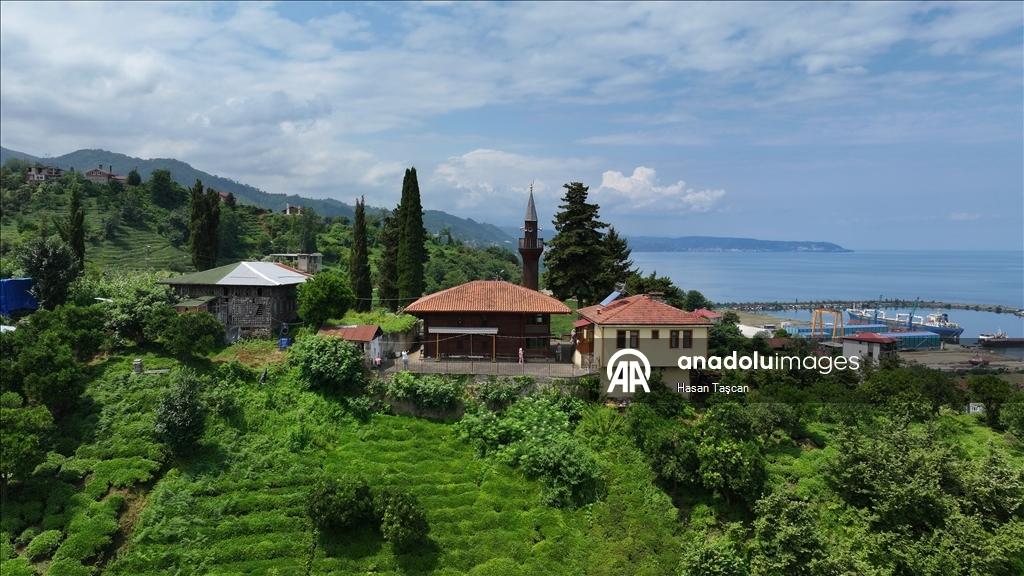
Kuşluca Cami (Anadolu Agency)
The construction date of Kuşluca Cami is estimated to be around the early 20th century. Listed as a cultural heritage site in 1997, the mosque gradually required repairs due to environmental influences and material degradation. In 2008, a comprehensive restoration project led by architect Kemal Bektaş initiated a major intervention. During restoration, damaged structural elements were replaced following their original forms, while some columns were preserved through surface cleaning and planing. A portion of the exterior panels was renewed, limited strictly to decayed sections.
The original plan schema and material character of the building were preserved. The main congregation area, the women’s gallery, and the minaret were restored in accordance with their original configurations. Following the completion of the works in 2011, the mosque was reopened for worship.

Kuşluca Cami (Anadolu Agency)
Kuşluca Cami is built on a rectangular base measuring approximately 8.5 meters by 11 meters. The building’s height approaches 4 meters. The main walls are constructed from timber-frame panels 5 centimeters thick. The traditional çantı system, in which wooden logs are stacked vertically and joined without nails, is employed. This technique provides both structural flexibility and portability.
A cylindrical wooden minaret, 14 meters high, is located on the west facade. The prayer hall, together with the upper gallery, forms a two-story spatial arrangement. Access to the women’s gallery is provided via a staircase from the main entrance. The roof system is a gabled design, adapted to the region’s heavy rainfall climate.

Kuşluca Cami (Anadolu Agency)
A small cemetery area, consistent with rural settlement traditions, surrounds the building. This arrangement, common among many wooden mosques in the Black Sea region, integrates the religious structure harmoniously with the natural landscape and settlement fabric.

Kuşluca Cami (Anadolu Agency)
Kuşluca Cami exhibits the characteristic features of the timber-frame load-bearing system. This system demonstrates resilience against dynamic forces such as seismic activity and wind by offering flexibility under horizontal and vertical loads. Structural elements consist of square or rectangular beams, columns, and panels.
Academic studies conducted on the structure have evaluated its load-bearing performance before and after restoration. Given the sensitivity of timber to changes in humidity and temperature, regular monitoring has been recommended. These studies have provided essential data for maintaining both the structural integrity and material durability of the building.
Kuşluca Cami is a late representative of the timber-frame mosque tradition prevalent in the Black Sea region during the late 19th and early 20th centuries. This tradition is regarded as the continuation of Central Asian wooden construction culture in Anatolia. The region’s abundant forest resources made timber the primary building material.
Like other rural mosques in Sürmene and its surroundings, Kuşluca Cami draws attention through its intensive wooden craftsmanship inside, despite its simple exterior. This reflects a fusion of regional handicrafts with religious architecture. Additionally, the mosque’s location within the village’s communal space reflects a community-oriented approach to worship.

Kuşluca Cami (Anadolu Agency)
Kuşluca Cami is vulnerable to natural and environmental risks due to the climatic conditions of its location. The susceptibility of timber to moisture, fungal growth, and insect damage underscores the importance of regular maintenance. Furthermore, the Black Sea region’s high rainfall and humid climate can lead to surface deformation and material loss.
Although the original material characteristics of the building were preserved during restoration, regular inspections and maintenance are recommended for long-term conservation. Continuous monitoring and early warning systems addressing risks such as fire, flooding, and climate change are essential for safeguarding the legacy of wooden architecture.
Kuşluca Cami is one of the significant surviving examples that preserve the structural, cultural, and spatial integrity of the Black Sea region’s timber-frame mosque tradition. Through its construction technique, spatial organization, decorative program, and restoration process, it represents the continuity of the regional building culture. This structure embodies the harmonious relationship between traditional wooden architecture and the natural environment, as well as local material knowledge, and holds a unique place within Türkiye’s tangible cultural heritage.

History and Restoration Process
Architectural and Structural Features
Structural Analysis and Dynamic Properties
Cultural and Architectural Context
Conservation and Risk Status
