

This article was automatically translated from the original Turkish version.
+1 More
Lemon balm (Melissa officinalis L.), a perennial herbaceous medicinal and aromatic plant belonging to the Lamiaceae (Lamiaceae) family, emits a distinct lemon scent. Native to the Mediterranean basin, southern Europe, and western Asia, this plant grows spontaneously in nearly all regions of Türkiye.【1】 The plant is also commonly known in folk usage as “lemon mint,” “melissa,” or “bee balm.”【2】
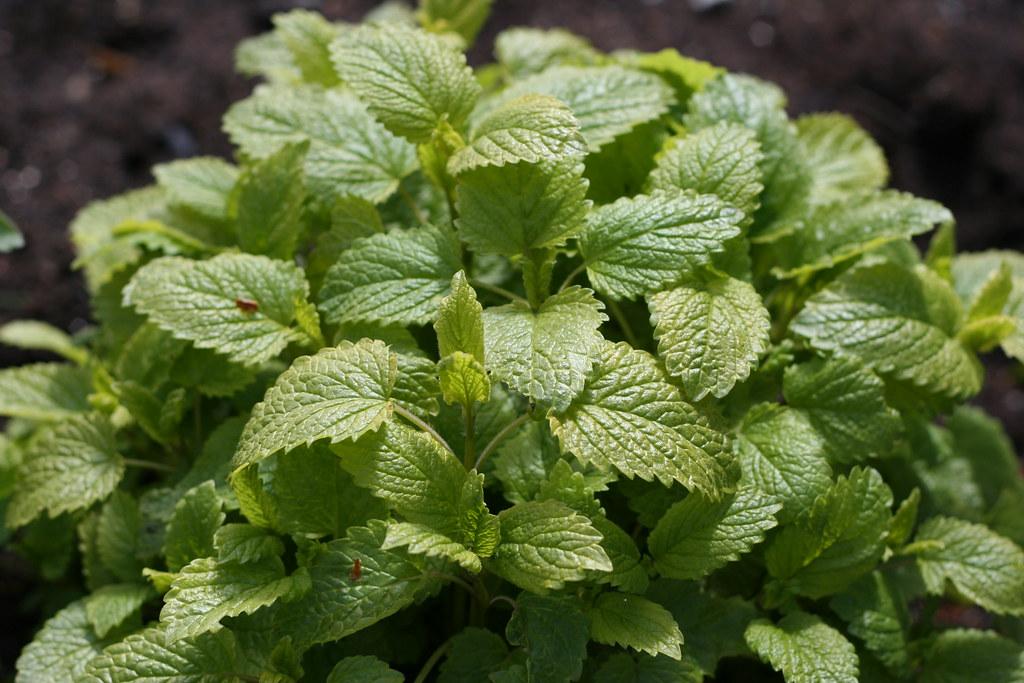
Lemon balm is a plant that can grow 30 cm to 100 cm in height, with a square, hairy stem.【3】 Its leaves are petiolate, oval or heart-shaped, with serrated margins and an opposite arrangement. The flowers are typically white or pale pink and arranged in whorls arising from the leaf axils. The root system is fibrous. The most distinctive feature of the plant is the strong lemon scent released when the leaves are crushed.
Lemon balm cultivation is carried out by seed or vegetative methods (cuttings, root division).
Due to their small size, seeds are usually not sown directly into the field but are first germinated in seedling trays or modules. Once the seedlings have developed, they are transplanted into the field during spring or autumn depending on local climatic conditions. In vegetative propagation, rooted shoots separated from the mother plant are planted directly into the soil.
Weed control, irrigation, and fertilization are critical during production. Lemon balm is a water-demanding plant; therefore, regular irrigation during dry periods directly affects herb (above-ground biomass) yield. Weed management is essential both for optimal plant development and for ensuring product purity after harvest.
The optimal harvesting time is just before or at the onset of flowering, when the concentration of active compounds is highest.
The plant is cut 5–10 cm above ground level.【4】 Depending on climatic conditions and irrigation availability, two to four harvests per year are possible.
Harvested material must be dried in shaded, well-ventilated, and clean areas, avoiding direct sunlight. Drying temperatures should not exceed 35°C, as higher temperatures may cause loss of volatile oils.
The primary constituents responsible for the economic and medicinal value of lemon balm are the volatile oils and phenolic compounds found in its leaves.
The volatile oil content in the plant is low (0.01–0.5%). The main components are citral (geranial and neral) and citronellal, which are primarily responsible for its characteristic lemon aroma.
The plant contains flavonoids, tannins, and bitter principles, with rosmarinic acid being the most significant. Rosmarinic acid is directly associated with the plant’s antioxidant capacity.
Controlling biotic factors is essential to maintain yield and quality in lemon balm production.
The most common fungal diseases affecting the plant are rust (Puccinia melissae) and leaf spot diseases. These diseases reduce leaf quality and can cause economic losses, particularly under humid conditions and in densely planted areas.
Soil-dwelling pests, aphids, red spider mites, and certain nematode species may be encountered in production areas.
Cultural practices such as crop rotation, removal of infected plant residues, and adjustment of planting density are prioritized. In chemical control, care must be taken to select residue-free and authorized products, considering the plant’s medicinal use.
Lemon balm (Melissa officinalis L.) exhibits various pharmacological effects due to its volatile oils and phenolic compounds. Its richness in rosmarinic acid and citral derivatives underpins its antioxidant, sedative, and antimicrobial activities.
Studies have demonstrated that lemon balm exerts calming effects on the central nervous system, explaining its widespread traditional use for alleviating stress, anxiety, and sleep disorders. It also possesses spasmolytic effects on the digestive system and is preferred for relieving dyspeptic symptoms.
Its antiviral properties have been notably studied against herpes simplex virus, supporting its topical application. Additionally, its antioxidant capacity is reported to provide protective effects against cellular damage caused by free radicals.
When traditional uses are evaluated alongside scientific evidence, it becomes evident that the plant’s applications in folk medicine largely align with its pharmacological effects. This congruence enhances the plant’s significance in phytotherapy and supports its integration into modern medicine.
Due to its chemical composition, lemon balm is used as a raw material in various industries:
It is used as a spice and as an aromatic agent in herbal teas and beverages.
Its lemon-like fragrance makes it suitable for use in soap, lotion, and perfume production.
It is included in various formulations in both traditional and modern medicine due to its sedative, digestive, and antiviral properties.
Because its flowers are rich in nectar and attract bees, it is widely used in beekeeping activities.
Warning: The content presented here is intended solely for general encyclopedic information. These data must not be used for diagnosis, treatment, or medical advice. Always consult a physician or qualified healthcare professional before making any health-related decisions. The author and KÜRE Encyclopedia assume no responsibility for any consequences arising from the use of this information for diagnostic or therapeutic purposes.
[1]
Oya Kaçar, Erdinç Göksu ve Nedime Azkan. “Oğul otu (Melissa officinalis L.) yetiştiriciliğinde farklı bitki sıklıklarının bazı tarımsal özellikler üzerine etkisi.” Uludağ Üniversitesi Ziraat Fakültesi Dergisi. Syf:60. Erişim: 15 Mart 2026. https://dergipark.org.tr/tr/download/article-file/154117
[2]
Gamze Başkal, Esra Köngül ve Gökçe Şeker Karatoprak. “Melissa officinalis (Oğul Otu)’in Geleneksel Kullanımı” Sağlık Bilimleri Dergisi. Syf:268 .Erişim:15 Mart 2026. https://dergipark.org.tr/en/download/article-file/693969
[3]
Oya Kaçar, Erdinç Göksu ve Nedime Azkan. “Oğul otu (Melissa officinalis L.) yetiştiriciliğinde farklı bitki sıklıklarının bazı tarımsal özellikler üzerine etkisi.” Uludağ Üniversitesi Ziraat Fakültesi Dergisi. Syf:61. Erişim: 15 Mart 2026. https://dergipark.org.tr/tr/download/article-file/154117
[4]
Oya Kaçar, Erdinç Göksu ve Nedime Azkan. “Oğul otu (Melissa officinalis L.) yetiştiriciliğinde farklı bitki sıklıklarının bazı tarımsal özellikler üzerine etkisi.” Uludağ Üniversitesi Ziraat Fakültesi Dergisi. Syf:61. Erişim: 15 Mart 2026. https://dergipark.org.tr/tr/download/article-file/154117

No Discussion Added Yet
Start discussion for "Lemon Balm (Melissa officinalis L.)" article
Morphological Characteristics
Agricultural Production and Cultivation Techniques
Propagation Methods
Cultivation Practices
Harvesting and Drying
Cutting
Drying
Chemical Composition and Active Compounds
Volatile Oils
Other Compounds
Disease and Pest Management
Diseases
Pests
Control Methods
Pharmacological Effects and Scientific Basis of Traditional Use
Applications
Food Industry
Cosmetics and Perfumery
Pharmacy
Beekeeping