

This article was automatically translated from the original Turkish version.
+2 More
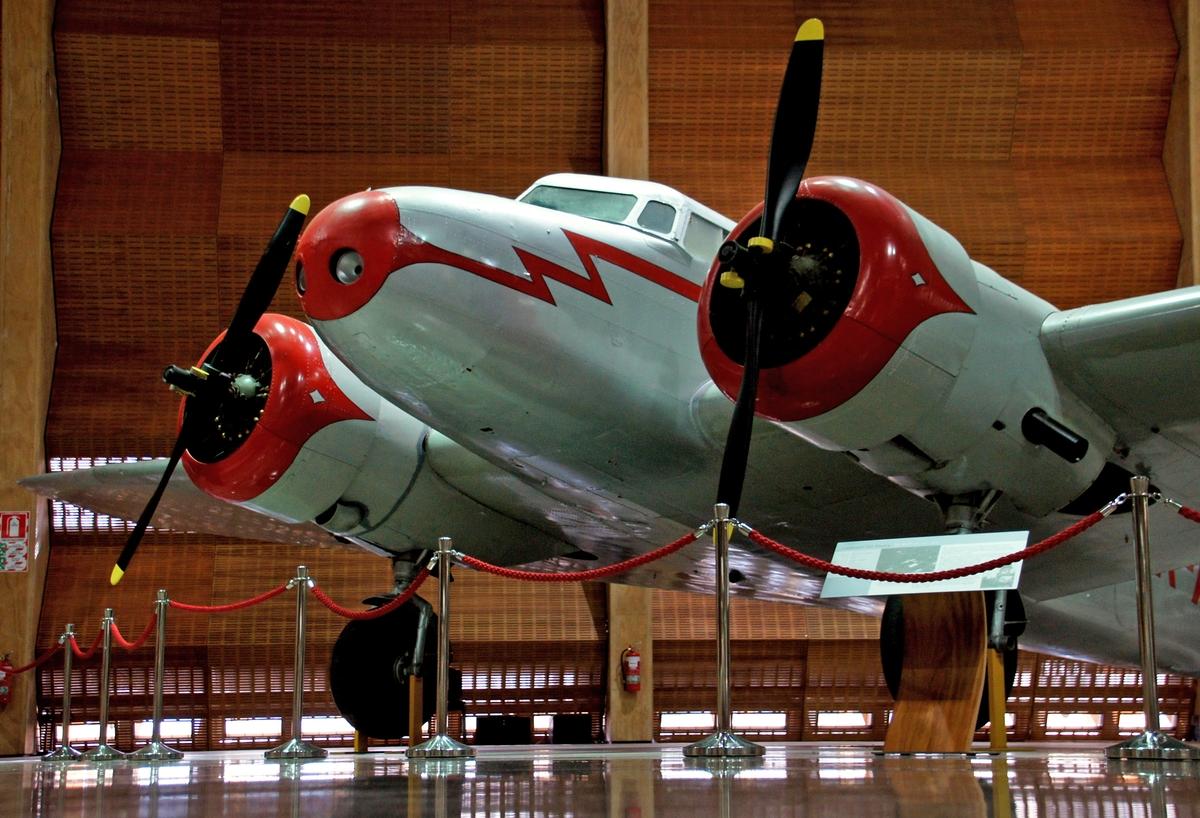
Lockheed Hudson
Producer(s) | Lockheed Aircraft Corporation | ||||||||
|---|---|---|---|---|---|---|---|---|---|
First Flight(s) | 10 December 1938 | ||||||||
Entry into Service | 1939 | ||||||||
Aircraft Type(s) | Twin-engine light bomber and maritime patrol aircraft | ||||||||
Models | Hudson Mk I, Mk II, Mk III, Mk IV, Mk V, Mk VI | ||||||||
Final Use | 1949 (later in some countries) | ||||||||
Lockheed Hudson is a twin-engine, medium-range bomber and patrol aircraft developed by Lockheed at the beginning of World War II. Originally designed as a passenger aircraft, the Hudson was adapted for military use after the outbreak of war. Widely used by the Royal Air Force (RAF), the Hudson played a significant role in a variety of missions, from anti-submarine warfare in the Atlantic to bombing operations over Europe.
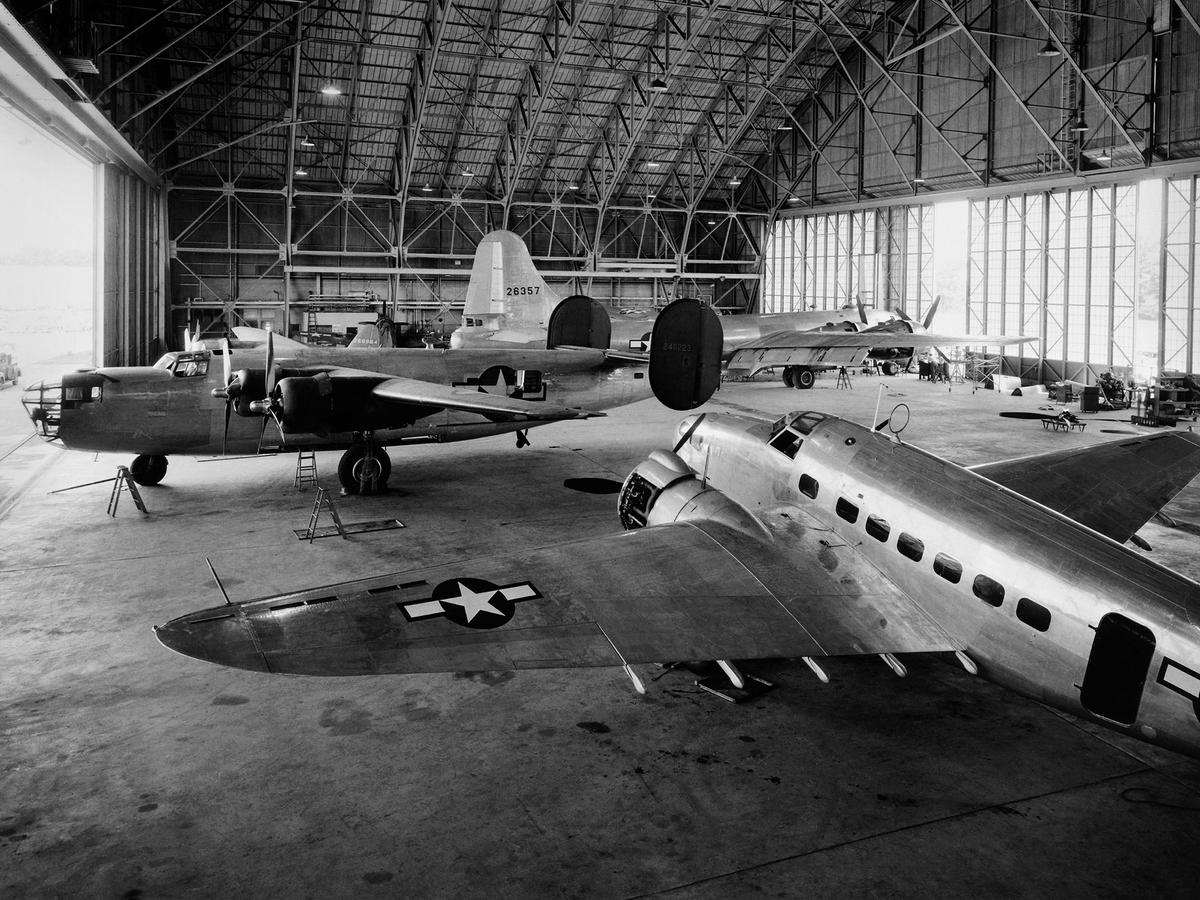
Lockheed Hudson (Rawpixel)
The Hudson's origins lie in the Lockheed Model 14 Super Electra passenger aircraft. In the late 1930s, the RAF sought a new coastal patrol aircraft. Lockheed adapted the Model 14 to meet military requirements, resulting in the development of the Hudson. The first prototype flew in 1938 and was soon ordered by the RAF.
Lockheed Hudson A Story History (YouTube: Andys's Vehicle History Channel)
The Hudson is a low-wing, twin-engine aircraft with a metal fuselage and wooden wings covered in metal skin. It is powered by two Pratt & Whitney R-1830 Twin Wasp radial engines, which provided good speed and range. Its armament consists of machine guns in the nose and upper positions, along with bomb-carrying capacity under the wings.
Several variants of the Hudson were produced, including:
The Lockheed Hudson was employed across a wide range of operational roles during World War II. Initially, it played a crucial role with the Royal Air Force in coastal patrol duties and anti-submarine warfare over the Atlantic Ocean. Hudson aircraft were among the first to achieve aerial victories against German U-boats. On the European front, they were used for light bombing missions and reconnaissance flights. The United States Army Air Forces (USAAF) also operated Hudsons, particularly in transport and patrol roles. Although newer aircraft replaced the Hudson in later stages of the war, it made a significant contribution to the Allied air effort for much of the conflict.
Following the end of the war, the Hudson was withdrawn from service in many countries. However, it remained in use in some nations until the 1950s.
Gruppo Falchi. "Lockheed Hudson Mks I-VI." Accessed May 10, 2025. https://www.gruppofalchi.com/files/Profile-Publications-Aircraft-253---Lockheed-Hudson-Mks-I-VI.pdf.
Lockheed Martin. "Hudson." Accessed May 10, 2025. https://www.lockheedmartin.com/en-us/news/features/history/hudson.html.
MilitaryFactory.com. "Lockheed Hudson." Accessed May 10, 2025. https://www.militaryfactory.com/aircraft/detail.php?aircraft_id=1808.
Paradata. "Lockheed Hudson aircraft." Accessed May 10, 2025. https://paradata.org.uk/article/lockheed-hudson-aircraft.
RAF Museum. "Lockheed Hudson IIIA." Accessed May 10, 2025. https://www.rafmuseum.org.uk/research/collections/lockheed-hudson-iiia/.
YouTube. "Lockheed Hudson A Short History 1938 🇺🇸 ( EP1 S2 )" Accessed May 10, 2025. https://www.youtube.com/watch?v=25Xi5Y5HwCg

Lockheed Hudson
Producer(s) | Lockheed Aircraft Corporation | ||||||||
|---|---|---|---|---|---|---|---|---|---|
First Flight(s) | 10 December 1938 | ||||||||
Entry into Service | 1939 | ||||||||
Aircraft Type(s) | Twin-engine light bomber and maritime patrol aircraft | ||||||||
Models | Hudson Mk I, Mk II, Mk III, Mk IV, Mk V, Mk VI | ||||||||
Final Use | 1949 (later in some countries) | ||||||||
Development Process
Design Features
Variants
Technical Specifications (Hudson Mk I)
Operational History
Retirement