


This article was automatically translated from the original Turkish version.
+2 More
Lotus Feet is a physical condition resulting from the tight binding of girls’ feet in China, which obstructed normal development and transformed the feet into a small, inwardly curled shape. The practice became a symbol of status and elegance among aristocratic circles during the Song Dynasty and later spread to other social classes. Small feet were widely regarded as markers of beauty, nobility, and desirability in marriage.
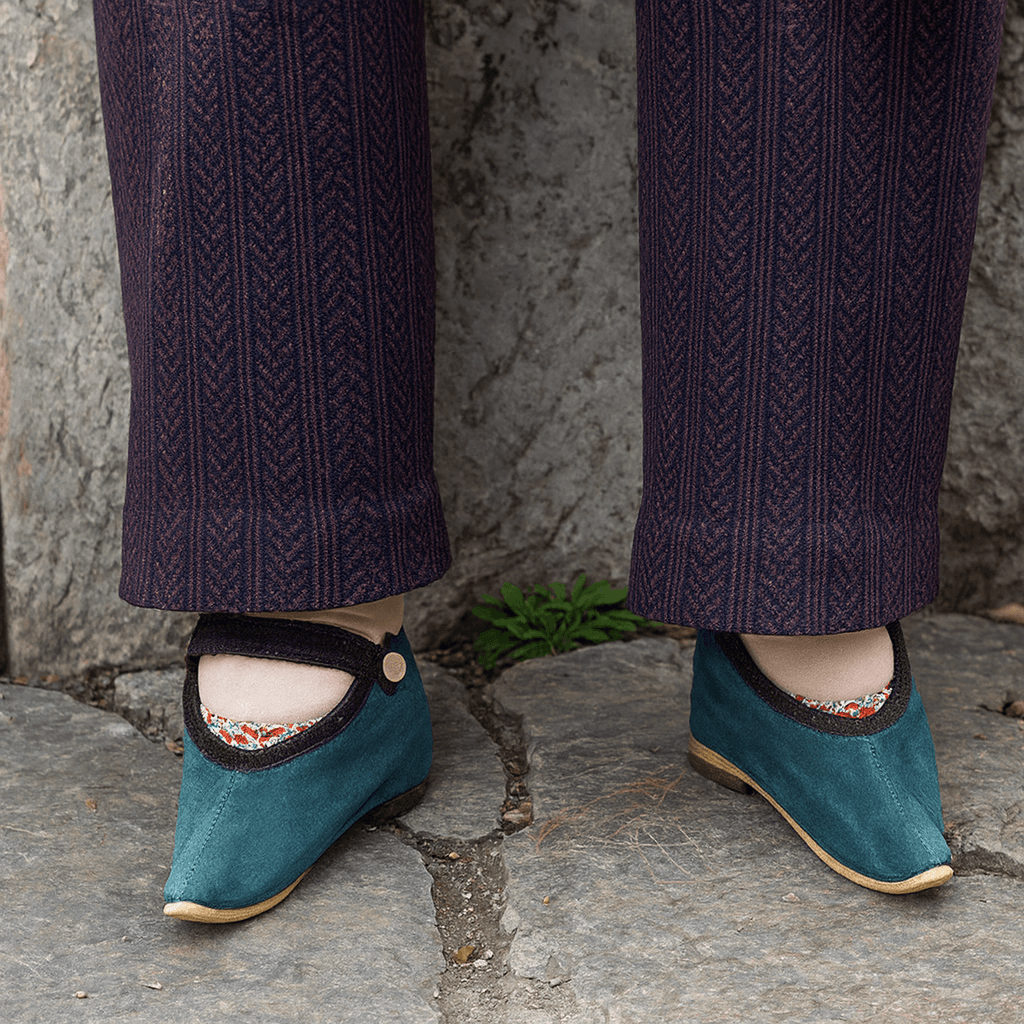
Lotus Feet (Generated by Artificial Intelligence)
The lotus metaphor was used to describe the ideal shape of the bound foot. Classifications were made according to length: feet measuring three inches were called Golden Lotus, those measuring four inches Silver Lotus, and longer ones Iron Lotus. Specialized footwear was produced to match this form, and the distinctive gait was described as the “willow branch sway.”
The origins of the practice are linked to court culture during the Tang Dynasty, particularly in dance and performance. During the Song Dynasty it became a status symbol among the aristocracy and was later observed across different regions and social classes during the Ming and Qing periods. Efforts to ban the practice were recorded from the 17th century onward, and in the early 20th century modernization movements and organized opposition gained momentum. The practice was effectively ended by state policies in the 1950s.
In China, family structure was based on patrilineal inheritance. Marriage functioned as an arrangement between families. The upbringing of prospective brides emphasized adherence to norms of modesty and mastery of domestic skills. Lotus feet served as a tangible expression of these qualities and significantly increased a bride’s chances of being selected for marriage.
Foot binding typically began between childhood and adolescence. In some regions, the first binding was marked by a ceremonial occasion involving prayers, offerings, and symbolic animal parts that imbued the practice with sacred meaning. The ritual also gained social legitimacy by being associated with family honor and loyalty to tradition.

Lotus Feet (Generated by Artificial Intelligence)
The practice was initiated at an early age, before the foot bones had fully fused. The four smaller toes were bent downward toward the sole, leaving the big toe exposed, and bandages were progressively tightened to force the bones into a new shape. Typical bandages measured approximately four meters in length and ten centimeters in width, woven from cotton thread, and fresh bandages were often used for each application. Nails were cut deeply, alum powder was sprinkled between the toes, and bandages were periodically removed to clean the feet—all measures aimed at reducing the risk of infection and injury. The first two years represented the period of most rapid shaping. Once the desired size and form were achieved, lotus shoes were worn.
Due to altered functionality of the foot sole and heel, the way the foot contacted the ground and the body’s balance were fundamentally changed. The gait developed short steps and a pronounced lateral sway of the torso. Sources note that long-term binding led to altered patterns of force transmission in the lower limbs and hip region. These changes permanently affected the rhythm and pattern of daily movement.
Lotus shoes were shaped to fit the curved contours and dimensions of the bound foot. The upper was made of silk, brocade, or cotton fabric; linings and inner components used cotton, linen, or hemp fibers. The sole was hardened by layering and stitching multiple fabric layers; some examples featured removable inner soles. For outdoor use, wooden soles or heels were crafted by carpenters. Surface decorations featured regional motifs: lotus flowers and other blossoms, dragons and animal imagery, and visual puns symbolizing fertility and lineage continuity.
Colors were chosen according to function: red signified good fortune and celebration, yellow denoted imperial and royal associations, white indicated mourning, purple was reserved for imperial heirs, and blue and gray tones indicated advanced age. Distinct styles and ornamentation programs existed for weddings, mourning, and daily use. Pronounced regional styles emerged along the north-south axis, with “southern style” and “northern style” shoes identified as separate typological groups in scholarly literature. Protective and auspicious types such as “tiger shoes” for children were also common.

Lotus Feet (Generated by Artificial Intelligence)
The typology of lotus shoes varied according to context of use (wedding, daily, ritual), season, and region. High-heeled and flat-soled versions could coexist in the same period but in different areas. Delicate silk-embroidered models crafted by artisans for the palace and elite contrasted with cotton-based examples produced domestically in rural areas, representing different socio-economic expressions of the same typology. Embroidery patterns drawn from design books reflected family symbolic preferences and regional iconography.
The practice was directly tied to the spatial and functional distribution of women’s labor. Domestic production—including sericulture, spinning, weaving, and shoemaking—formed the core of the traditional household economy. Since foot binding limited women’s capacity for outdoor physical labor, female labor became concentrated in indoor crafts, fostering high levels of manual skill and fine craftsmanship in textile and footwear production. A bride’s status was assessed alongside her dowry and handmade goods; lotus shoes became a visible element of the domestic craft repertoire.
Foot binding was subject to administrative regulations and local bans from the 17th century onward. In the late 19th and early 20th centuries, modernization campaigns and anti-binding movements gained strength, accelerating abandonment in educational and urban circles. The practice was effectively terminated by state policies in the 1950s.
The lotus metaphor was associated with purity, continuity, and order. Within the Confucian family model, the distinction between “inner” and “outer” spaces positioned women as guardians of domestic order and moral integrity. Lotus feet functioned as a tangible and visible bodily manifestation of this role, aligning with the symbolism of marriage rituals and family continuity. The variation in color, motif, and shoe form according to ceremonial contexts revealed the breadth of the symbolic repertoire.
Lotus feet represent a long-standing bodily shaping practice in Chinese society, understood in relation to family structure, marriage strategies, domestic labor organization, and ritual-symbolic systems. The technical process, material culture, and shoe typologies diversified according to regional styles, and were ultimately eradicated through historical processes of prohibition and modernization. The form and ornamentation of lotus shoes offer a comprehensive visual-cultural lexicon, conveying both status and identity markers as well as traditional symbolism.
Ko, Dorothy. *Every Step a Lotus: Shoes for Bound Feet.* University of California Press, 2001. Accessed October 3, 2025. https://www.academia.edu/4831150/Every_Step_A_Lotus_Shoes_for_Bound_Feet.
Çakar, Ayşen Seymen. “Kadının İnsan Haklarından Bir Sapma Örneği: Çin’de Ayak Bağlama Geleneği.” *Türkiye Barolar Birliği Dergisi*. Accessed October 3, 2025. https://tbbdergisi.barobirlik.org.tr/m2022-161-2060.
İmre, Havva Meryem. “Güzellik ve Sosyal Konum Göstergesi Olarak Lotus Ayak ve Ayakkabı.” *Uluslararası Disiplinlerarası ve Kültürlerarası Sanat.* Accessed October 3, 2025. https://dergipark.org.tr/en/download/article-file/1833389.

Terminology
Historical Background
Social Structure
Rituals
Technical Process
Gait
Materials and Motifs
Regional Variations
Women’s Labor
Bans
Symbolic Meaning