


This article was automatically translated from the original Turkish version.
+1 More
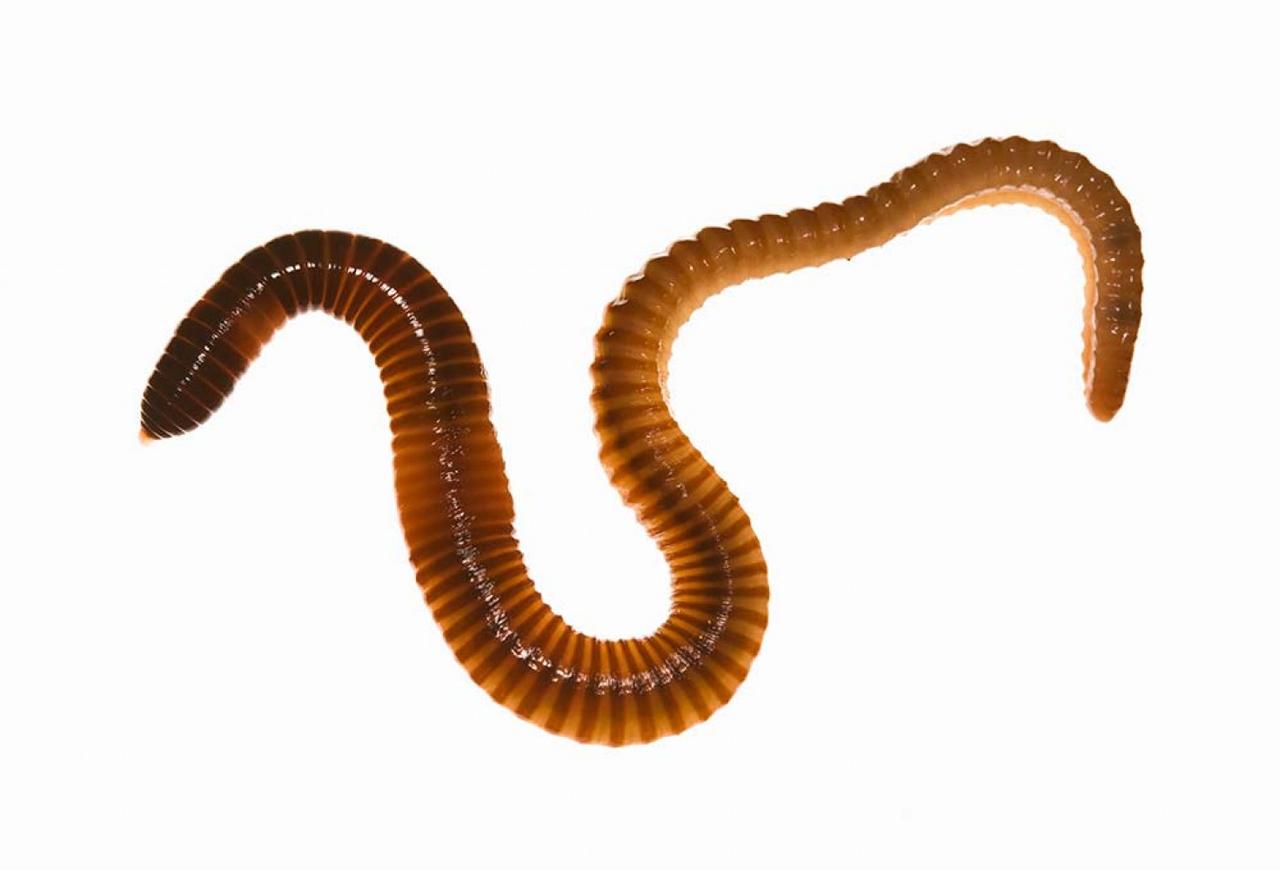
Earthworm
Class | Oligochaeta | ||||||||
|---|---|---|---|---|---|---|---|---|---|
Lumbricus terrestris is a species that plays a role in bioturbation within soil ecosystems and assumes functions in important. This article examines scientific studies on the position of L. terrestris in ecosystem processes and its agricultural significance on. Lumbricus terrestris belongs to the class Oligochaeta and has a wide geographic distribution. Its ecological importance is significant due to its functions in improving soil structure, organic substance transformation, and enhancing microbial activity like.

Lumbricus terrestris is an annelid species averaging 20–30 cm in length with a segmented body organization. Its body is covered by a cuticle and, through mucus secretion, maintains humidity balance to support epidermal respiration. The anterior segments contain light-sensitive photoreceptors that enable neuromuscular responses to environmental stimuli. L. terrestris possesses a hermaphroditic reproductive system and reproduces via cross-fertilization, completing embryonic development through cocoon formation. The life cycle and population dynamics of the species are directly influenced by edaphic factors and temperature fluctuations.
Lumbricus terrestris performs critical functions in the sustainability of edaphic ecosystems:
Soil Processing and Increased Macroporosity: The burrows created by the species enhance soil aggregate stability and optimize air circulation water.
Organic Matter Transformation: Through saprotrophic activity, it breaks down organic components, accelerating humification processes.
Enhancement of Nutrient Bioavailability: Vermicast, the worm’s excrement, is particularly rich in nitrogen, phosphorus, and potassium, facilitating plant nutrient uptake.
Modulation of Microbial Activity: Microbial processes within the digestive system increase symbiotic microbial diversity, supporting soil health.
Lumbricus terrestris offers multiple advantages in sustainable agricultural systems:
Soil Structure Improvement: Worm activity reduces soil compaction and enhances drainage capacity.
Impact on Plant Growth: Vermiculture practices support the synthesis of phytohormones that promote plant growth.
Reduction of Chemical Fertilizer Use: Worm castings reduce the need for mineral fertilizers and support environment friendly agricultural approaches opportunity.
Lumbricus terrestris has an increasingly growing potential for use in biotechnology and environmental engineering:
Soil Contamination and Remediation Studies: It is evaluated as a active agent in biological degradation processes of heavy metals and toxic compounds.
Use as a Bioindicator: Due to its sensitivity to edaphic stress factors, it is used in soil quality assessments.
Pharmacological Research: Worm enzymes are being studied for medical applications due to their ability to accelerate wound healing and their antimicrobial properties.
Lumbricus terrestris is an important organism that regulates edaphic processes, promotes agricultural productivity, and enhances environmental sustainability. More effective utilization of this species in agriculture, ecology and biotechnology will contribute to the conservation and development of ecosystem services in the future. In particular, increasing scientific research on L. terrestris in the context of environmental restoration, soil management, and biotechnological applications will improve understanding of its functional roles.
Saruhan, Vedat, and Sibel Sönmez. “Toprak Solucanlarının Toprak Verimliliği Üzerine Etkileri.” Ormancılık Araştırma Dergisi 2, no. 1 (2015): 22–29. https://dergipark.org.tr/tr/pub/ogmoad/issue/30292/302647.
Yalçın, Hüsne. “Toprak Solucanları ve Organik Madde ile İlişkileri.” Bilim ve Teknik Dergisi 34, no. 4 (2010): 78–80. https://e-dergi.tubitak.gov.tr/edergi/yazi.pdf?dergiKodu=4&cilt=34&sayi=408&sayfa=78&yaziid=12999.

Earthworm
Class | Oligochaeta | ||||||||
|---|---|---|---|---|---|---|---|---|---|
No Discussion Added Yet
Start discussion for "Lumbricus terrestris (earthworms)" article
Morphology and Biology
Ecological Role
Agricultural Significance
Biotechnological and Environmental Applications