

 Recently Added:
This article was automatically translated from the original Turkish version.
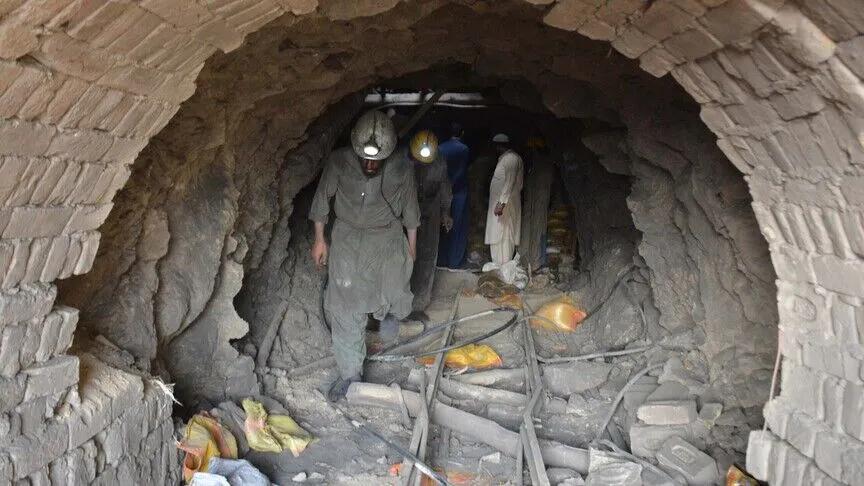
A coal mining complex near Quetta, the capital of the Balochistan province in southwestern Pakistan, experienced a methane gas explosion on 30 July 2026, which has been recorded as one of the deadliest mining accidents in the country in recent years. The explosion of methane gas underground caused partial collapse of mine galleries, trapping numerous miners under debris. Initial assessments indicated that approximately 42 workers were present in the mine at the time of the explosion, and a large number of search and rescue teams were promptly deployed to the area.
Rescue operations were conducted under extremely difficult conditions due to the risk of further collapse and the critical drop in oxygen levels inside the mine following the explosion. In the initial hours, the bodies of seven miners were recovered, and by the end of the night, the death toll had risen to 34. Authorities stated that due to the rapid depletion of oxygen after the methane explosion, the chances of rescuing any workers still trapped alive were very low.
Balochistan Minister for Mines and Minerals Shoaib Nosherwani announced that rescue teams continued their work under great risk and offered condolences to the families of the deceased miners. The provincial government declared that a compensation of 500,000 Pakistani rupees would be paid to the family of each miner who lost their life. It was also announced that an investigation had been launched to determine the causes of the explosion in detail and that safety measures in all coal mines across the province would be reviewed.
Mine inspector Ghani Baloch stated that rescue efforts would continue until all miners had been reached, but acknowledged that hopes were diminishing due to the hazardous conditions created by the methane explosion. After the incident, the bodies were released to families once identification procedures were completed, and many relatives of miners waited for days in the region for news from the rescue operations.
Following the explosion, the Pakistan Central Federation of Mine Workers alleged that the incident may have resulted from negligence and called for accountability. The union highlighted that inadequate gas monitoring systems, poor ventilation, and insufficient enforcement of safety regulations are among the primary causes of similar accidents. It also demanded stricter penalties for mining operators who violate safety legislation.
Fatal workplace accidents in coal mines, particularly in the Balochistan province of Pakistan, have long been a major issue. Many mines in the region are reported to lack modern ventilation systems, gas sensors, and protective equipment, yet thousands of people rely on mining for their livelihood.
Associated Press. “Coal mine blast in Pakistan kills at least 32 miners and traps 10 others.” Accessed July 31, 2026.https://apnews.com/article/pakistan-coal-mine-explosion-workers-trapped-southwest-a9d928fe51cafcef92dd40cb1606eb50
RTÉ News. “34 killed in Pakistan coal mine blast.” Accessed July 31, 2026.https://www.rte.ie/news/world/2026/0731/1585914-pakistan-coal-mine/
Reuters. “Death toll rises to at least 34 after blast at Pakistan coal mine complex.” Accessed July 31, 2026.
The Independent. “Methane gas explosion at coal mine in southwestern Pakistan kills 34 people.” Accessed July 31, 2026.https://www.independent.co.uk/asia/south-asia/pakistan-coal-mine-explosion-methane-gas-b3024950.html
The Straits Times. “Death toll rises to at least 34 after blast at Pakistan coal mine complex.” Accessed July 31, 2026.https://www.straitstimes.com/asia/south-asia/blast-at-pakistan-coal-mine-complex-kills-eight-dozens-missing-official-says

In a methane gas explosion at a coal mine in Pakistan's Balochistan province, 34 miners lost their lives.
No Discussion Added Yet
Start discussion for "Methane Gas Explosion in Pakistan's Balochistan Province (July 2026)" article
July 31, 2026
Search and Rescue Operations and Official Statements
July 31, 2026
Workplace Safety Debates and Challenges in the Mining Sector