


This article was automatically translated from the original Turkish version.
+1 More
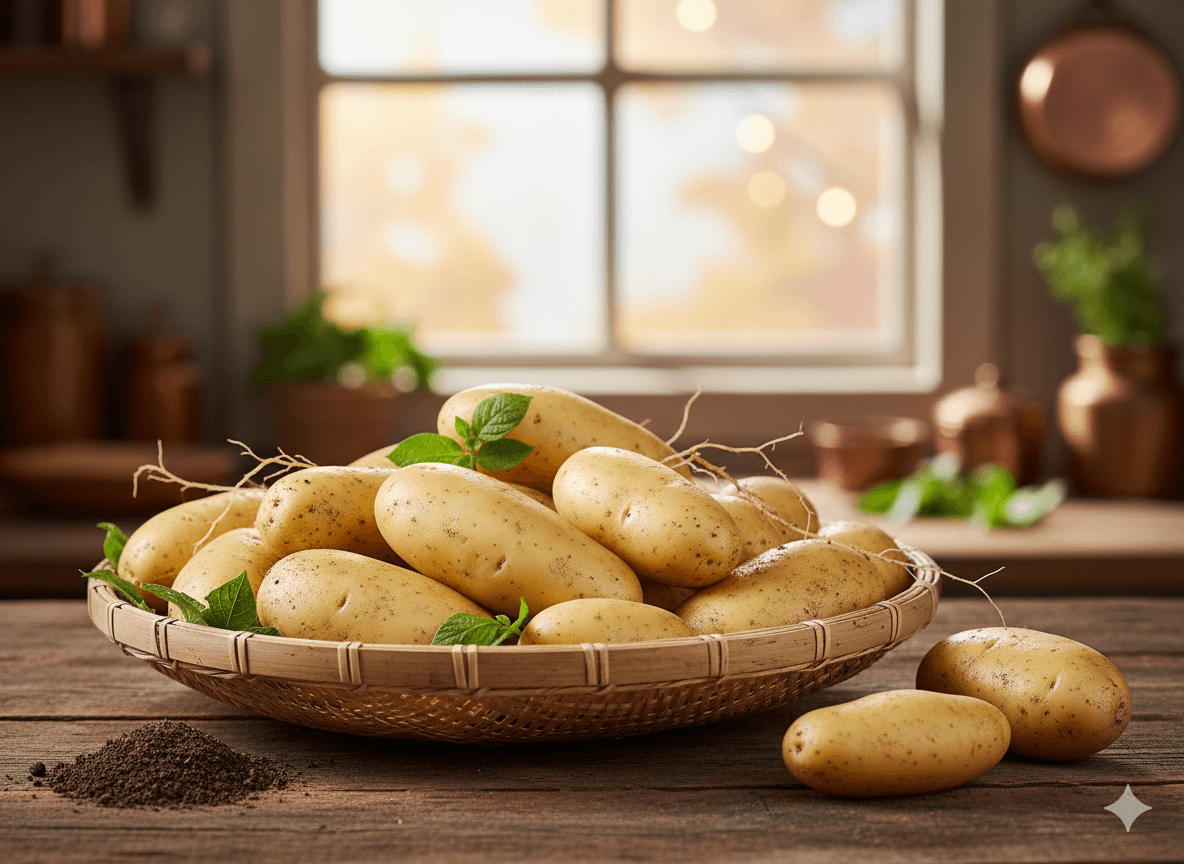
Mishima Bareisho (Generated by Artificial Intelligence.)
Registration Number | 18 | ||||||||
|---|---|---|---|---|---|---|---|---|---|
Geographical Indication Name | Mishima Bareisho | ||||||||
Class | Vegetables/Grain Crackers/Legumes | ||||||||
Protection Date | 12 October 2016 | ||||||||
Production Area | Shizuoka Prefecture (parts of Mishima City and Kannami Town) | ||||||||
Applicant | Fuji-Izu Japan Agricultural Cooperatives | ||||||||
Used Variety | May Queen | ||||||||
Mishima Bareisho is a potato variety produced in the regions of Kannami Town, under Mishima City and Tagata District, in Shizuoka Prefecture, Japan, located on the western slopes of Mount Hakone, and registered under the Japonya GI (Japan GI mark) system as a geographical indication product.
The product belongs to the "May Queen" variety and is registered under the category of Vegetables, within the broader group of Vegetables/Cereals/Legumes, with registration number 18. Mishima Bareisho is defined by its unique sensory characteristics, the geographical conditions of its growing region, and specific post-harvest processing methods.
Mishima Bareisho has a smooth, attractive and glossy exterior surface. Its textural properties stand out by combining qualities of two distinct potato varieties:
The geographical production area of Mishima Bareisho lies on the western slopes of Mount Hakone. The soil structure of this region consists of layered deposits that, over a long period, have transformed into black weathered soils derived from volcanic ash, historically known as "black soil."
About Mishima Bareisho (Geographical Indication Product Information Website)
The cultivated soil layer is deep and soft. This structure imparts excellent permeability, aeration, and water retention properties to the soil.
The region’s climate provides suitable conditions for potato cultivation:
These conditions are considered ideal for potato cultivation, which requires moderate humidity and a mildly cool climate.
The south-facing sloped structure of the fields in the production area provides two key advantages that enhance suitability for potato farming: extended daylight hours and effective drainage. However, this sloped terrain makes the use of large harvesting machinery difficult. As a result, each potato is carefully harvested by hand.
During cultivation, the soil surface is covered with a vinyl mulch. Harvesting is performed with great care to avoid damaging the potato skin.
One of the critical steps determining the quality of Mishima Bareisho is the post-harvest curing and drying process. Harvested potatoes are stored for one to two weeks in a cool, dark, and well-ventilated environment to dry. This process provides several benefits:
This drying process is essential; if potatoes are stored before their surface is adequately dried, moisture condenses on the skin and respiration is impaired. This can lead to bruising, rotting, and disease. By exposing the potatoes to air during drying, their quality is preserved even after purchase by consumers.
Geographical Indication Product Information Site. "18 Mishima Bareisho." YouTube. Accessed October 24, 2025. http://www.youtube.com/watch?v=t2QBQp1rFWI.
Japan Geographical Indication. "Mishima Bareisho." Information Website on Japan's Geographical Indications. Accessed October 24, 2025. https://pd.jgic.jp/en/register/entry/18.html.

Mishima Bareisho (Generated by Artificial Intelligence.)
Registration Number | 18 | ||||||||
|---|---|---|---|---|---|---|---|---|---|
Geographical Indication Name | Mishima Bareisho | ||||||||
Class | Vegetables/Grain Crackers/Legumes | ||||||||
Protection Date | 12 October 2016 | ||||||||
Production Area | Shizuoka Prefecture (parts of Mishima City and Kannami Town) | ||||||||
Applicant | Fuji-Izu Japan Agricultural Cooperatives | ||||||||
Used Variety | May Queen | ||||||||
Morphological and Sensory Characteristics
Geographical Location and Soil Structure
Climate Conditions
Topography and Cultivation Methods
Post-Harvest Processing: Curing and Drying