


This article was automatically translated from the original Turkish version.
+1 More
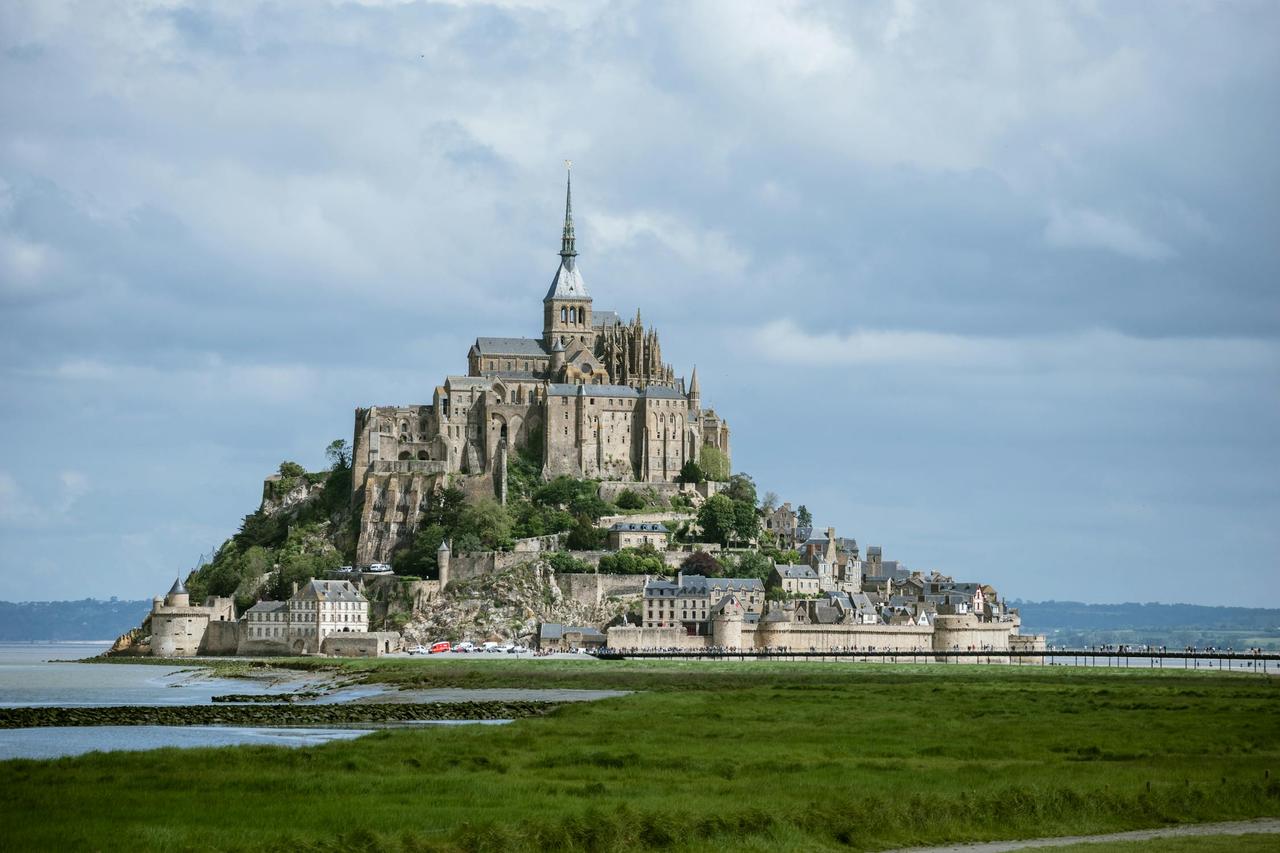
Mont-Saint-Michel
Location | Normandy Region France | ||||||||
|---|---|---|---|---|---|---|---|---|---|
Title(s) | UNESCO World Heritage Site (since 1979) | ||||||||
Establishment | 8th century | ||||||||
Mont-Saint-Michel is a granite island surrounded by tidal waters, located in the Couesnon River estuary within the Normandy region of northwestern France, in the department of Manche. This site, where religious, architectural, and environmental elements converge, attracts attention through its combined natural and cultural landscape features. It was inscribed on the UNESCO World Heritage List in 1979. Since the Middle Ages, Mont-Saint-Michel has held religious significance and also embodies structural characteristics from various periods in European architectural history.
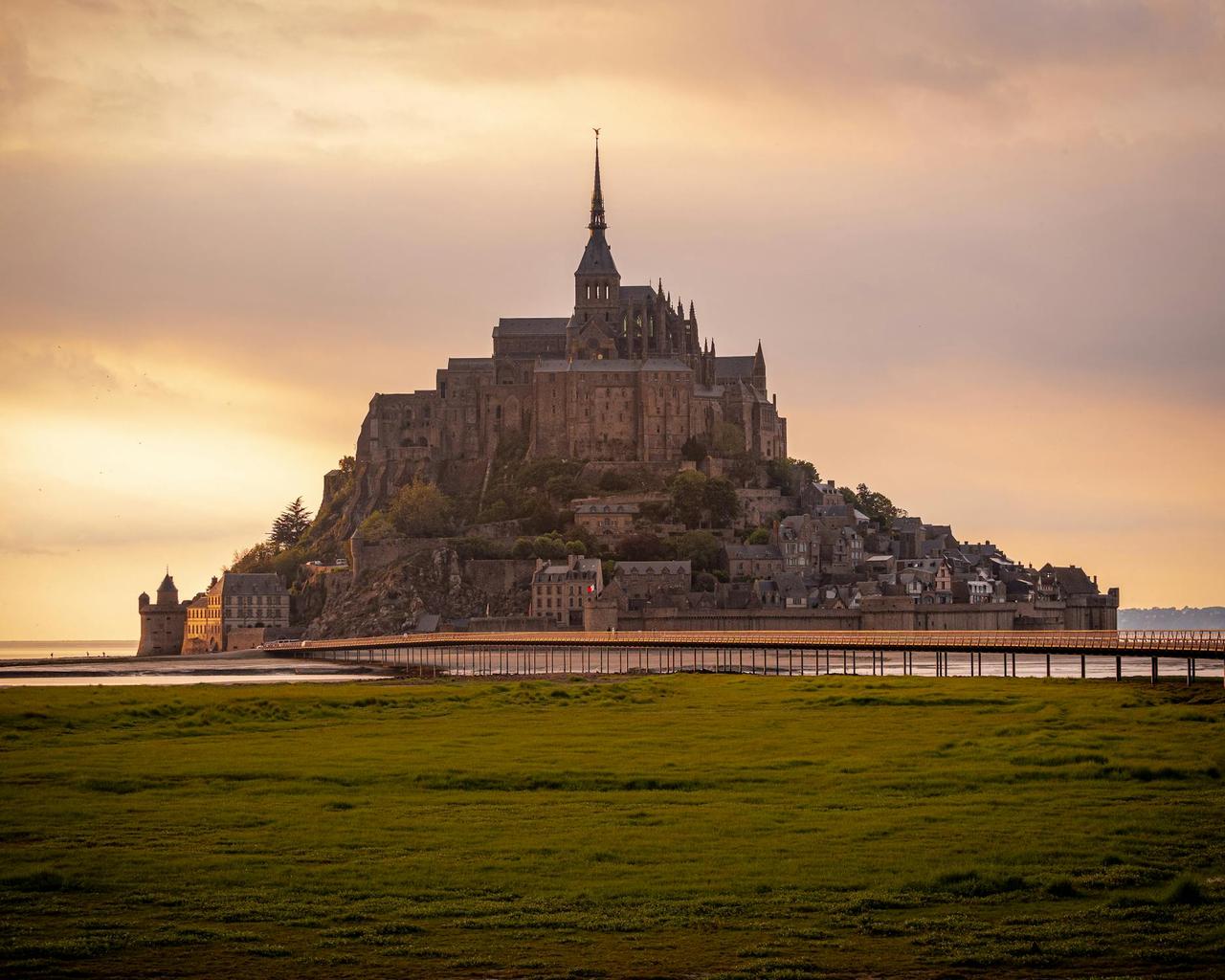
Mont Saint-Michel (
Mont-Saint-Michel is situated in a coastal area significantly influenced by tidal movements. The island lies on a rocky elevation composed largely of granite. Due to tidal cycles, the island periodically loses its connection to the mainland and becomes isolated. This region experiences tidal differences of up to approximately 15 metres, making it one of the most notable examples of sea level variation in Europe. These natural processes have shaped the area’s morphological characteristics and the defensive systems developed during historical periods.
The history of Mont-Saint-Michel dates back to the 8th century. It is traditionally believed that in 708, Bishop Aubert of Avranches, following a vision attributed to the Archangel Michael, commissioned the construction of a place of worship on the island. In the 10th century, Benedictine monks settled on the island, initiating monastic life, which gradually transformed the site into a major pilgrimage centre. The Romanesque structures built during the 11th and 12th centuries were expanded in the 13th century with the addition of Gothic architectural elements. The complex constructed during this period, known as “La Merveille,” reflects the spatial organization of the monastic buildings.
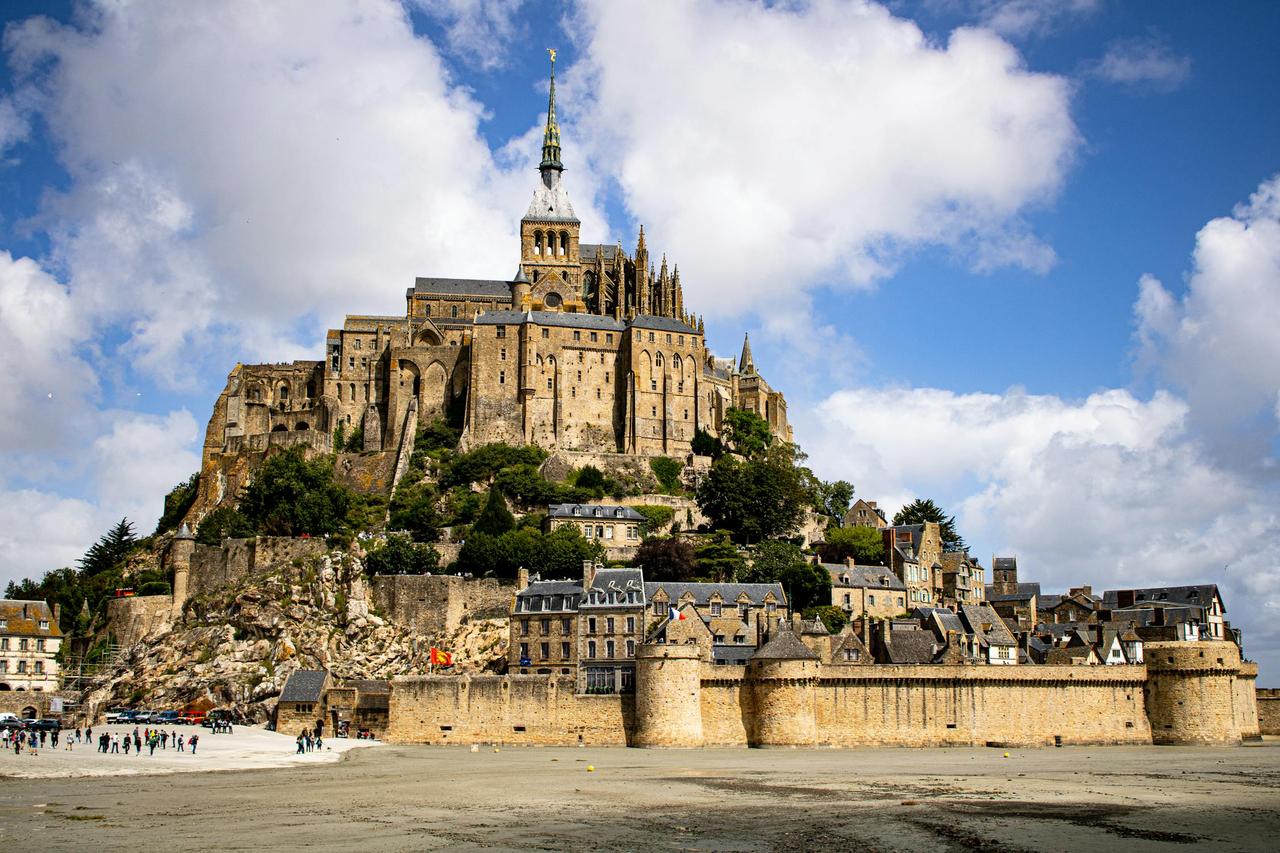
Mont Saint-Michel (Thomas Evraert, pexels)
Mont-Saint-Michel features a multi-layered complex that integrates functionality with structural harmony in monastic architecture. Among the three-tiered Gothic structures are the church, refectory, monk cells, shelters, and libraries. The buildings are arranged to conform to the natural slope of the rock. The island is encircled by defensive walls, towers, and bastions constructed for protection. Stonemasonry, Gothic arches, and architectural ornamentation reflect the construction techniques and aesthetic sensibilities of the period.
The preservation of Mont-Saint-Michel encompasses not only its architectural heritage but also the continuity of its natural environment. Agricultural drainage projects undertaken in the 19th century caused the island to become permanently connected to the mainland, altering the site’s original landscape character. As part of a landscape restoration initiative launched in 2005, the traditional road was removed; a new pedestrian bridge completed in 2015 restored the natural tidal cycle. This intervention is regarded as a measure aimed at safeguarding the site’s historical and environmental values.
Mont-Saint-Michel is one of the major religious centres in Western Europe dedicated to the Archangel Michael. Throughout history, it has served as a focal point for pilgrimages and has attained a symbolic status within French national identity. The site continues to be a subject of scholarly research in terms of both religious history and coastal architecture.
Dennis, Benny. “Fransa, Kent Simgesi, Görülecek Yer, Yaz.” Pexels. Accessed May 31, 2025. https://www.pexels.com/tr-tr/fotograf/fransa-kent-simgesi-gorulecek-yer-yaz-24871696.
Evraert, Thomas. “İnsanlar, Fransa, Kent Simgesi, Görülecek Yer.” Pexels. Accessed May 31, 2025. https://www.pexels.com/tr-tr/fotograf/insanlar-fransa-kent-simgesi-gorulecek-yer-5259739.
UNESCO World Heritage Centre. "Mont-Saint-Michel and its Bay." UNESCO World. Accessed May 31, 2025. https://whc.unesco.org/en/list/80.
Şahin, Burçin. “Peyzaj, Manzara, Gün Batımı, Fransa.” Pexels. Accessed May 31, 2025. https://www.pexels.com/tr-tr/fotograf/peyzaj-manzara-gun-batimi-fransa-27590848.

Mont-Saint-Michel
Location | Normandy Region France | ||||||||
|---|---|---|---|---|---|---|---|---|---|
Title(s) | UNESCO World Heritage Site (since 1979) | ||||||||
Establishment | 8th century | ||||||||
Geographical Location and Natural Features
Historical Background
Architectural Features
Landscape Conservation and Modern Interventions
Cultural and Symbolic Significance