
badge icon

This article was automatically translated from the original Turkish version.

Article

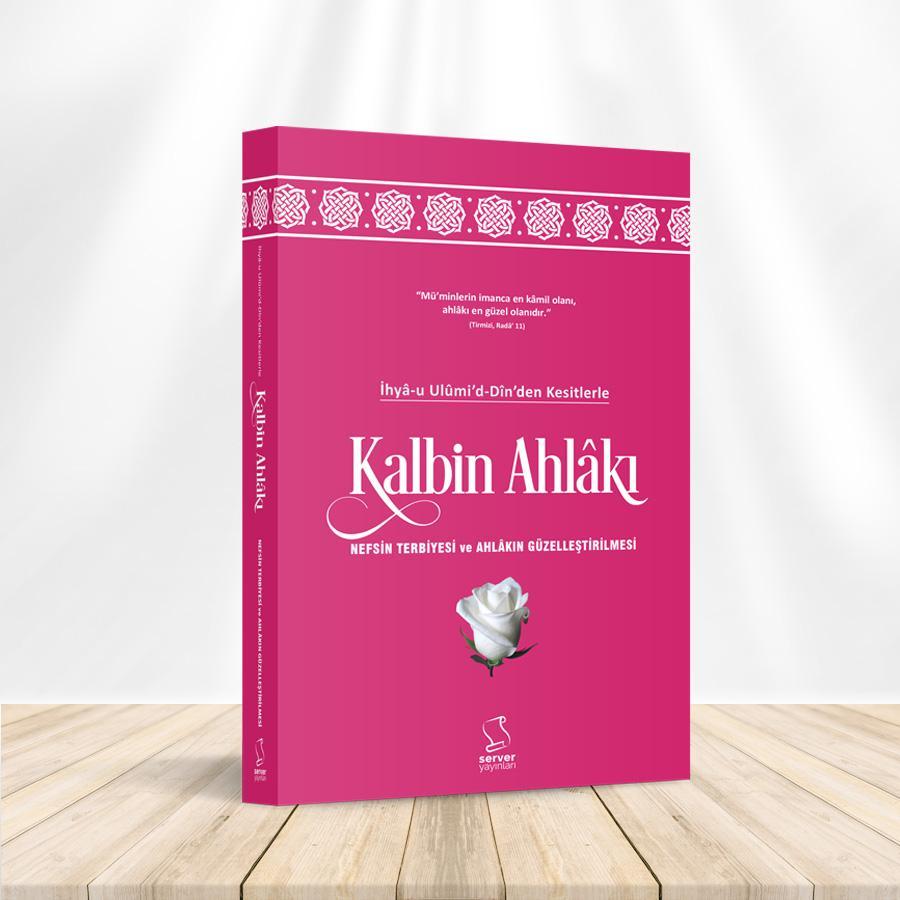
Morality of the Heart through Excerpts from Ihya Ulum al-Din (Book)

Quote
kalbin-ahlak-1708498226.jpg
Author
Collective
Publisher
Server Yayınları
Publication Date
24.08.2022
Page
448
Type
SufismIslamic ethics

"The Morality of the Heart: Excerpts from Ihya Ulum al-Din" is a work by Imam Ghazali (d. 450/1058 – d. 505/1111), comprising selected passages and their explanations from his famous work, "Ihya Ulum al-Din". The book focuses on the moral and spiritual ailments of the heart, offering insights into their diagnosis and treatment.

Purpose of the Book

The book aims to contribute to the reader’s spiritual development by selecting key passages from "Ihya Ulum al-Din", a work of central importance within the Sufism tradition. It presents al-Ghazali’s morality insights in simplified language, making them accessible to contemporary readers.

Main Themes

Drawing on Imam al-Ghazali’s Sufi thought, the work addresses the following topics:

  • Spiritual ailments of the heart: The definitions of spiritual diseases such as envy, pride, and hypocrisy are examined in detail, along with their effects on the human soul and the paths to overcoming them.
  • Humility, sincerity, and patience: The necessity of mastering one’s self, avoiding self-exaltation over others, and approaching God with genuine sincerity is emphasized. Patience is presented as a vital virtue for maintaining composure and steadfastness in times of hardship.
  • Self-discipline and purification of the heart: The origin of the self, the need to rein in one’s desires, and the process of cleansing the heart from spiritual impurities to attain truth are explained.
  • Attachment to the world and desire for wealth and status: The harmful effects of excessive worldly attachment on spiritual growth are outlined, along with the spiritual measures required to counteract them. The transient nature of worldly blessings is stressed, highlighting the importance of living with an afterlife-oriented perspective.
  • Repentance and purification: The process of remorse for sins, turning toward God, and achieving spiritual cleansing is explored. Al-Ghazali stresses that repentance requires sincerity and consistency.
  • Gratitude and contentment: The spiritual peace that arises from being satisfied with one’s blessings and expressing gratitude to God in all circumstances is examined.
  • Prayer and remembrance: The role of prayer and dhikr in purifying the heart and drawing closer to God is explained. Al-Ghazali draws attention to the transformative impact of these acts on spiritual development.
  • Consciousness of death and the afterlife: The fleeting nature of this world and the permanence of the afterlife are emphasized, underscoring the need for individuals to live with this awareness.
  • Companionship and friendship: The importance of forming friendships with righteous individuals for spiritual growth is discussed. Al-Ghazali explains how one’s social environment influences moral character.

Historical and Cultural Context

Imam al-Ghazali lived in the 11th century during a period of political, social, and cultural upheaval in the Islamic world. His work "Ihya Ulum al-Din" was written as a reaction against the moral decay and spiritual void observed in society at the time. In this work, al-Ghazali sought to guide individuals inward, showing the pathways to moral maturity and spiritual purification. Thus, "The Morality of the Heart" reflects this historical context, aiming to contribute to social harmony by turning attention to the inner life of the individual.

Critiques

The book benefits from its accessibility to a broad readership due to its simplified presentation of al-Ghazali’s "Ihya Ulum al-Din". However, some critiques argue that this simplification fails to fully reflect the depth of al-Ghazali’s conceptual framework. Additionally, there are differing views regarding the applicability of certain interpretations in the book to contemporary issues. Nevertheless, the work is regarded as an accessible and valuable source for readers seeking to understand Sufi moral thought.

Notable Quotations

  • "The heart is like a sovereign; the limbs are its soldiers. If the sovereign is upright, the soldiers are upright; if it is corrupt, the soldiers are corrupt."
  • "Love of the world is like a tree rooted in the heart; its fruit is sin and negligence."
  • "Whoever considers himself superior to others is condemned to drown in the quagmire of pride."
  • "One who does not abandon the desires of the self cannot attain spiritual ascent."
  • "Patience is a flower that blooms amid the thorns of suffering."
  • "Whoever does not cultivate the love of God in his heart is lost in the grasp of worldly anxieties."

Author Information

Avatar
AuthorElyesa KöseoğluDecember 18, 2025 at 2:21 PM

Tags

Discussions

No Discussion Added Yet

Start discussion for "Morality of the Heart through Excerpts from Ihya Ulum al-Din (Book)" article

View Discussions

Contents

  • Purpose of the Book

  • Main Themes

  • Historical and Cultural Context

  • Critiques

  • Notable Quotations

Ask to Küre