


This article was automatically translated from the original Turkish version.
+1 More
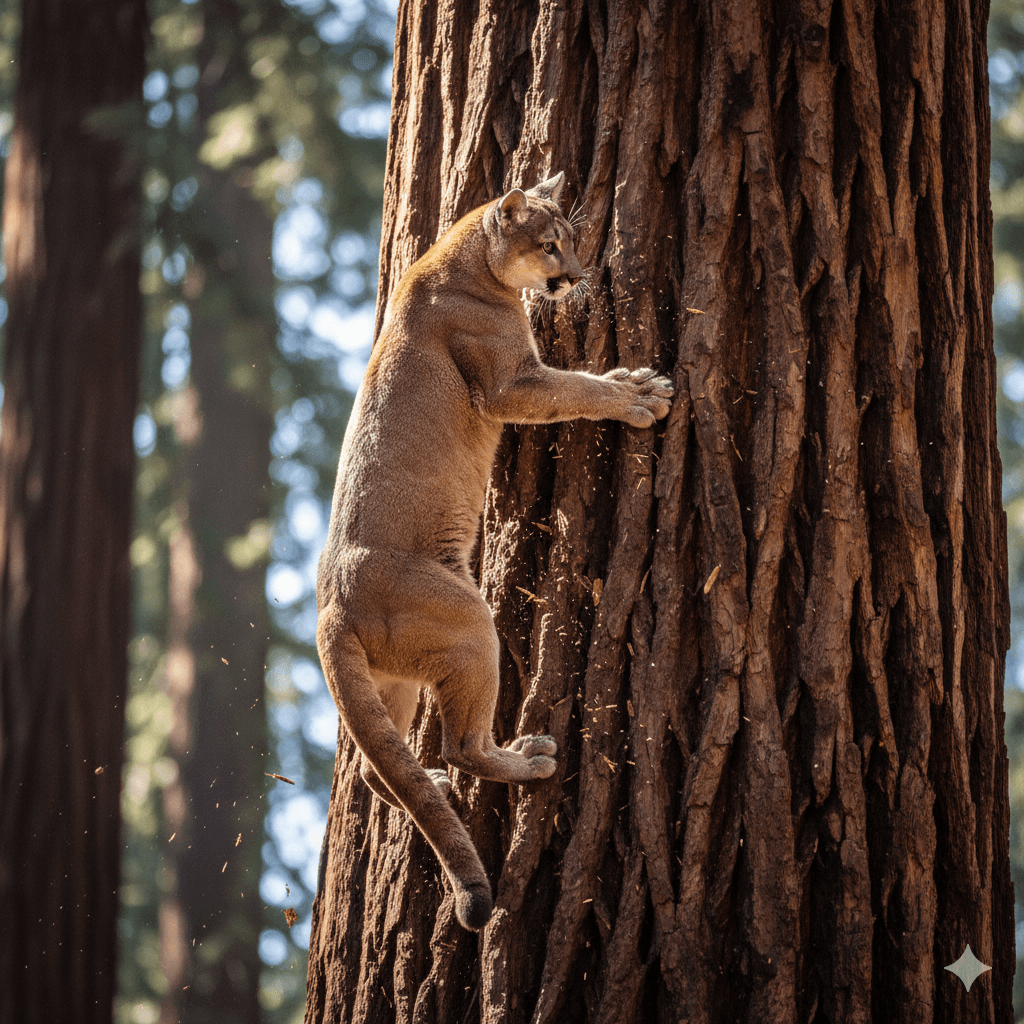
Dağ Aslanı
(Yapay Zeka ile Oluşturulmuştur)
Mountain lion (Puma concolor) is a large predatory mammal belonging to the Felidae family. The species has a wide geographic distribution across the Western Hemisphere and is known by numerous local names including puma, cougar, panther, and catamount. According to Guinness World Records, it is one of the mammals with the highest number of regional names. It is classified within the subfamily Felinae due to its inability to roar; however, it is among the largest members of this group in terms of body size.
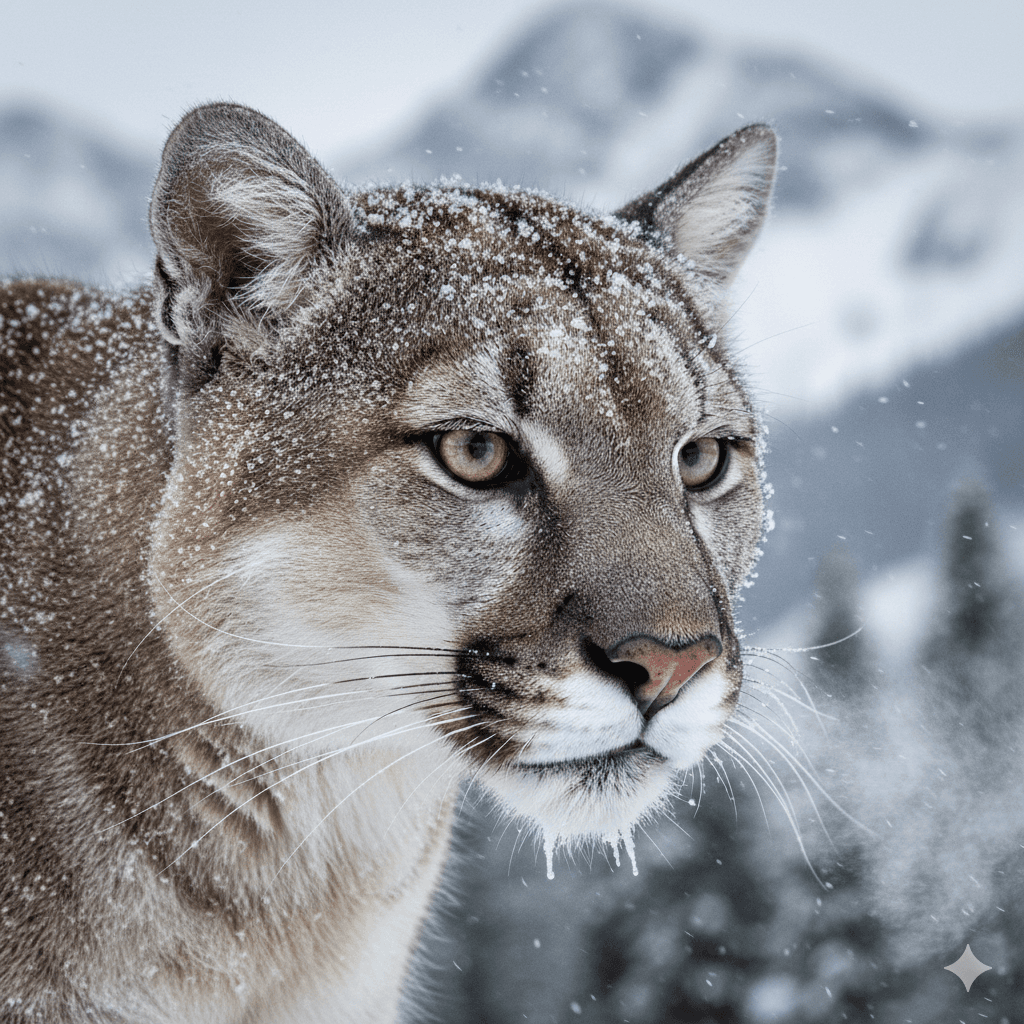
Mountain Lion (Puma concolor)
(Generated by Artificial Intelligence)
Mountain lions are large cats with slender, agile, and muscular bodies. Pronounced sexual dimorphism is observed within the species; males are 40 to 60 percent heavier than females. Adult males weigh between 53 and 100 kilograms depending on geographic location, with some sources reporting up to 120 kilograms, while females typically weigh between 29 and 64 kilograms. Their body length, from nose to tail tip, can reach 2.4 meters, and their long cylindrical tails, which account for approximately one-third of total body length, play a critical role in balance.
Their fur is short and dense, with coloration varying according to habitat. The coat is generally tawny, but becomes darker and reddish-brown in warm humid tropical regions and silvery-gray in cold mountainous areas. The underside of the body, throat, and chest are whitish. The head is broad and short, with a high and arched forehead. The most distinctive facial features include a pink nose outlined in black extending to the lips, black ear backs, and a black-tipped tail.
Their skeletal structure is notable for having hind legs longer and more muscular than the forelegs. This anatomy enables them to leap vertically up to 5.5 meters (18 feet) and horizontally up to 6.1 meters (20 feet). Their dental formula is 3/3, 1/1, 3/2, 1/1; the canine teeth are heavy and blunt for gripping prey, while the carnassial teeth are large and elongated for shearing flesh.【1】
Historically, Puma concolor inhabited a continuous range from Canada’s Yukon Territory to the southernmost tip of South America in Chile and Argentina, making it one of the mammals with the broadest distribution. Although its range has contracted due to habitat loss and hunting pressure, it still persists in 28 countries today.
The species exhibits high ecological adaptability and can inhabit coniferous mountain forests, tropical rainforests, deserts, arid shrublands, swamps, and grasslands. Key determinants of habitat selection are vegetation or rocky terrain suitable for ambush hunting and sufficient prey populations.
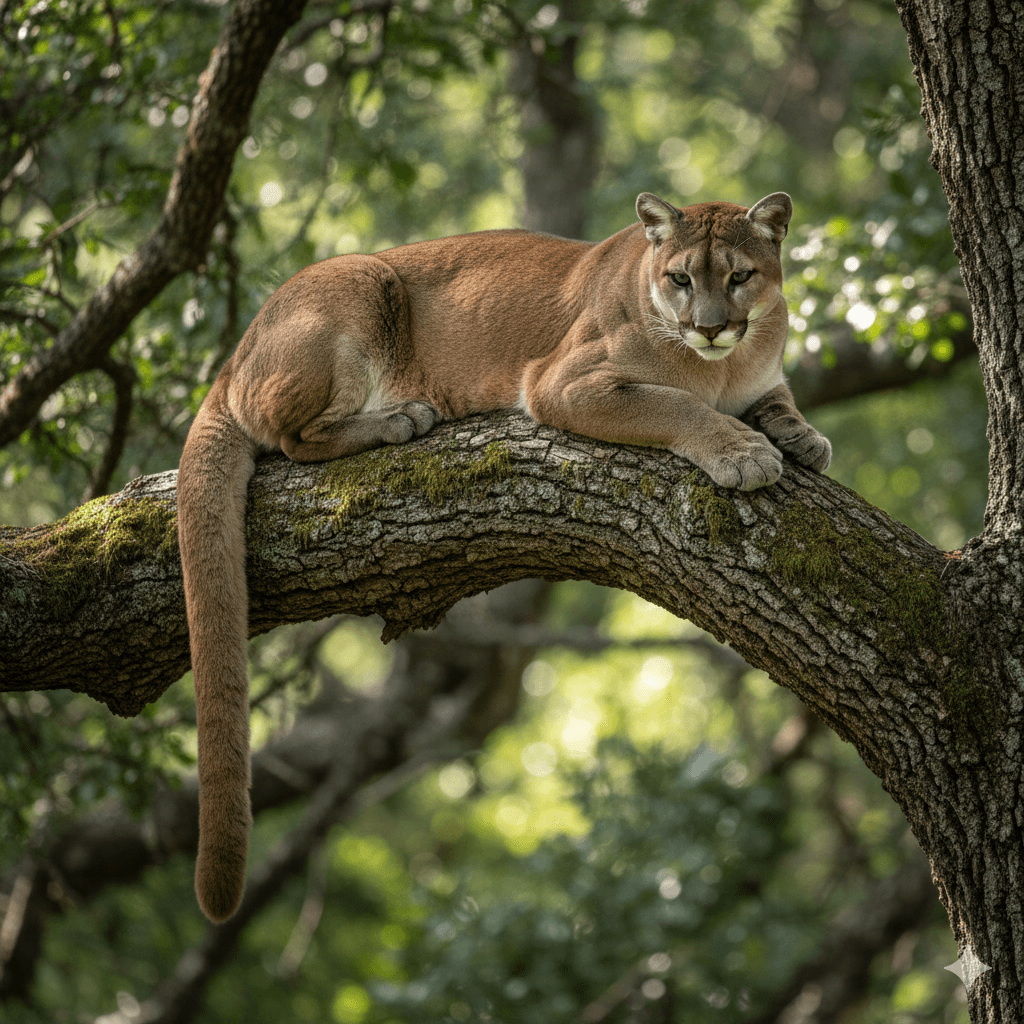
Mountain Lion (Puma concolor)
(Generated by Artificial Intelligence)
Mountain lions are solitary and cryptic animals except during mating seasons and the mother-offspring bond. Male home ranges vary from 140 to 760 square kilometers and typically encompass the territories of multiple females, but rarely overlap with those of other males.
To defend territories and communicate, they use visual and chemical markers including urine, feces, and especially scratch marks made with their hind paws on trees or soil. High-frequency vocalizations, such as hisses and screams, particularly during the female’s estrus period, also play a role in communication. They are generally nocturnal or crepuscular in activity.
As obligate carnivores, pumas must consume meat to survive. In North America, their diet consists largely of large ungulates such as mule deer, white-tailed deer, elk, and bighorn sheep. However, as opportunistic predators, they also feed on bighorn sheep, raccoons, porcupines (despite their quills), rabbits, birds, and even insects.
Research in areas such as Nevada has shown that mountain lions prey on wild horses (mustangs) in their ecosystems, particularly targeting foals, which serve as a significant food source and help regulate horse populations.【2】 Their hunting strategy is based on “stalk-and-ambush.” The puma approaches its prey silently and launches a sudden attack from close range, usually incapacitating or killing it with a powerful bite to the neck or a crushing bite to the base of the skull. After killing a large prey, it may drag the carcass up to 350 meters to conceal it from other predators, covering it with leaves, soil, snow, or brush (cache), and feeds from this reserve over several days.【3】
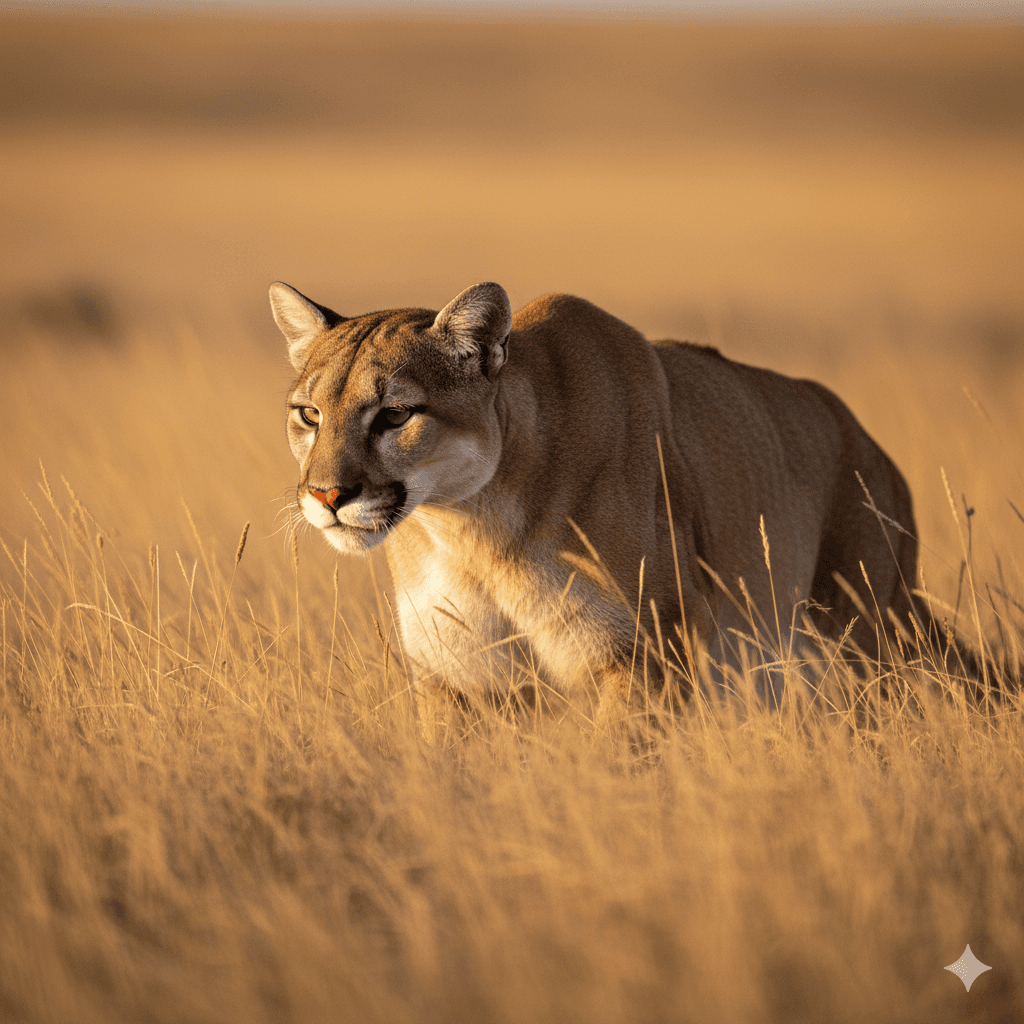
Mountain Lion (Puma concolor)
(Generated by Artificial Intelligence)
Mountain lions have a polygynous mating system, where one male mates with multiple females. Breeding can occur year-round, but births in northern latitudes are concentrated between April and July. The gestation period averages 90 to 96 days, and females give birth to one to six cubs, typically two to three per litter.
Cubs are born blind (eyes open after 10 to 14 days) and have coats covered in distinctive black spots that provide camouflage; these spots fade and disappear by about six months of age. After weaning, cubs remain with their mother for 12 to 24 months to learn hunting skills. In the wild, their average lifespan is 8 to 13 years, but they can live up to 20 years in captivity.
Although classified as “Least Concern” globally by the International Union for Conservation of Nature (IUCN), mountain lion populations are declining and face serious threats at local levels.【4】 Major threats include habitat fragmentation, vehicle collisions, and predator control hunting conducted to protect livestock.
The species has been largely extirpated from eastern North America (except Florida); the eastern cougar subspecies was officially declared extinct in 2011. However, subspecies such as the Florida panther (Puma concolor coryi) remain critically endangered and are supported by conservation programs aimed at increasing genetic diversity and constructing wildlife crossings over highways.【5】 As an apex predator, the mountain lion plays a regulatory role in ecosystems by preventing overpopulation of herbivores and the consequent destruction of vegetation.
American Wild Horse Conservation. "Natural Predators: Mountain Lions and Wild Horse Ecosystems." Accessed February 18, 2026.
Dewey, Tanya, and Anupama Shivaraju. “Puma concolor (cougar).” *Animal Diversity Web*. Accessed February 18, 2026. https://animaldiversity.org/accounts/Puma_concolor/
National Wildlife Federation. “Mountain Lion.” National Wildlife Federation. Accessed February 18, 2026. https://www.nwf.org/Educational-Resources/Wildlife-Guide/Mammals/Mountain-Lion
Panthera. "Puma Program." Accessed February 18, 2026.
San Diego Zoo Animals & Plants. "Mountain Lion (Puma, Cougar)." San Diego Zoo Animals & Plants. Accessed February 18, 2026. https://animals.sandiegozoo.org/animals/mountain-lion-puma-cougar
Turpentine Creek Wildlife Refuge. "Mountain Lion." Turpentine Creek Wildlife Refuge. Accessed February 18, 2026. https://education.turpentinecreek.org/species-information/cougar/
https://americanwildhorse.org/stories/the-role-of-natural-predators-in-wild-horse-ecosystems-6966
https://panthera.org/program/puma
[1]
Tanya Dewey and Anupama Shivaraju, “Puma concolor (cougar),” Animal Diversity Web, accessed 18 February 2026,
[2]
American Wild Horse Conservation, “Natural Predators: Mountain Lions and Wild Horse Ecosystems,” American Wild Horse Conservation, accessed 18 February 2026,
https://americanwildhorse.org/stories/the-role-of-natural-predators-in-wild-horse-ecosystems-6966
[3]
National Wildlife Federation, “Mountain Lion,” National Wildlife Federation, accessed 18 February 2026,
https://www.nwf.org/Educational-Resources/Wildlife-Guide/Mammals/Mountain-Lion
[4]
Tanya Dewey and Anupama Shivaraju, “Puma concolor (cougar),” Animal Diversity Web, accessed 18 February 2026,
[5]
National Wildlife Federation, “Mountain Lion,” National Wildlife Federation, accessed 18 February 2026,
https://www.nwf.org/Educational-Resources/Wildlife-Guide/Mammals/Mountain-Lion

Dağ Aslanı
(Yapay Zeka ile Oluşturulmuştur)
No Discussion Added Yet
Start discussion for "Mountain Lion (Puma concolor)" article
Physical Characteristics and Anatomy
Geographic Distribution and Habitat
Behavior, Territoriality, and Communication
Feeding Ecology and Hunting Strategy
Reproduction and Life Cycle
Conservation Status and Threats