


This article was automatically translated from the original Turkish version.
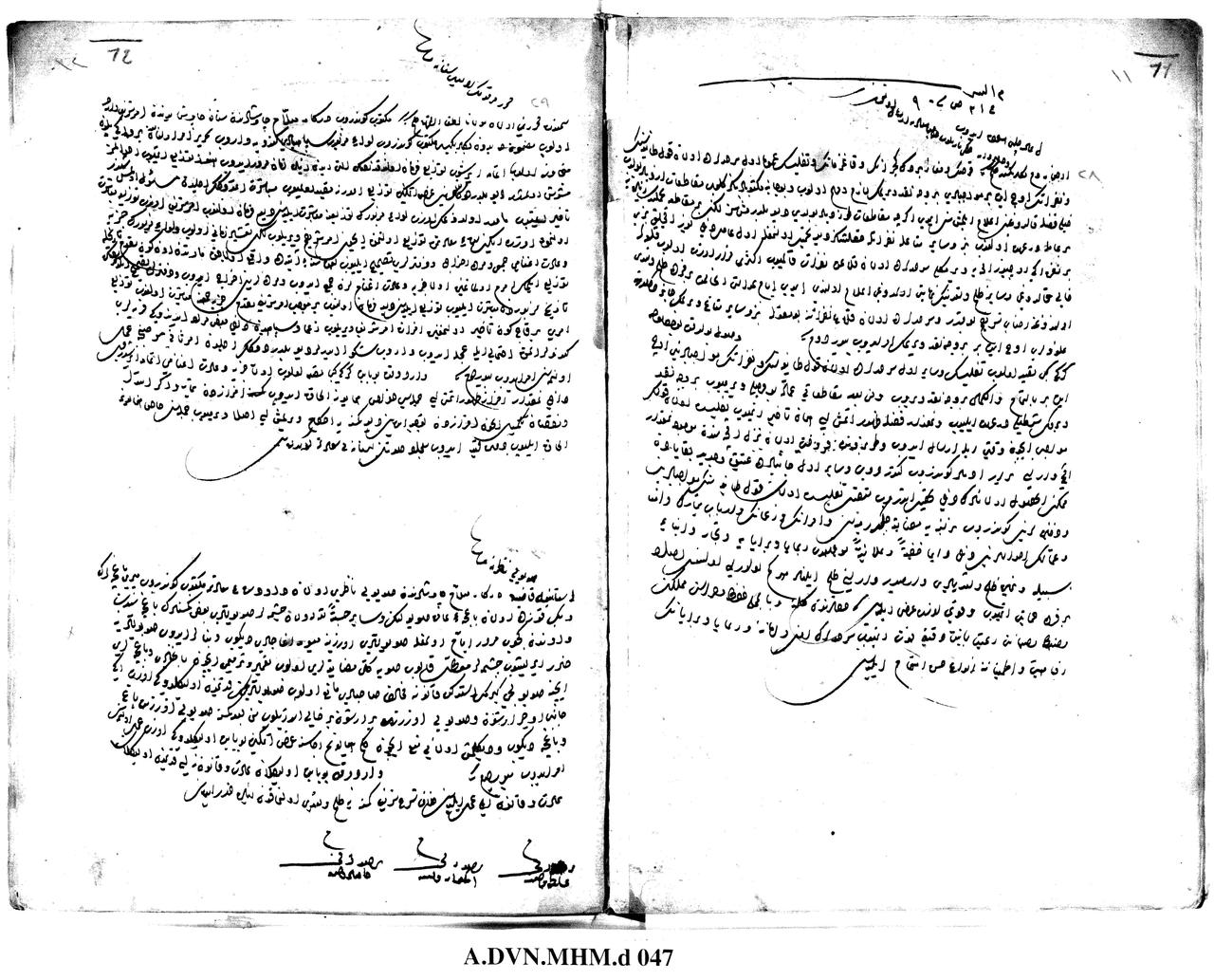
The registers in which political, administrative, social, and economic decisions made during the Divan-ı Hümâyûn meetings of the Ottoman State regarding domestic and foreign issues were recorded are known as Mühimme Defterleri. The Ottoman Archives hold a total of 419 Mühimme Defterleri compiled between 1553 and 1915. These registers, maintained without interruption for approximately 350 years, possess a unique historical value in understanding Ottoman governance and state decision-making processes. No other state, imperial or otherwise, possesses comparable records; these registers contain a wide range of information spanning politics to culture, economics to military strategy, and rank among the most valuable collections in the Ottoman Archives.
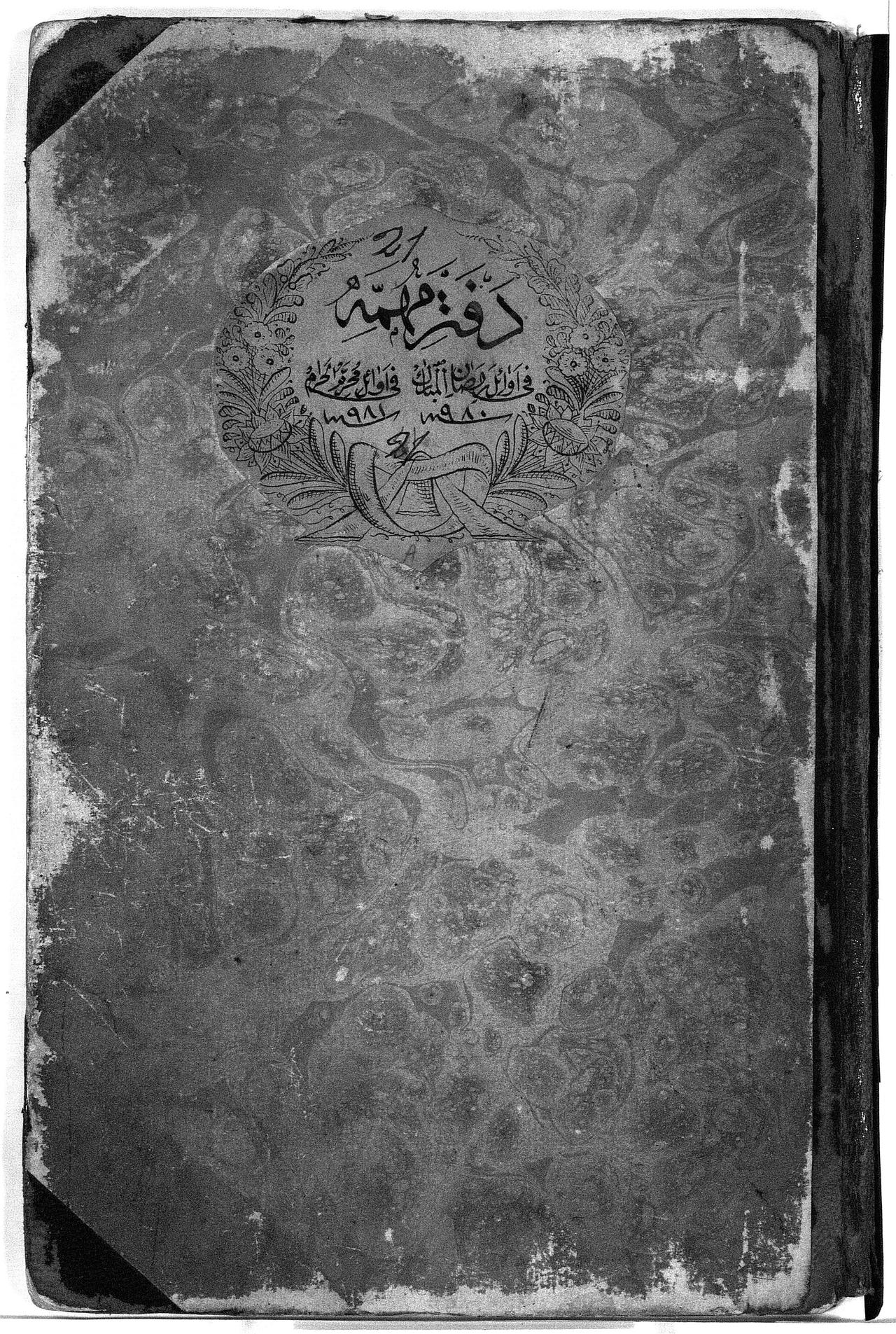
Image Source: BOA, A.DVN.MHM.d, nr. 21.
Types of Mühimme Defterleri
Decisions of the Divan-ı Hümâyûn were recorded in four distinct types of Mühimme Defterleri, depending on the nature of the meeting:
The rulings recorded in the Mühimme Defterleri were copies of decrees and firmans sent to the provinces. Decisions taken in the Divan meetings were entered into the registers in chronological order only after receiving the Sultan’s approval. For a decision to acquire official validity, it was mandatory that it be recorded in the relevant register; otherwise it had no legal standing.
The cancellation or correction of entries in the registers was permitted only with the explicit permission of the Sultan. The Nişancı could not make any corrections to the registers without the Sultan’s special authorization. The invalidation of a firman (terkîn edilmesi) or its annulment and tearing (şakk edilmesi) could be carried out solely by the Sultan’s order. The Mühimme Defterleri underwent structural and content-related changes over time. In the classical period (1553–1642), registers lacked headings and only the dates of entries were noted in Arabic. In later periods, dates were subdivided into evâil (first ten days of the month), evâsıt (middle ten days), and evâhir (last ten days).
The topics recorded in the registers were shaped by the pressing issues of their respective periods. In some rulings, the importance of the matter was emphasized using phrases such as “bu husus mevâdd-ı mühimmedendir” (this matter belongs to important affairs) or “husûs-ı mezbûr mühimmâtdandır” (the aforementioned matter falls among important affairs) such as.
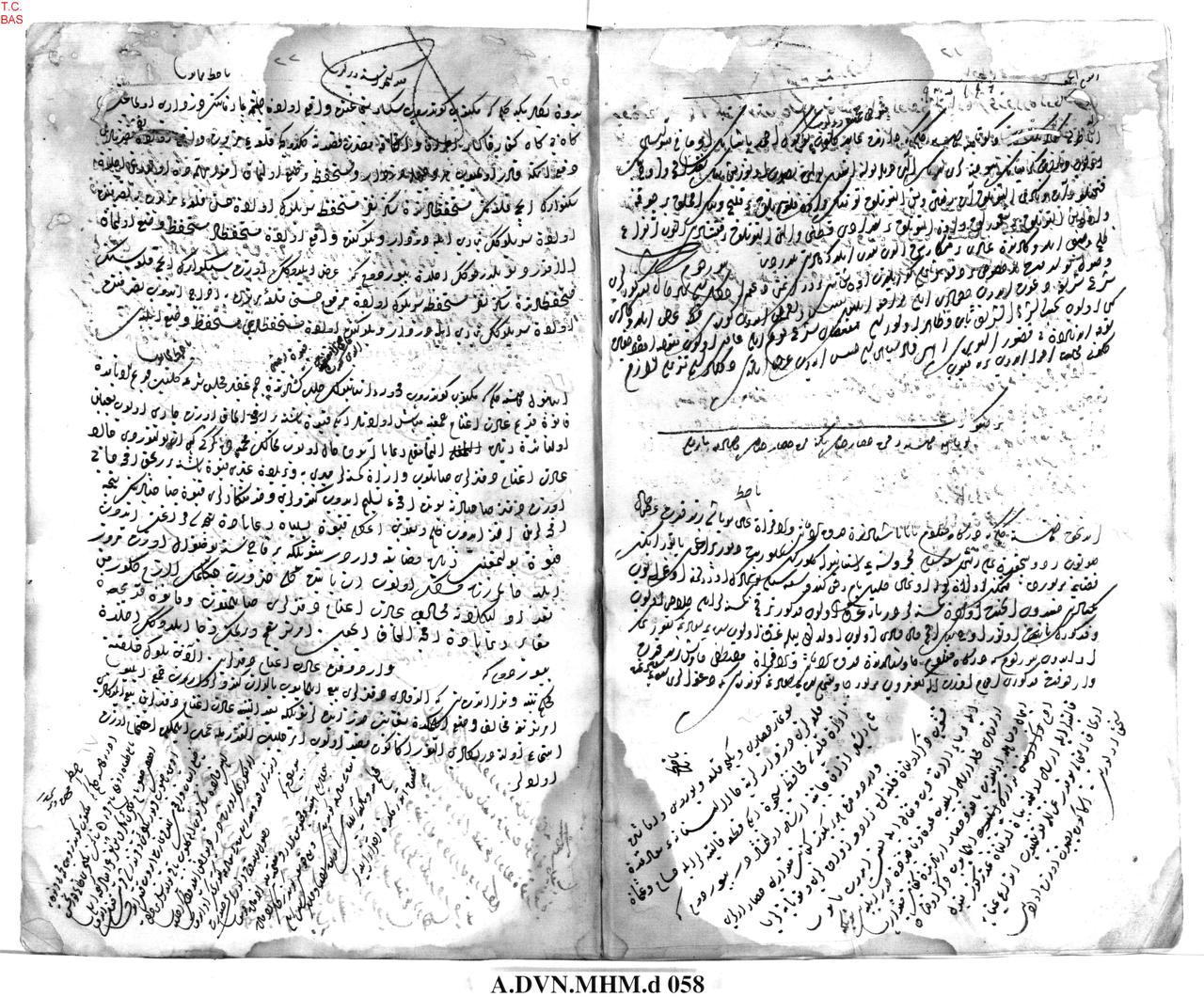
Source Image: BOA, A.DVN.MHM.d, nr. 58
The Mühimme Defterleri provide unique insights into Ottoman administration, social structure, and international relations. The principal topics recorded in these registers include:
From the 18th century onward, it became evident that financial affairs gradually shifted from the Divan-ı Hümâyûn to the Bâb-ı Âlî, and the influence of the Sublime Porte in governance increased. During this period, imperial firmans were increasingly replaced by buyruldular, and a new type of register, known as Ayniyat Defterleri, began to be maintained. Nevertheless, the Divan scribes continued to keep the Mühimme Defterleri until the final years of the Ottoman State, and the recording process remained consistent with the traditional system.
