


This article was automatically translated from the original Turkish version.
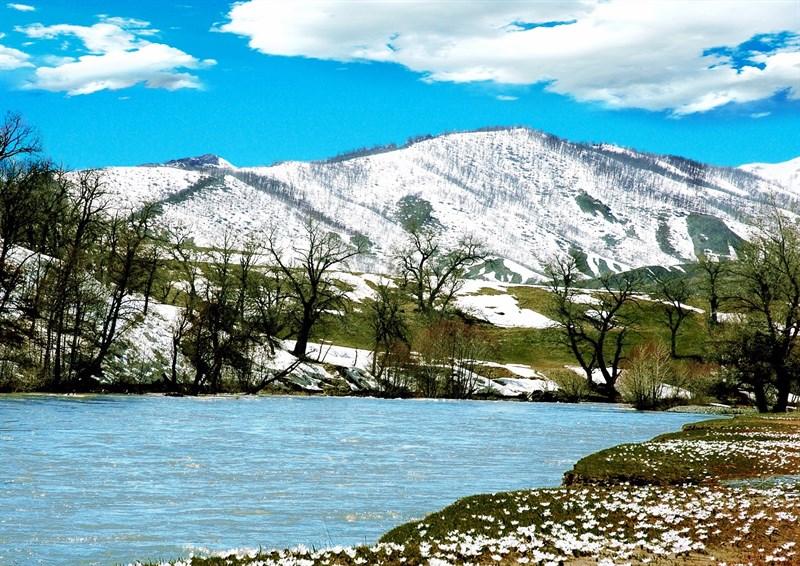
Munzur Valley National Park
Province(s) | Türkiye Tunceli | ||||||||
|---|---|---|---|---|---|---|---|---|---|
Announcement Year | 1971 | ||||||||
Area(s) | Approximately 42 000 hectares | ||||||||
Key Features | Endemic plant species, wildlife, Munzur Gorges | ||||||||
Managing Organization | Ministry of Agriculture and Forestry - DKMP | ||||||||
Located within the boundaries of Tunceli Province in Türkiye, the Munzur Valley National Park is a significant conservation area stretching primarily between the Ovacık and central districts. Established as a national park in 1971, it is among Türkiye’s largest national parks by area and is also notable for its rich biological diversity and cultural fabric. Munzur Valley National Park ranks among Türkiye’s leading national parks for both the protection of natural resources and sustainable tourism.
Munzur Valley National Park has developed around the Munzur River, a major tributary of the Euphrates River. Covering approximately 42,000 hectares, the park is distinguished by its mountainous and rugged terrain, abundant water sources, and deep valleys. To the northeast lie the Munzur Mountains, while the Mercan Mountains are situated to the southeast. Elevations within the park range from 1,000 to 3,300 meters above sea level, making it one of Türkiye’s high-altitude ecosystems.
Munzur Valley National Park is one of Türkiye’s most botanically rich areas, particularly for endemic and rare plant species. Floristic studies in the region have identified approximately 1,500 plant species within the park, of which 43 are found exclusively in the Munzur Valley. Among the rare species present are the endemic Munzur milkvetch (Astragalus munzurensis) and the Munzur snowdrop (Galanthus woronowii).

A Plant from Munzur Valley (Tunceli Governorship)
The park is also notable for its rich wildlife. Mammals such as brown bear, lynx, wild goat, otter, fox, and wolf inhabit the valley, alongside numerous bird species. Reptiles and amphibians are also frequently encountered. The red-spotted trout (Salmo trutta), which naturally occurs in the Munzur River, is one of the region’s key natural assets.

A Species of Butterfly in Munzur Valley (AA)

View of Wild Goats on the Mountain (Tunceli Governorate)
Munzur Valley National Park holds both ecological and economic importance due to its water resources. The Munzur Springs within the park serve as a source of drinking water and are also a cultural destination. The General Directorate of Nature Conservation and National Parks under the Ministry of Agriculture and Forestry manages conservation, monitoring, and visitor management activities in the area. Additionally, ongoing efforts include monitoring biodiversity, habitat restoration, and public awareness campaigns.

A Winter View of Munzur Valley ((Tunceli Governorate))
Munzur Valley is prominent not only for its natural features but also for its cultural and spiritual significance. Oral traditions such as the Munzur legend have played a key role in shaping the valley’s identity. The Munzur Springs are regarded as sacred by the local population and attract large numbers of visitors, especially during the summer months.
The park is located approximately 8 kilometers from the city center of Tunceli. It offers visitors a range of experiences through natural walking trails, camping areas, observation points, and ecotourism activities. Summer months see high demand for nature tourism, with activities such as photography, hiking, and flora and fauna observation being particularly popular.
Munzur Valley Introduction (Demirören News Agency)
Accessed November 26, 2025.
Anadolu Ajansı. “Munzur Vadisi Millî Parkı kelebeklerle renklendi.” Accessed June 6, 2025. https://www.aa.com.tr/tr/pg/foto-galeri/munzur-vadisi-milli-parki-kelebeklerle-renklendi/0
Demirören Haber Ajansı YouTube Kanalı. Accessed June 6, 2025.
Demirören Haber Ajansı. "Munzur Vadisi Millî Parkı'na 2 milyon ziyaretçi."
Ovacık Kaymakamlığı. "Munzur Vadisi Millî Parkı." Accessed June 6, 2025. http://tunceliovacik.gov.tr/munzur-vadisi-milli-parki
T.C. Kültür ve Turizm Bakanlığı Tunceli İl Kültür ve Turizm Müdürlüğü. "Millî Parklar ve Korunan Alanlar." tunceli.ktb.gov.tr. Accessed June 6, 2025.
T.C. Kültür ve Turizm Bakanlığı Tunceli İl Kültür ve Turizm Müdürlüğü. "Munzur Vadisi Millî Parkı." tunceli.ktb.gov.tr. Accessed June 6, 2025.
T.C. Tarım ve Orman Bakanlığı 15. Bölge Müdürlüğü. "Munzur Vadisi Millî Parkı." bolge15.tarimorman.gov.tr. Accessed June 6, 2025.

Munzur Valley National Park
Province(s) | Türkiye Tunceli | ||||||||
|---|---|---|---|---|---|---|---|---|---|
Announcement Year | 1971 | ||||||||
Area(s) | Approximately 42 000 hectares | ||||||||
Key Features | Endemic plant species, wildlife, Munzur Gorges | ||||||||
Managing Organization | Ministry of Agriculture and Forestry - DKMP | ||||||||
No Discussion Added Yet
Start discussion for "Munzur Valley National Park" article
Geographical Location and General Features
Biodiversity
Flora
Fauna
Ecosystem Services and Conservation Efforts
Cultural and Spiritual Value
Tourism and Access