
This article was automatically translated from the original Turkish version.
+1 More
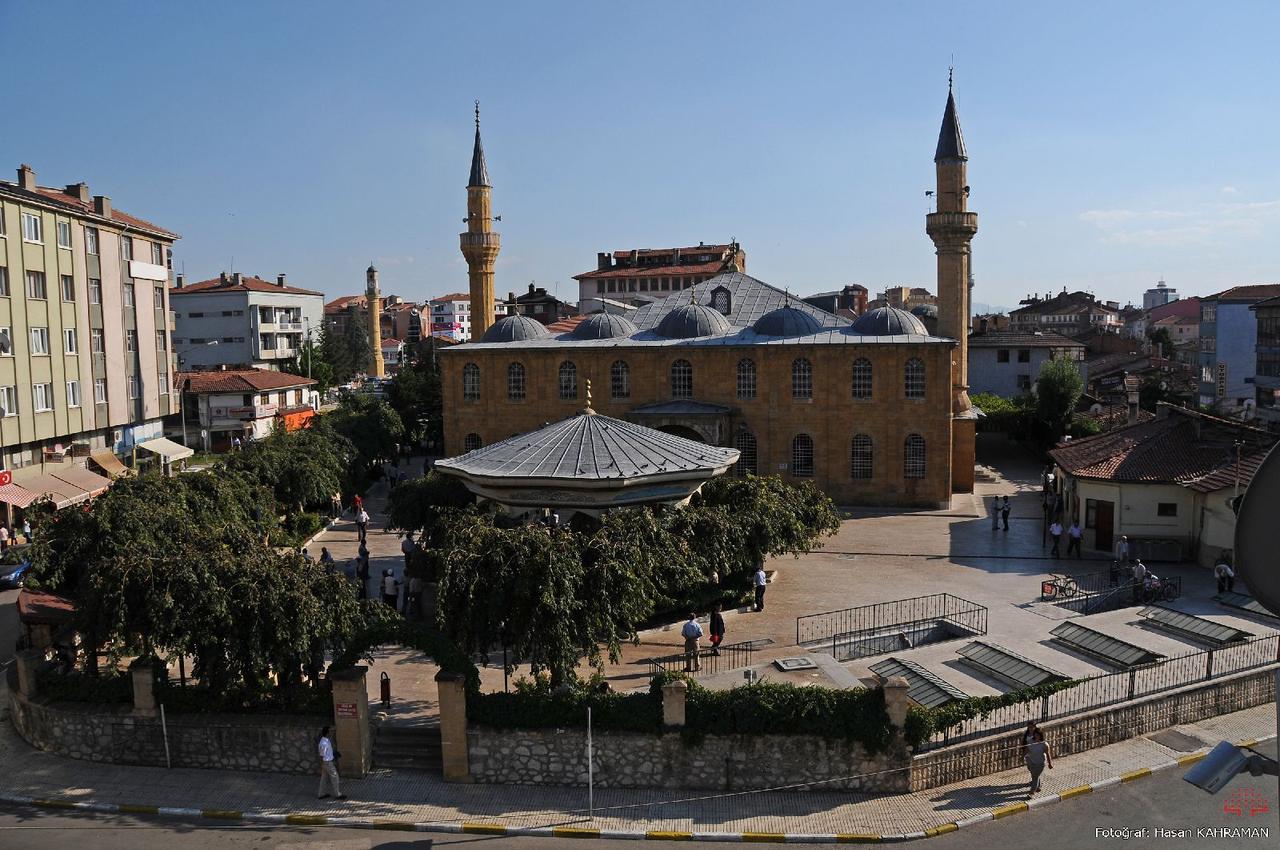
Murad-ı Rabi Ulu Camii is a place of worship from the Ottoman period located in the city center of Çorum. It is regarded as an important structure in terms of the city’s architectural heritage and religious life. The mosque has historical functions both for worship and for social services.
The mosque is situated in the heart of Çorum, at the intersection of the city’s main transportation and settlement axes. Surrounding areas were centers of social and commercial activity during its time, enhancing the mosque’s significance in the daily life of the city.
The construction of Murad-ı Rabi Ulu Camii dates back to the reign of Sultan Murad-ı Rabi of the Ottoman Empire. Historical documents confirm that it was built in the 16th century. Its foundation was established under the waqf system, through which social, educational, and economic activities associated with the mosque were carried out. Over the centuries, the building has been maintained through various restoration and repair efforts, and its original architectural features have been largely preserved.
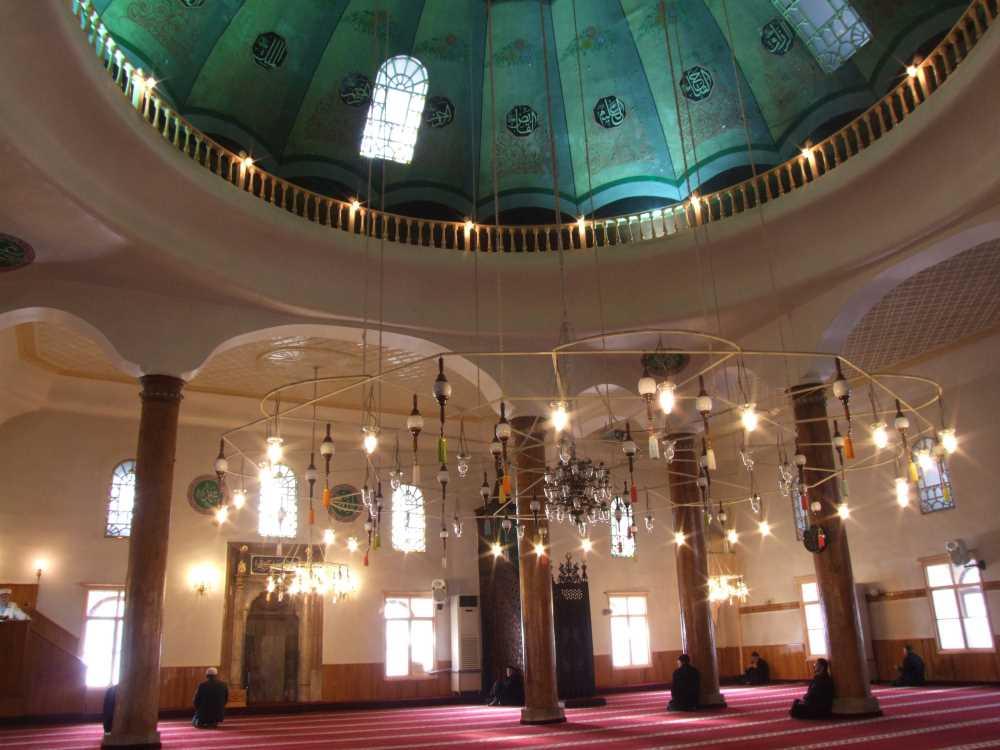
Image of the Interior of Murad-ı Rabi Ulu Camii ()
The mosque features a square-plan main prayer hall and is distinguished by its tall minaret. The interior space reflects the classical Ottoman style through stone and wood craftsmanship. The dome system, mihrab, and minbar details exemplify the aesthetic sensibilities and technical capabilities of the period. The courtyard is spacious, providing a suitable area for congregational gatherings and social interaction.
Waqf records associated with the mosque reveal its role in the social and economic life of the community. The waqfs supported educational services, healthcare, and social assistance initiatives alongside the mosque. This demonstrates that Murad-ı Rabi Ulu Camii was not merely a religious structure but also a central social hub.
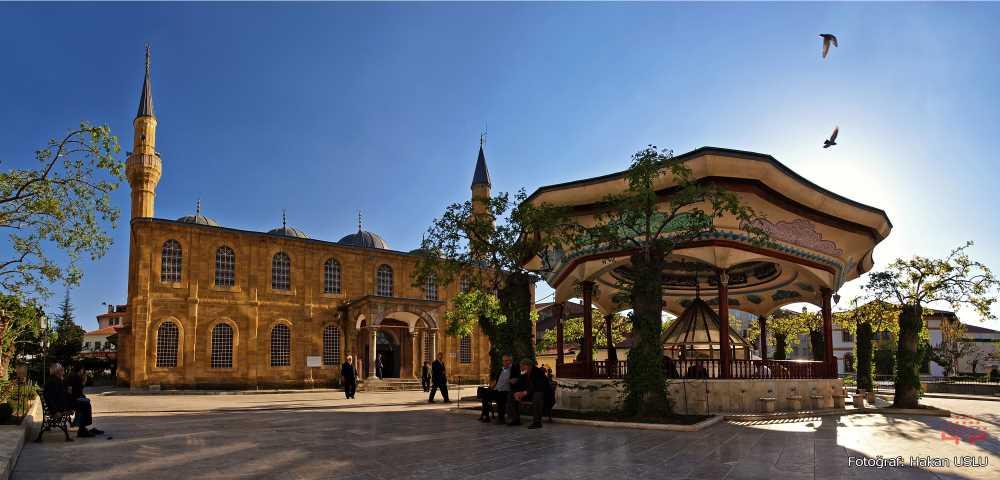
Image of the Plaza Area of Murad-ı Rabi Ulu Camii ()
Murad-ı Rabi Ulu Camii is one of Çorum’s most important historical structures in terms of Ottoman architecture and religious culture. It has played a central role in preserving the city’s historical fabric and meeting the religious and social needs of the local population. For visitors, it serves both as a place of worship and as a site of historical education.
Various restoration works have been carried out on the mosque over time, with careful attention paid to preserving its original architectural elements. Conservation efforts aim to ensure the sustainability of both the historical integrity and the religious function of the building.

No Discussion Added Yet
Start discussion for "Murad-ı Rabi Ulu Camii" article
Location and Environment
History
Architectural Features
Waqfs and Social Functions
Cultural and Historical Significance
Restoration and Conservation